Kids on the Go Act of 2025
Summary
What This Bill Does
The Kids on the Go Act changes a funding match rule for Safe Routes to School projects. Current law requires each state to have a safe routes to school coordinator. The bill adds that if a state employs such a coordinator, the federal share for any project or activity eligible under the Safe Routes to School section is 95 percent, notwithstanding any other title 23 rule. That means states with coordinators can use a much smaller non-federal match for eligible walking, biking, school-route safety, planning, education, or infrastructure activities. The practical incentive is to keep a state coordinator in place and make it easier for state or local sponsors to move safe-routes projects forward with federal funds covering nearly all eligible costs.
Who Benefits and How
State transportation agencies benefit from a 95 percent federal share for eligible Safe Routes to School projects when they employ a coordinator. Local school districts benefit if a smaller non-federal match makes sidewalk, crossing, traffic-calming, or route-safety projects easier to fund. Students walking to school benefit from projects that can improve safe routes near schools. Parents of schoolchildren benefit if safer walking or biking routes reduce transportation risk.
Who Bears the Burden and How
States without coordinators must employ one to unlock the 95 percent federal share. Federal taxpayers bear a larger share of project costs when the higher match applies. State safe routes coordinators must support project coordination that justifies the enhanced federal share. FHWA grant staff must administer the match rule across eligible projects and activities.
Key Provisions
- Provides a 95 percent federal share for Safe Routes to School projects when a state employs a coordinator.
- Applies the enhanced share notwithstanding other title 23 matching rules.
- Strengthens the incentive for states to maintain Safe Routes to School coordinators.
- Reduces the non-federal match burden for eligible school-route safety projects.
Evidence Chain:
This summary is generated from the full bill text using AI analysis. Expand "Detailed Analysis" below for identified beneficiaries/burden bearers.
At a Glance
What This Bill Does
Amends the Safe Routes to School coordinator provision in title 23 so that when a state employs the required coordinator, the federal share for Safe Routes to School projects or activities rises to 95 percent regardless of other title 23 matching rules.
Key Policy Areas
Transportation, School Safety, Federal Grants
Primary Purpose
Amends the Safe Routes to School coordinator provision in title 23 so that when a state employs the required coordinator, the federal share for Safe Routes to School projects or activities rises to 95 percent regardless of other title 23 matching rules.
Policy Domains
Resolution provisions
Identified Gains
Contextual inference, no direct clause citation- State transportation agencies
- Local school districts
- Students walking to school
- Parents of schoolchildren
Contextual inference, no direct clause citation
Identified Costs
Contextual inference, no direct clause citation- States without coordinators
- Federal taxpayers
- State safe routes coordinators
- FHWA grant staff
Contextual inference, no direct clause citation
Sponsors

Legislative Progress
In CommitteeReferred to the Subcommittee on Highways and Transit.
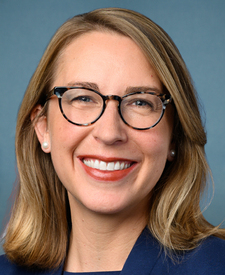
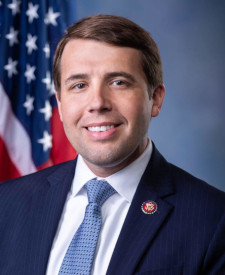
Ms. Scholten (for herself and Mr. Bresnahan) introduced the following …
Referred to the House Committee on Transportation and Infrastructure.
Introduced in House
Bill Structure & Actor Mappings
Who is "The Secretary" in each section?
We use a combination of our own taxonomy and classification in addition to large language models to assess meaning and potential beneficiaries. High confidence means strong textual evidence. Always verify with the original bill text.
Learn more about our methodology