STOP CSAM Act of 2025
Summary
What This Bill Does
The STOP CSAM Act is a major child-exploitation enforcement and victim-remedies bill. It updates federal court protections for child victims and witnesses by adding kidnapping, international parental kidnapping, psychological abuse, exploitation, child pornography, child sex trafficking, obscene child depictions, multidisciplinary child-abuse teams, and protected information for people who were under 18 when the crime occurred. It adjusts restitution statutes, including child pornography production rules and victim-loss calculations. The bill rewrites CyberTipline duties so providers with actual knowledge of apparent child pornography or listed exploitation offenses must report to NCMEC as soon as reasonably possible and no later than 60 days, include provider contact information and available account, IP, port, minor-identifying, and content information, and take reasonable measures when a report comes from a user or parent complaint. It creates a new section 2260B making it unlawful for interactive computer services to intentionally host or store child pornography, make it available, or knowingly promote or facilitate listed exploitation offenses, with fines up to $1 million or $5 million when serious injury risk or direct harm is involved. Civil remedies expand under section 2255 and a new section 2255A. Victims may sue providers or app stores that intentionally, knowingly, or recklessly promote, aid, host, store, or make available covered exploitation material or violations, recover actual damages or $300,000 liquidated damages plus fees and costs, seek punitive, preliminary, equitable, and injunctive relief, and file without a statute of limitations. The bill preserves other federal, state, and Tribal remedies that are at least as protective.
Who Benefits and How
Child exploitation survivors benefit from broader civil causes of action, $300,000 liquidated damages, no filing deadline for new section 2255A claims, and preserved state or Tribal remedies. Child victims in federal court benefit from expanded protected information and updated definitions covering psychological abuse, exploitation, kidnapping, and international parental kidnapping. NCMEC CyberTipline staff benefit from more complete provider reports and a 60-day reporting deadline. Federal prosecutors benefit from clearer criminal liability for providers that intentionally host child pornography or knowingly facilitate covered exploitation offenses. Parents reporting abuse to platforms benefit because providers must take reasonable measures to determine what account information belongs in CyberTipline reports.
Who Bears the Burden and How
Interactive computer services face criminal fines up to $1 million or $5 million for covered hosting, storage, availability, promotion, or facilitation offenses. App stores face expanded civil exposure when they intentionally, knowingly, or recklessly promote or aid covered exploitation violations. Online service providers must collect and submit more detailed CyberTipline reports within 60 days of actual knowledge. Federal courts must handle expanded restitution, privacy, civil-action, venue, service, damages, and injunction rules. Defendants in exploitation cases face broader restitution and civil-liability exposure.
Key Provisions
- Expands federal court protections for child victims and witnesses, including protected information and psychological-abuse definitions.
- Revises restitution statutes for child pornography production and related victim losses.
- Requires providers to report apparent child pornography or listed exploitation offenses to the CyberTipline within 60 days.
- Creates criminal fines for interactive computer services that intentionally host child pornography or knowingly facilitate covered offenses.
- Expands civil remedies against providers and app stores for promotion, aiding, hosting, storage, or availability of exploitation material.
- Provides actual damages or $300,000 liquidated damages, fees, costs, punitive damages, injunctions, and no filing deadline for new claims.
- Preserves federal, state, and Tribal remedies that protect child exploitation victims.
Evidence Chain:
This summary is generated from the full bill text using AI analysis. Expand "Detailed Analysis" below for identified beneficiaries/burden bearers with clause-level evidence links.
At a Glance
What This Bill Does
Expands federal protections and remedies for child sexual abuse material and child exploitation victims by broadening child-victim definitions, protecting covered-person information in court, revising restitution rules, strengthening CyberTipline reporting duties, creating criminal fines for interactive computer services that intentionally host child pornography or knowingly facilitate covered exploitation offenses, expanding civil causes of action against providers and app stores, setting $300,000 liquidated damages for certain claims, eliminating filing deadlines for those claims, and preserving federal, state, and Tribal remedies.
Key Policy Areas
Child Protection, Online Safety, Criminal Justice
Primary Purpose
Expands federal protections and remedies for child sexual abuse material and child exploitation victims by broadening child-victim definitions, protecting covered-person information in court, revising restitution rules, strengthening CyberTipline reporting duties, creating criminal fines for interactive computer services that intentionally host child pornography or knowingly facilitate covered exploitation offenses, expanding civil causes of action against providers and app stores, setting $300,000 liquidated damages for certain claims, eliminating filing deadlines for those claims, and preserving federal, state, and Tribal remedies.
Policy Domains
Resolution provisions
Identified Gains
- Child exploitation survivors
- Child victims in federal court
- NCMEC CyberTipline staff
- Federal prosecutors
- Parents reporting abuse
Identified Costs
- Interactive computer services
- App stores
- Online service providers
- Federal courts
- Exploitation case defendants
Sponsors


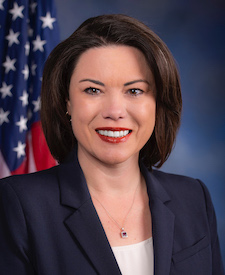
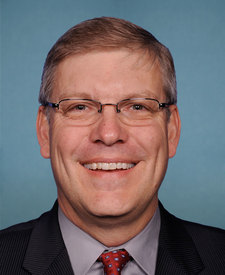

Legislative Progress
In CommitteeMr. Moore of Alabama (for himself and Ms. Garcia of …
Referred to the House Committee on the Judiciary.
Introduced in House
Stakeholder Effects
cui bono?How this legislation distributes effects. Mention counts reflect frequency, not effect magnitude.
App stores, Interactive computer services, Online service providers
Child exploitation survivors, Child victims in federal court
Exploitation case defendants, Federal prosecutors
Bill Structure & Actor Mappings
Who is "The Secretary" in each section?
We use a combination of our own taxonomy and classification in addition to large language models to assess meaning and potential beneficiaries. High confidence means strong textual evidence. Always verify with the original bill text.
Learn more about our methodology