PRECEPT Nurses Act
Summary
What This Bill Does
The PRECEPT Nurses Act creates a personal tax credit for clinical nursing educators in shortage areas. A licensed registered nurse or qualifying health care provider may claim a $2,000 credit if the person serves at least 200 hours during the taxable year as a nurse preceptor in a community designated as a health professional shortage area under the Public Health Service Act. IRS must publish annually on its website the areas that qualify. A nurse preceptor is someone who provides supervision, personalized experiential learning, training, instruction, and mentoring in clinical nursing practice to a nursing student, advanced practice registered nursing student, or newly hired licensed nurse within the first six months of employment. The credit is not allowed unless the preceptor receives certification showing the required hours. The certification must come from the relevant partnering academic institution for students or from the clinical site for newly hired nurses, and must state the number of hours served. The bill is designed to increase clinical precepting capacity where nursing shortages are most acute by compensating experienced nurses for time spent training the next workforce.
Who Benefits and How
Nurse preceptors benefit from a $2,000 federal income tax credit for at least 200 hours of qualifying clinical teaching. Nursing students benefit if more preceptors are willing to supervise required clinical placements in shortage areas. Newly hired licensed nurses benefit from more structured mentoring during their first six months of employment. Health professional shortage areas benefit if the credit expands local clinical training capacity. Schools of nursing benefit because preceptor shortages are a bottleneck for student placement and program growth.
Who Bears the Burden and How
IRS tax administration staff must publish annual shortage-area lists and administer the new section 25F credit. Academic nursing programs must certify preceptor hours for nursing students and advanced practice nursing students. Clinical sites must certify hours for newly hired licensed nurses. Federal taxpayers bear the cost of the tax expenditure. Preceptors below the 200-hour threshold cannot claim the credit.
Key Provisions
- Creates a $2,000 income tax credit for eligible nurse preceptors.
- Requires at least 200 hours of precepting in a health professional shortage area.
- Defines precepting to include clinical supervision and mentoring for nursing students, advanced practice nursing students, and newly hired licensed nurses.
- Requires certification from an academic institution or clinical site before the credit is allowed.
- Directs IRS to publish qualifying health professional shortage areas annually.
Evidence Chain:
This summary is generated from the full bill text using AI analysis. Expand "Detailed Analysis" below for identified beneficiaries/burden bearers with clause-level evidence links.
At a Glance
What This Bill Does
Creates a new Internal Revenue Code section 25F credit of $2,000 for eligible nurse preceptors who serve at least 200 hours in a health professional shortage area, requires annual IRS publication of qualifying shortage areas, defines nurse preceptor work as supervised clinical nursing education for nursing students, advanced practice nursing students, or newly hired licensed nurses, requires academic-institution or clinical-site certification of hours, and denies the credit without that certification.
Key Policy Areas
Tax, Nursing, Health Workforce
Primary Purpose
Creates a new Internal Revenue Code section 25F credit of $2,000 for eligible nurse preceptors who serve at least 200 hours in a health professional shortage area, requires annual IRS publication of qualifying shortage areas, defines nurse preceptor work as supervised clinical nursing education for nursing students, advanced practice nursing students, or newly hired licensed nurses, requires academic-institution or clinical-site certification of hours, and denies the credit without that certification.
Policy Domains
Resolution provisions
Identified Gains
- Nurse preceptors
- Nursing students
- Newly hired licensed nurses
- Health professional shortage areas
- Schools of nursing
Identified Costs
- IRS tax administration staff
- Academic nursing programs
- Clinical sites
- Federal taxpayers
- Preceptors below hour threshold
Sponsors
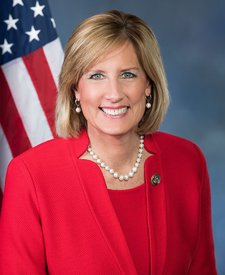
Legislative Progress
In CommitteeMrs. Kiggans of Virginia (for herself, Ms. Tenney, Mr. Joyce …
Referred to the House Committee on Ways and Means.
Introduced in House
Stakeholder Effects
cui bono?How this legislation distributes effects. Mention counts reflect frequency, not effect magnitude.
Academic nursing programs, Nursing students, Schools of nursing
Positive-direction: Nursing students, Schools of nursing
Negative-direction: Academic nursing programs
Newly hired licensed nurses, Nurse preceptors
Bill Structure & Actor Mappings
Who is "The Secretary" in each section?
We use a combination of our own taxonomy and classification in addition to large language models to assess meaning and potential beneficiaries. High confidence means strong textual evidence. Always verify with the original bill text.
Learn more about our methodology