Advanced AI Security Readiness Act
Summary
What This Bill Does
The Advanced AI Security Readiness Act gives NSA's Artificial Intelligence Security Center a formal planning assignment for protecting advanced AI from technology theft. The AI Security Playbook must identify vulnerabilities in advanced AI data centers and advanced AI developers, especially risks unique to covered AI technologies and critical components rather than conventional IT systems. It must identify components or information that would materially help a threat actor develop covered AI technologies, including AI models, key model components, core insights from training, inference, engineering, and related information. The playbook must include strategies to detect, prevent, and respond to cyber threats, assess what security levels would require substantial U.S. Government involvement in advanced AI development or oversight, and describe how the government could achieve those levels, including a hypothetical secure government environment for covered AI systems. The required analysis covers cybersecurity protocols, model-weight protection, insider-threat mitigation, personnel vetting, security-clearance adjudication, access controls, counterintelligence, anti-espionage, and other measures. The bill is about national-security readiness for frontier AI theft risks, not consumer AI regulation.
Who Benefits and How
NSA AI Security Center staff benefit from a statutory mandate to organize advanced-AI security strategy. Advanced AI developers benefit from federal threat analysis and playbook guidance on model weights, data centers, insider threats, and espionage risks. AI data center operators benefit from a focused assessment of unique physical and cyber vulnerabilities affecting covered AI technologies. National security agencies benefit from a framework for deciding when advanced AI systems need substantial government involvement or secure government environments.
Who Bears the Burden and How
The NSA Director must produce the AI Security Playbook through the Artificial Intelligence Security Center. Advanced AI developers may face more federal scrutiny if the playbook identifies security levels requiring substantial government involvement. Government security reviewers must assess personnel vetting, clearance adjudication, access controls, model-weight protection, and counterintelligence measures. Public users may receive less detail because sensitive playbook contents are likely to be protected from full public disclosure.
Key Provisions
- Directs NSA to develop an AI Security Playbook through the Artificial Intelligence Security Center.
- Requires identification of vulnerabilities in advanced AI data centers and developers.
- Requires analysis of model, training, inference, engineering, and component information useful to threat actors.
- Requires strategies to detect, prevent, and respond to cyber threats targeting covered AI technologies.
- Requires analysis of security levels that may need substantial U.S. Government involvement.
- Requires consideration of model-weight protection, insider-threat controls, vetting, clearances, access controls, and counterintelligence.
Evidence Chain:
This summary is generated from the full bill text using AI analysis. Expand "Detailed Analysis" below for identified beneficiaries/burden bearers with clause-level evidence links.
At a Glance
What This Bill Does
Directs the NSA Director, through the Artificial Intelligence Security Center, to develop an AI Security Playbook for defending covered advanced AI technologies from threat-actor theft, including vulnerabilities in AI data centers and developers, sensitive model and training information, detection and response strategies, potential government involvement for highly secure systems, model-weight protections, insider-threat controls, counterintelligence measures, and limits on public disclosure of sensitive playbook contents.
Key Policy Areas
Artificial Intelligence, Cybersecurity, National Security
Primary Purpose
Directs the NSA Director, through the Artificial Intelligence Security Center, to develop an AI Security Playbook for defending covered advanced AI technologies from threat-actor theft, including vulnerabilities in AI data centers and developers, sensitive model and training information, detection and response strategies, potential government involvement for highly secure systems, model-weight protections, insider-threat controls, counterintelligence measures, and limits on public disclosure of sensitive playbook contents.
Policy Domains
Resolution provisions
Identified Gains
- NSA AI Security Center staff
- Advanced AI developers
- AI data center operators
- National security agencies
Identified Costs
- NSA Director
- Advanced AI developers under review
- Government security reviewers
- Public users
Sponsors


Legislative Progress
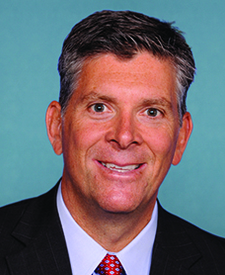
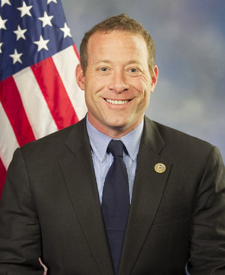
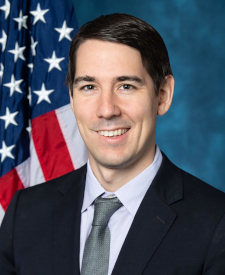
In CommitteeMr. LaHood (for himself, Mr. Moolenaar, Mr. Gottheimer, and Mr. …
Referred to the House Committee on Intelligence (Permanent Select).
Introduced in House
Stakeholder Effects
cui bono?How this legislation distributes effects. Mention counts reflect frequency, not effect magnitude.
NSA AI Security Center staff, National security agencies
Advanced AI developers, Advanced AI developers under review
Positive-direction: Advanced AI developers
Negative-direction: Advanced AI developers under review
Bill Structure & Actor Mappings
Who is "The Secretary" in each section?
We use a combination of our own taxonomy and classification in addition to large language models to assess meaning and potential beneficiaries. High confidence means strong textual evidence. Always verify with the original bill text.
Learn more about our methodology