PERMIT Act
Summary
What This Bill Does
The PERMIT Act rewrites multiple Clean Water Act procedures that affect infrastructure, energy, agriculture, wastewater, wetlands, and industrial discharge permitting. It requires states and EPA to consider cost and commercial availability of treatment technologies when reviewing water quality standards, setting water quality criteria, or determining technology-based effluent limits. New or revised water quality criteria would have to be issued by rule and become subject to direct judicial review. Section 401 water-quality certification is narrowed to compliance with specified Clean Water Act provisions, requires states or EPA to publish certification requirements, requires written reasons for grants or denials, and sets completeness and timing rules intended to prevent certification from delaying federal permits.
The bill also changes NPDES and section 404 permitting. EPA may issue general permits on a state, regional, nationwide, or delineated-area basis, and expired general permits can keep applying if EPA does not provide timely notice that it will not reissue a similar permit. NPDES permit terms are extended from five to ten years. Pesticide applications authorized under FIFRA generally would not need Clean Water Act permits unless the pesticide use violates water-quality-related FIFRA provisions or falls into listed exceptions. Section 404 provisions limit EPA veto timing, extend general permits to ten years, treat less-than-three-acre dredged or fill discharges as minimal adverse effects, maintain nationwide permits for linear infrastructure and pipeline projects, set 45-day information-request deadlines for state program submissions, and create 60-day judicial-review windows with comment-preservation requirements.
The bill narrows federal water jurisdiction by excluding waste treatment systems, ephemeral features, prior converted cropland, groundwater, and other EPA/Army Corps excluded features from the definition of navigable waters. It raises certain Spill Prevention, Control, and Countermeasure thresholds, encourages state participation in FAST Act permitting coordination, requires EPA to review and streamline regulations for state section 404 program approval, directs the Army Corps to reduce section 404 permit and jurisdictional-determination backlogs, and states that the Chesapeake Bay Watershed Agreement is voluntary and cooperative.
Who Benefits and How
Municipal wastewater utilities benefit because water-quality standards for combined sewer overflow receiving waters must consider cost-effective controls and commercially available technology. Industrial dischargers, NPDES permit holders, section 404 permit applicants, mining companies with wetland permits, oil and gas pipeline operators, electric transmission companies, construction firms, real estate developers, pesticide applicators, agricultural producers, mosquito control districts, states seeking section 404 program authority, small oil storage facilities, and infrastructure project sponsors benefit from longer permit terms, narrower review windows, more predictable certification rules, fewer pesticide-discharge permits, WOTUS exclusions, and limits on late EPA vetoes or litigation.
Who Bears the Burden and How
EPA, the Army Corps of Engineers, state environmental agencies, water-quality scientists, wetlands program staff, environmental organizations, wetland conservation groups, communities relying on receiving waters, citizens challenging permits, Chesapeake Bay restoration advocates, and aquatic ecosystem protection interests must comply with tighter rulemaking, certification, review, and litigation rules. These actors can lose discretion because agencies must consider treatment cost and availability, issue criteria by rule, act within strict windows, preserve expired permit terms, limit the scope of section 401 decisions, face shorter judicial-review deadlines, and accept statutory exclusions from navigable waters.
Key Provisions
- Requires water-quality standards and criteria to consider cost and commercial availability of treatment technologies.
- Requires new or revised water-quality criteria to be issued by rule and made subject to direct judicial review.
- Restricts section 401 certification decisions to specified Clean Water Act compliance questions and imposes completeness, timing, and written-reason requirements.
- Authorizes broader general permits and extends NPDES permit terms from five years to ten years.
- Exempts many FIFRA-authorized pesticide applications from separate Clean Water Act discharge permits.
- Limits EPA section 404 veto timing and extends section 404 general permits to ten years.
- Provides nationwide permitting rules for certain linear infrastructure and pipeline projects.
- Requires 60-day judicial-review windows and comment-preservation rules for section 404 challenges.
- Excludes waste treatment systems, ephemeral features, prior converted cropland, groundwater, and certain other features from navigable waters.
- Raises SPCC threshold amounts and directs EPA and the Army Corps to streamline state program approvals and permit backlogs.
Evidence Chain:
This summary is generated from the full bill text using AI analysis. Expand "Detailed Analysis" below for identified beneficiaries/burden bearers with clause-level evidence links.
At a Glance
What This Bill Does
Makes broad Clean Water Act permitting and jurisdiction reforms through the PERMIT Act, including treatment-technology considerations, rulemaking for water-quality criteria, narrower section 401 certification review, longer NPDES and section 404 permit terms, pesticide-discharge relief, section 404 judicial-review limits, WOTUS exclusions, and state-program streamlining.
Key Policy Areas
Water Infrastructure, Environmental Regulation, Infrastructure Permitting, Agriculture
Primary Purpose
Makes broad Clean Water Act permitting and jurisdiction reforms through the PERMIT Act, including treatment-technology considerations, rulemaking for water-quality criteria, narrower section 401 certification review, longer NPDES and section 404 permit terms, pesticide-discharge relief, section 404 judicial-review limits, WOTUS exclusions, and state-program streamlining.
Policy Domains
Substantive provisions
Identified Gains
- Municipal wastewater utilities
- Industrial dischargers
- NPDES permit holders
- Section 404 permit applicants
- Mining companies with wetland permits
- Oil and gas pipeline operators
- Electric transmission companies
- Construction firms
- Real estate developers
- Pesticide applicators
- Agricultural producers
- Mosquito control districts
- States seeking section 404 program authority
- Small oil storage facilities
- Infrastructure project sponsors
Identified Costs
- Environmental Protection Agency
- Army Corps of Engineers
- State environmental agencies
- Water-quality scientists
- Wetlands program staff
- Environmental organizations
- Wetland conservation groups
- Communities relying on receiving waters
- Citizens challenging permits
- Chesapeake Bay restoration advocates
- Aquatic ecosystem protection interests
Sponsors
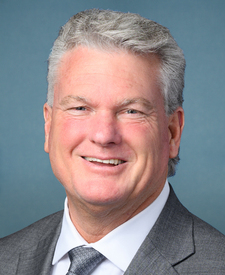
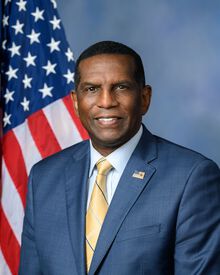

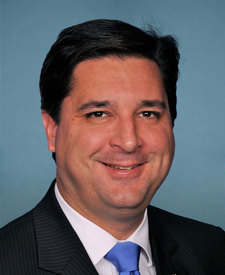
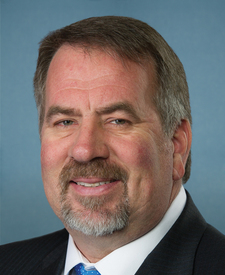
Legislative Progress
Passed HouseReceived; read twice and referred to the Committee on Environment …
Passed House (inferred from eh version)
Received in the Senate and Read twice and referred to …
Motion to reconsider laid on the table Agreed to without …
On passage Passed by the Yeas and Nays: 221 - …
Passed/agreed to in House: On passage Passed by the Yeas …
On motion to recommit Failed by the Yeas and Nays: …
The previous question on the motion to recommit was ordered …
Ms. McDonald Rivet moved to recommit to the Committee on …
Considered as unfinished business. (consideration: CR H5793-5794)
Stakeholder Effects
cui bono?How this legislation distributes effects. Mention counts reflect frequency, not effect magnitude.
Army Corps of Engineers, Chesapeake Bay watershed states, Cities with combined sewer systems
EPA and Army Corps, State environmental agencies face effects in multiple directions
Positive-direction: Army Corps of Engineers, Chesapeake Bay watershed states, Cities with combined sewer systems, International Boundary and Water Commission, Mosquito control districts, State environmental agencies (MI, NJ, FL), States seeking Section 404 program approval, States with groundwater depletion issues
Negative-direction: EPA, EPA Administrator, EPA and Army Corps of Engineers
Construction and infrastructure developers, Developers on ephemeral stream sites, Developers seeking wetland permits
Aquatic ecosystems and water quality, Environmental advocates, Environmental conservation groups
Positive-direction: Mitigation banking companies
Negative-direction: Aquatic ecosystems and water quality, Environmental advocates, Environmental conservation groups, Environmental organizations, Environmental technology providers, Wetland conservation groups, Wetland ecosystems and conservation, Wetlands and waterways
Agricultural irrigators dependent on groundwater, Agricultural operations, Agricultural operations on converted cropland
Agricultural operations on prior converted cropland faces effects in multiple directions
Industrial dischargers, Industrial facilities with treatment ponds, Industrial facilities with wastewater treatment
Natural gas pipeline developers, Oil and gas companies on federal lands, Oil and gas pipeline operators
Developers in areas with ephemeral streams, Developers in states with approved programs, Project proponents seeking Section 404 permits
Electric utilities and transmission companies, Groundwater users, Hydroelectric operators
On Passage
PERMIT Act
On Motion to Recommit
PERMIT Act
Bill Structure & Actor Mappings
Who is "The Secretary" in each section?
- "corps"
- → Army Corps of Engineers
- "secretary"
- → Secretary of the Army
- "administrator"
- → Environmental Protection Agency Administrator
We use a combination of our own taxonomy and classification in addition to large language models to assess meaning and potential beneficiaries. High confidence means strong textual evidence. Always verify with the original bill text.
Learn more about our methodology