Resident Physician Shortage Reduction Act of 2025
Summary
What This Bill Does
The Resident Physician Shortage Reduction Act increases Medicare-supported graduate medical education slots and adds rural pipeline support. For fiscal years 2026 through 2032, CMS would distribute 2,000 additional residency positions per year, with one-third reserved for hospitals described in the bill and applications handled in seven separate annual rounds. Hospitals receiving positions get increases to their direct graduate medical education and indirect medical education resident limits for cost-reporting periods beginning on or after July 1 of the fiscal year. GAO must study strategies to increase health-professional workforce diversity, including rural, lower-income, and underrepresented-minority communities, and report to Congress within two years. The bill also adds a rural residency planning and development program under the Public Health Service Act. HRSA could award three-year grants, fully funded at award, to public, private, nonprofit, for-profit, Tribal, faith-based, community-based, rural hospital, rural clinic, Indian health, GME consortium, medical school, osteopathic school, HBCU, or other eligible entities to create rural residency programs or rural training sites. Eligible rural residency programs must train residents in rural areas for more than 50 percent of residency time and focus on physicians who will practice in rural areas, with pathways for primary care and high-need specialties.
Who Benefits and How
Teaching hospitals benefit from new Medicare-funded residency cap increases across seven fiscal-year application rounds. Rural hospitals benefit from both potential new GME slots and three-year HRSA planning grants for rural residency programs. Medical residents benefit from additional training positions and rural training pathways. Rural patients benefit if more physicians train in rural areas and remain in rural practice. Medical schools serving underrepresented communities benefit from grant eligibility through GME consortium and HBCU pathways.
Who Bears the Burden and How
CMS GME staff must run seven distribution rounds, calculate added resident limits, and notify hospitals by January 1 of each fiscal year. HRSA rural residency staff must administer planning, development, and technical-assistance grants. GAO workforce analysts must study diversity strategies and report recommendations to Congress within two years. Federal taxpayers bear the cost of additional Medicare GME payments and rural residency grants. Hospitals not selected for additional positions remain constrained by existing resident caps.
Key Provisions
- Expands Medicare GME by 2,000 residency positions per year from fiscal years 2026 through 2032.
- Requires seven annual application rounds and January 1 hospital notices for distributed positions.
- Reserves one-third of new positions for specified hospital categories.
- Directs GAO to study health-workforce diversity strategies for rural, lower-income, and underrepresented communities.
- Creates three-year HRSA grants for rural residency planning, development, and technical assistance.
- Requires rural residency programs to train residents in rural areas for more than 50 percent of residency time.
Evidence Chain:
This summary is generated from the full bill text using AI analysis. Expand "Detailed Analysis" below for identified beneficiaries/burden bearers with clause-level evidence links.
At a Glance
What This Bill Does
Expands Medicare graduate medical education by distributing 2,000 additional residency positions each year from fiscal years 2026 through 2032, reserves one-third for specified hospital categories, requires GAO to study health-workforce diversity strategies, and creates HRSA rural residency planning, development, and technical-assistance grants for rural training programs.
Key Policy Areas
Medicare, Health Workforce, Rural Health
Primary Purpose
Expands Medicare graduate medical education by distributing 2,000 additional residency positions each year from fiscal years 2026 through 2032, reserves one-third for specified hospital categories, requires GAO to study health-workforce diversity strategies, and creates HRSA rural residency planning, development, and technical-assistance grants for rural training programs.
Policy Domains
Resolution provisions
Identified Gains
- Teaching hospitals
- Rural hospitals
- Medical residents
- Rural patients
- Medical schools serving underrepresented communities
Identified Costs
- CMS GME staff
- HRSA rural residency staff
- GAO workforce analysts
- Federal taxpayers
- Unselected hospitals
Sponsors
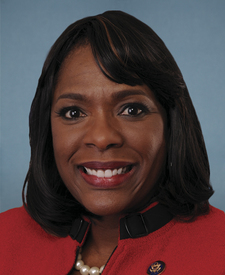

Legislative Progress
In CommitteeMs. Sewell (for herself and Mr. Fitzpatrick) introduced the following …
Referred to the Committee on Energy and Commerce, and in …
Introduced in House
Stakeholder Effects
cui bono?How this legislation distributes effects. Mention counts reflect frequency, not effect magnitude.
CMS GME staff, GAO workforce analysts, HRSA rural residency staff
Teaching hospitals, Unselected hospitals
Positive-direction: Teaching hospitals
Negative-direction: Unselected hospitals
Medical schools serving underrepresented communities
Bill Structure & Actor Mappings
Who is "The Secretary" in each section?
We use a combination of our own taxonomy and classification in addition to large language models to assess meaning and potential beneficiaries. High confidence means strong textual evidence. Always verify with the original bill text.
Learn more about our methodology