Stop Dangerous Sanctuary Cities Act
Summary
What This Bill Does
The Stop Dangerous Sanctuary Cities Act combines detainer liability protection with federal funding restrictions. State and local governments and their officers that comply with DHS detainers under INA sections 236 or 287 are deemed DHS agents with DHS authority for those actions. In legal proceedings challenging seizure or detention under a DHS detainer, no liability lies against the state or political subdivision; compliant officers are deemed federal employees and law-enforcement officers acting within scope of employment, the Federal Tort Claims Act is the exclusive remedy, and the United States is substituted as defendant. The protection does not apply to knowing civil or constitutional rights violations. The bill defines sanctuary jurisdiction as a state or political subdivision with a law, policy, or practice restricting immigration-status information sharing or lawful DHS detainer or release-notification compliance, but excludes policies protecting crime victims or witnesses. It then amends the Public Works and Economic Development Act and Community Development Block Grant statutes so projects and recipients cannot be in sanctuary jurisdictions, grant funds may not assist sanctuary jurisdictions, and CDBG funds received during sanctuary status must be returned and reallocated to non-sanctuary states or local governments using allocation formulas that exclude sanctuary jurisdictions. The funding provisions take effect October 1, 2025.
Who Benefits and How
Local officers honoring DHS detainers benefit from federal-agent status and liability protection. DHS immigration enforcement benefits from stronger state and local cooperation incentives. Non-sanctuary jurisdictions benefit when returned EDA or CDBG funds are reallocated away from sanctuary jurisdictions. Crime victims and witnesses benefit from an exception preserving protective non-sharing policies.
Who Bears the Burden and How
Sanctuary jurisdictions lose eligibility for EDA and CDBG assistance and may have to return funds. State governments with sanctuary policies must return CDBG funds received during noncompliant periods. HUD and Commerce grant staff must screen recipients, recover funds, and reallocate money excluding sanctuary jurisdictions. Immigrant residents in sanctuary jurisdictions may lose federally funded economic development or community development services.
Key Provisions
- Provides federal-agent status and FTCA substitution for state and local officials complying with DHS detainers.
- Preserves liability for knowing civil or constitutional rights violations.
- Defines sanctuary jurisdictions based on immigration information-sharing and detainer compliance restrictions.
- Excludes victim and witness protective policies from the sanctuary definition.
- Bars sanctuary jurisdictions from EDA and CDBG funding.
- Requires return and reallocation of CDBG funds received during sanctuary status.
- Applies the funding restrictions beginning October 1, 2025.
Evidence Chain:
This summary is generated from the full bill text using AI analysis. Expand "Detailed Analysis" below for identified beneficiaries/burden bearers with clause-level evidence links.
At a Glance
What This Bill Does
Gives state and local officials federal-agent status, Federal Tort Claims Act substitution, and liability protection when complying with DHS immigration detainers, except for knowing civil or constitutional rights violations; defines sanctuary jurisdictions based on immigration-status information restrictions or detainer and release-notification noncompliance, with a victim-witness exception; and makes sanctuary jurisdictions ineligible for Economic Development Administration and Community Development Block Grant funds with return and reallocation rules effective October 1, 2025.
Key Policy Areas
Immigration, Federal Grants, Local Government
Primary Purpose
Gives state and local officials federal-agent status, Federal Tort Claims Act substitution, and liability protection when complying with DHS immigration detainers, except for knowing civil or constitutional rights violations; defines sanctuary jurisdictions based on immigration-status information restrictions or detainer and release-notification noncompliance, with a victim-witness exception; and makes sanctuary jurisdictions ineligible for Economic Development Administration and Community Development Block Grant funds with return and reallocation rules effective October 1, 2025.
Policy Domains
Resolution provisions
Identified Gains
- Local officers honoring DHS detainers
- DHS immigration enforcement
- Non-sanctuary jurisdictions
- Crime victims
Identified Costs
- Sanctuary jurisdictions
- State governments with sanctuary policies
- HUD grant staff
- Commerce grant staff
- Immigrant residents in sanctuary jurisdictions
Sponsors


Legislative Progress
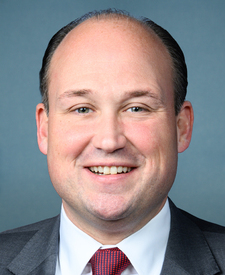
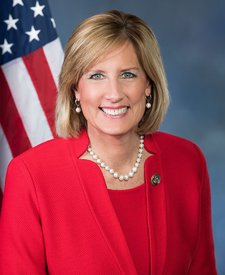
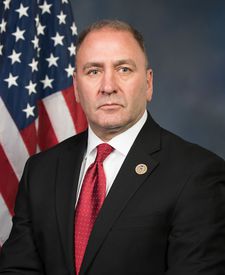
In CommitteeMr. Langworthy (for himself, Mr. Donalds, Mr. Collins, Mr. Van …
Referred to the Committee on the Judiciary, and in addition …
Introduced in House
Stakeholder Effects
cui bono?How this legislation distributes effects. Mention counts reflect frequency, not effect magnitude.
Non-sanctuary jurisdictions, Sanctuary jurisdictions, State governments with sanctuary policies
Positive-direction: Non-sanctuary jurisdictions
Negative-direction: Sanctuary jurisdictions, State governments with sanctuary policies
Bill Structure & Actor Mappings
Who is "The Secretary" in each section?
We use a combination of our own taxonomy and classification in addition to large language models to assess meaning and potential beneficiaries. High confidence means strong textual evidence. Always verify with the original bill text.
Learn more about our methodology