Enhanced Background Checks Act of 2025
Summary
What This Bill Does
The Enhanced Background Checks Act changes the Brady Act/NICS timing rules for firearm transfers by federal firearms licensees. If NICS has not told the licensee that receipt would violate federal, state, local, or Tribal law, the licensee may not proceed merely after the old short waiting period. At least 10 business days must pass after the initial NICS contact; the prospective transferee must submit an electronic or mailed petition certifying no reason to believe they are prohibited and requesting a response; then another 10 business days must pass without a prohibiting notice before the transfer can proceed. The Attorney General must prescribe the petition form, make it available electronically, give copies to licensees, provide written receipt notices to the petitioner and licensee, and respond on an expedited basis. When NICS affirmatively says a transfer is lawful after three business days, the licensee can rely on that notice for the longer of 25 additional calendar days after notice or 30 calendar days after initial contact. If a buyer meets the petition requirements before records are destroyed, reliance lasts 25 additional days. GAO must report after one, three, and five years on implementation, delays, denials by state and basis, and petitions. FBI must publish annual state-disaggregated petition reports, including ineligible petitioners found during and after the 10-day period and prosecutions after denied petitions. The Attorney General, consulting the National Resource Center on Domestic Violence and Firearms, must report within 150 days on effects on domestic-violence, dating-violence, sexual-assault, and stalking victims. DOJ Inspector General must report within 90 days on denied NICS transactions referred to ATF. The effective date is 210 days after enactment.
Who Benefits and How
Domestic violence survivors benefit from a longer review period before unresolved background checks can default to firearm transfers. Gun violence prevention organizations benefit from GAO, FBI, DOJ, and Attorney General reports on delayed checks and prohibited purchasers. NICS examiners benefit from a petition process that gives more time and notice structure for unresolved checks. State background-check agencies benefit from disaggregated denial and petition data for implementation oversight.
Who Bears the Burden and How
Federal firearms licensees must wait longer and track buyer petitions before transferring firearms after unresolved NICS checks. Prospective firearm buyers with delayed checks must submit petitions and wait an additional 10 business days. Attorney General staff must create forms, electronic access, receipt notices, and expedited petition responses. FBI NICS staff must publish annual petition and ineligibility reports. GAO and DOJ Inspector General staff must produce implementation and referral reports.
Key Provisions
- Requires at least 10 business days before an unresolved NICS check can move to buyer petition review.
- Requires prospective transferees to submit a petition certifying no known firearm prohibition.
- Requires another 10 business days after petition submission before transfer can proceed without a prohibiting notice.
- Directs the Attorney General to create forms, electronic access, receipt notices, and expedited responses.
- Provides 25-to-30-day reliance periods for NICS approvals or completed petition requirements.
- Requires GAO, FBI, Attorney General, and DOJ Inspector General reports on implementation, petitions, denials, victims, and ATF referrals.
- Sets the effective date 210 days after enactment.
Evidence Chain:
This summary is generated from the full bill text using AI analysis. Expand "Detailed Analysis" below for identified beneficiaries/burden bearers with clause-level evidence links.
At a Glance
What This Bill Does
Extends the default proceed period for firearm transfers when NICS has not completed a background check by requiring at least 10 business days, a buyer petition for review, and another 10 business days without a prohibiting notice before transfer; creates Attorney General petition forms and expedited responses; preserves approvals for 25 to 30 days; and requires GAO, FBI, Attorney General, and DOJ Inspector General reports on implementation, denials, petitions, domestic-violence safety, and ATF referrals.
Key Policy Areas
Firearms, Background Checks, Public Safety
Primary Purpose
Extends the default proceed period for firearm transfers when NICS has not completed a background check by requiring at least 10 business days, a buyer petition for review, and another 10 business days without a prohibiting notice before transfer; creates Attorney General petition forms and expedited responses; preserves approvals for 25 to 30 days; and requires GAO, FBI, Attorney General, and DOJ Inspector General reports on implementation, denials, petitions, domestic-violence safety, and ATF referrals.
Policy Domains
Resolution provisions
Identified Gains
- Domestic violence survivors
- Gun violence prevention organizations
- NICS examiners
- State background-check agencies
Identified Costs
- Federal firearms licensees
- Prospective firearm buyers
- Attorney General staff
- FBI NICS staff
- GAO staff
Sponsors

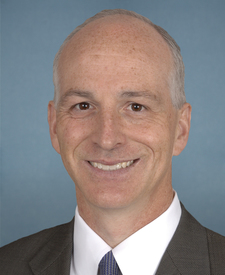


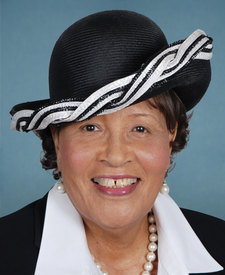
Legislative Progress
In CommitteeMr. Clyburn (for himself, Mr. Amo, Ms. Ansari, Mr. Auchincloss, …
Referred to the House Committee on the Judiciary.
Introduced in House
Stakeholder Effects
cui bono?How this legislation distributes effects. Mention counts reflect frequency, not effect magnitude.
Domestic violence survivors, Gun violence prevention organizations
Federal firearms licensees, Prospective firearm buyers
Bill Structure & Actor Mappings
Who is "The Secretary" in each section?
We use a combination of our own taxonomy and classification in addition to large language models to assess meaning and potential beneficiaries. High confidence means strong textual evidence. Always verify with the original bill text.
Learn more about our methodology