Clean Water SRF Parity Act of 2025
Summary
What This Bill Does
The Clean Water SRF Parity Act expands who can receive Clean Water State Revolving Fund assistance. It adds qualified nonprofit entities, as determined by EPA, as eligible recipients for construction, acquisition, or improvements to treatment works and other activities already eligible under section 603(c)(1) through (10) of the Federal Water Pollution Control Act. It also creates a special rule allowing SRF financial assistance to owners or operators of privately owned treatment works for improvements to existing works, construction or improvement of another privately owned treatment works, measures to reduce demand through water conservation, efficiency, or reuse, energy-consumption reductions, security improvements, and any other activity eligible under existing categories. States may not provide additional subsidization for qualified nonprofit entity assistance or for privately owned treatment works assistance. Private-treatment-works assistance is allowed only for activities that primarily and directly benefit individuals or entities served by the treatment works, not shareholders or owners, as determined by the state instrumentality administering the revolving fund.
Who Benefits and How
Qualified nonprofit water entities benefit from access to Clean Water SRF assistance for treatment works and eligible water-quality projects. Privately owned treatment works benefit from SRF financing for improvements, conservation, reuse, energy, and security projects. Customers served by private treatment works benefit because funded projects must primarily and directly benefit served users. State water finance agencies benefit from clearer authority to finance nonprofit and private wastewater projects.
Who Bears the Burden and How
EPA water infrastructure staff must determine qualified nonprofit entities and oversee expanded SRF eligibility. State SRF administrators must ensure private-treatment-works assistance benefits served users rather than shareholders or owners. Private treatment works owners cannot receive additional subsidization under the expanded authority. Qualified nonprofit entities cannot receive additional subsidization for the new assistance category.
Key Provisions
- Adds qualified nonprofit entities as eligible Clean Water SRF assistance recipients.
- Expands SRF assistance for privately owned treatment works improvements, construction, conservation, energy, reuse, and security projects.
- Prohibits additional subsidization for nonprofit and privately owned treatment works assistance.
- Requires private-treatment-works projects to primarily and directly benefit served individuals or entities.
- Requires state SRF instrumentalities to determine that assistance does not primarily benefit shareholders or owners.
Evidence Chain:
This summary is generated from the full bill text using AI analysis. Expand "Detailed Analysis" below for identified beneficiaries/burden bearers with clause-level evidence links.
At a Glance
What This Bill Does
Allows Clean Water State Revolving Fund assistance to qualified nonprofit entities for treatment works and related eligible activities, allows assistance to privately owned treatment works for improvements, new or improved treatment works, water conservation, efficiency, reuse, energy reduction, security, and other eligible projects, bars additional subsidization for nonprofit and private treatment works assistance, and requires private-treatment-works projects to primarily and directly benefit served users rather than shareholders or owners.
Key Policy Areas
Water Infrastructure, Clean Water, Nonprofits
Primary Purpose
Allows Clean Water State Revolving Fund assistance to qualified nonprofit entities for treatment works and related eligible activities, allows assistance to privately owned treatment works for improvements, new or improved treatment works, water conservation, efficiency, reuse, energy reduction, security, and other eligible projects, bars additional subsidization for nonprofit and private treatment works assistance, and requires private-treatment-works projects to primarily and directly benefit served users rather than shareholders or owners.
Policy Domains
Resolution provisions
Identified Gains
- Qualified nonprofit water entities
- Privately owned treatment works
- Customers served by private treatment works
- State water finance agencies
Identified Costs
- EPA water infrastructure staff
- State SRF administrators
- Private treatment works owners
- Qualified nonprofit entities
Sponsors
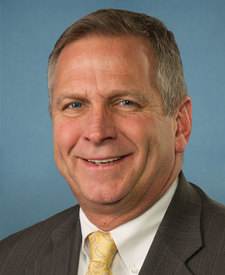
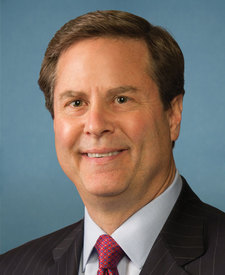


Legislative Progress
In CommitteeReferred to the Subcommittee on Water Resources and Environment.
Mr. Bost (for himself and Mr. Garamendi) introduced the following …
Referred to the House Committee on Transportation and Infrastructure.
Introduced in House
Stakeholder Effects
cui bono?How this legislation distributes effects. Mention counts reflect frequency, not effect magnitude.
Private treatment works owners, Privately owned treatment works, Qualified nonprofit water entities
Positive-direction: Privately owned treatment works, Qualified nonprofit water entities
Negative-direction: Private treatment works owners
State SRF administrators, State water finance agencies
Bill Structure & Actor Mappings
Who is "The Secretary" in each section?
We use a combination of our own taxonomy and classification in addition to large language models to assess meaning and potential beneficiaries. High confidence means strong textual evidence. Always verify with the original bill text.
Learn more about our methodology