Baseload Reliability Protection Act
Summary
What This Bill Does
The Baseload Reliability Protection Act adds a new Federal Power Act section 215B. In covered areas served by an RTO or ISO and categorized by the Electric Reliability Organization as high or elevated risk of electricity supply shortfalls, operators or owners of covered electric generating units may not retire the unit or convert its fuel source. Covered units are dispatchable units of at least 25 megawatts interconnected to the bulk-power system that do not rely primarily on intermittent renewable sources. Owners can petition FERC for an exemption within 90 days after the relevant long-term reliability assessment. FERC generally must decide within 90 days, or within 180 days for petitions based on unprofitability or sustained financial losses when retirement or conversion would affect reliability. FERC must grant exemptions if compliance would cause unprofitability, sustained financial losses, or worker or public-safety risk, or if, after RTO or ISO consultation, retirement would not hinder reliability, replacement units with comparable or greater dispatchability and peak availability will be built or acquired and placed in service, or fuel conversion would not reduce dispatchability or peak availability. DOE may use unobligated Infrastructure Investment and Jobs Act or Public Law 117-169 funds for grants or loans to keep units operating, cover prudent operating costs, upgrade capacity, uprate nuclear plants, or modernize units to extend useful life. Owners can seek appellate review within 60 days. Compliance actions are treated like compliance with section 202(c) emergency orders, and owners are excused from certain environmental-law expenditures while the retirement ban applies. The ERO must publish standardized probabilistic risk methodology and criteria within 60 days, at least as rigorous as the 2024 assessment.
Who Benefits and How
Grid reliability planners benefit from a federal backstop against dispatchable plant retirements in high-risk areas. RTO and ISO operators benefit from FERC review before covered units leave the bulk-power system. Consumers in shortfall-risk regions benefit if dispatchable generation remains available during peak demand. Owners of financially stressed plants benefit from possible DOE grants or loans for continued operation or modernization.
Who Bears the Burden and How
Plant owners in covered areas lose unilateral authority to retire or convert dispatchable units without a FERC exemption. FERC staff must adjudicate exemption petitions, reliability showings, financial-loss claims, and replacement-unit proposals. DOE loan program staff must manage grants and loans using unobligated infrastructure or energy funds. Environmental regulators may lose leverage when certain compliance expenditures are excused during the prohibition period. Renewable replacement developers face delays if retiring dispatchable plants must remain online until comparable reliability is in service.
Key Provisions
- Prohibits retirement or fuel conversion of covered dispatchable generating units in high-risk or elevated-risk areas.
- Creates FERC exemption petitions with 90-day and 180-day decision deadlines.
- Requires reliability, financial-loss, safety, replacement, and fuel-conversion findings for exemptions.
- Authorizes DOE grants and loans to keep units operating, upgrade capacity, uprate nuclear plants, or modernize facilities.
- Provides appellate review of FERC exemption decisions within 60 days.
- Excuses certain environmental compliance expenditures while a retirement or conversion prohibition applies.
- Requires the Electric Reliability Organization to publish standardized probabilistic shortfall-risk methodology within 60 days.
Evidence Chain:
This summary is generated from the full bill text using AI analysis. Expand "Detailed Analysis" below for identified beneficiaries/burden bearers with clause-level evidence links.
At a Glance
What This Bill Does
Bars owners and operators of dispatchable electric generating units of at least 25 megawatts in RTO or ISO areas categorized by the Electric Reliability Organization as high or elevated supply-shortfall risk from retiring units or converting fuel sources unless FERC grants an exemption, while creating exemption deadlines, reliability replacement rules, DOE grants and loans for continued operation or modernization, judicial review, environmental compliance relief, and a standardized reliability-risk methodology.
Key Policy Areas
Electric Grid, FERC, Energy Reliability
Primary Purpose
Bars owners and operators of dispatchable electric generating units of at least 25 megawatts in RTO or ISO areas categorized by the Electric Reliability Organization as high or elevated supply-shortfall risk from retiring units or converting fuel sources unless FERC grants an exemption, while creating exemption deadlines, reliability replacement rules, DOE grants and loans for continued operation or modernization, judicial review, environmental compliance relief, and a standardized reliability-risk methodology.
Policy Domains
Resolution provisions
Identified Gains
- Grid reliability planners
- RTO operators
- Consumers in shortfall-risk regions
- Financially stressed plant owners
Identified Costs
- Plant owners in covered areas
- FERC staff
- DOE loan program staff
- Environmental regulators
- Renewable replacement developers
Sponsors


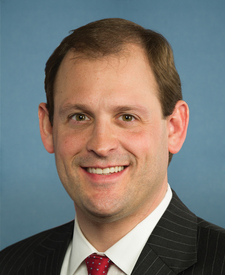

Legislative Progress
In CommitteeMs. Fedorchak (for herself, Mr. Weber of Texas, Mr. Goldman …
Referred to the House Committee on Energy and Commerce.
Introduced in House
Stakeholder Effects
cui bono?How this legislation distributes effects. Mention counts reflect frequency, not effect magnitude.
Grid reliability planners, RTO operators
Financially stressed plant owners, Plant owners in covered areas
Bill Structure & Actor Mappings
Who is "The Secretary" in each section?
We use a combination of our own taxonomy and classification in addition to large language models to assess meaning and potential beneficiaries. High confidence means strong textual evidence. Always verify with the original bill text.
Learn more about our methodology