Constitutional Concealed Carry Reciprocity Act of 2025
Summary
What This Bill Does
This bill adds a new federal concealed-carry reciprocity provision to chapter 44 of title 18. A person who is not federally prohibited from possessing a firearm, carries photo identification, and either has a valid State concealed-carry license or is entitled to carry a concealed firearm in the person's State of residence may carry a concealed handgun in other States that issue concealed-carry permits or allow residents to carry concealed firearms for lawful purposes. Covered handguns must have moved in interstate or foreign commerce and cannot be machine guns or destructive devices.
The bill preserves laws allowing private property owners to restrict firearms on their property and laws restricting firearms on State or local government property, installations, buildings, or bases. It bars arrest or detention for State or local carry-law violations unless there is probable cause that the person is carrying in a manner outside the federal reciprocity rule. It also creates a cause of action for people deprived of rights under the section, including damages and attorney fees.
Who Benefits and How
Concealed carry permit holders traveling interstate benefit because their home-State permit or home-State carry eligibility would be recognized in qualifying States. Residents of permitless-carry States benefit because home-State carry entitlement can support reciprocity. Firearms retailers and ammunition manufacturers may benefit from increased demand among travelers who can carry across State lines. Gun-rights advocacy organizations benefit from a federal rule overriding stricter State reciprocity limits. Travelers concerned about self-defense benefit from reduced legal uncertainty while crossing State borders.
Who Bears the Burden and How
States with stricter concealed-carry laws lose some control over who may carry concealed handguns inside their borders. State and local law enforcement officers must assess federal reciprocity coverage before arresting or detaining a carrier. State attorneys general and local governments may face civil litigation, damages, and attorney-fee exposure for violating the federal right. Gun-safety advocacy organizations bear a policy burden because States with stricter licensing, training, or residency rules must accept covered out-of-state carriers.
Key Provisions
- Creates federal concealed-carry reciprocity for eligible permit holders and home-State lawful carriers.
- Excludes machine guns and destructive devices from covered concealed handguns.
- Preserves private-property restrictions and State or local government property restrictions.
- Prohibits arrest or detention without probable cause that the carrier falls outside the reciprocity rule.
- Provides civil remedies, damages, and attorney fees for rights violations.
Evidence Chain:
This summary is generated from the full bill text using AI analysis. Expand "Detailed Analysis" below for identified beneficiaries/burden bearers with clause-level evidence links.
At a Glance
What This Bill Does
Creates national concealed-carry reciprocity for eligible handgun carriers with valid State permits or home-State carry eligibility, limits arrest or detention for covered carry without probable cause, preserves private-property and State-government property restrictions, and provides civil remedies for violations.
Key Policy Areas
Firearms, Public Safety, Federal Preemption, Civil Rights
Primary Purpose
Creates national concealed-carry reciprocity for eligible handgun carriers with valid State permits or home-State carry eligibility, limits arrest or detention for covered carry without probable cause, preserves private-property and State-government property restrictions, and provides civil remedies for violations.
Policy Domains
House resolution provisions
Identified Gains
- Concealed carry permit holders
- Permitless-carry State residents
- Firearms retailers
- Ammunition manufacturers
- Gun-rights advocacy organizations
- Interstate travelers
Identified Costs
- States with strict concealed-carry laws
- State law enforcement officers
- Local law enforcement officers
- State attorneys general
- Gun-safety advocacy organizations
Sponsors




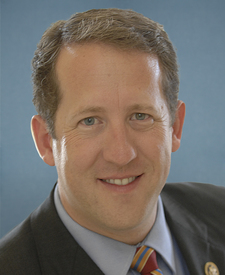
Legislative Progress
ReportedAdditional sponsors: Mr. Lucas, Mr. Obernolte, Mr. McDowell, Mr. Taylor, …
Reported with an amendment, committed to the Committee of the …
Placed on the Union Calendar, Calendar No. 289.
Reported (Amended) by the Committee on Judiciary. H. Rept. 119-337.
Ordered to be Reported (Amended) by the Yeas and Nays: …
Committee Consideration and Mark-up Session Held
Mr. Hudson (for himself, Mr. Murphy, Mr. Hern of Oklahoma, …
Referred to the House Committee on the Judiciary.
Introduced in House
Stakeholder Effects
cui bono?How this legislation distributes effects. Mention counts reflect frequency, not effect magnitude.
Concealed carry permit holders, Gun-safety advocacy organizations, Permitless-carry State residents
Bill Structure & Actor Mappings
Who is "The Secretary" in each section?
- "state"
- → State issuing concealed-carry permits
We use a combination of our own taxonomy and classification in addition to large language models to assess meaning and potential beneficiaries. High confidence means strong textual evidence. Always verify with the original bill text.
Learn more about our methodology