Gold Reserve Transparency Act of 2025
Summary
What This Bill Does
The Gold Reserve Transparency Act mandates a recurring independent audit of U.S. gold reserves. The Comptroller General must contract with a qualified, independent, third-party external auditor to conduct a full assay, inventory, and audit of all U.S. gold reserves, including deep-storage gold, at the places where the reserves are kept. The first audit must be completed within nine months after enactment and repeated every five years. The audit must analyze physical-security measures, account for all encumbrances such as leases, swaps, or similar transactions currently in existence or entered during the prior 50 years, account for all sales, purchases, disbursements, and receipts over that 50-year period including terms and parties, and account for all gold in which the U.S. government or Federal Reserve has a direct or indirect interest even if held by third parties such as the Bank for International Settlements, International Monetary Fund, Exchange Stabilization Fund, foreign central banks, or private parties. The bill then requires reporting after each audit, giving Congress and the public a more verifiable inventory of federal gold assets and claims.
Who Benefits and How
Congressional oversight committees benefit from independent verification of U.S. gold reserves and encumbrances. Federal fiscal watchdogs benefit from a full accounting of 50 years of gold reserve transactions. Gold-market transparency advocates benefit from disclosure about leases, swaps, third-party holdings, and security measures. Federal taxpayers benefit if the audit confirms the existence, condition, and legal status of government gold assets.
Who Bears the Burden and How
GAO must contract with and oversee an independent external gold auditor. Treasury reserve custodians must provide access to gold storage locations, transaction records, and security information. Federal Reserve officials may need to document direct or indirect gold interests. Third-party institutions holding U.S.-interest gold may face information requests or disclosure pressure.
Key Provisions
- Requires an independent assay, inventory, and audit of all U.S. gold reserves within nine months.
- Requires the audit to repeat every five years.
- Requires review of deep-storage gold and physical security measures.
- Requires accounting of 50 years of leases, swaps, sales, purchases, disbursements, and receipts.
- Requires accounting of U.S. gold interests held by the Federal Reserve, IMF, BIS, Exchange Stabilization Fund, foreign central banks, and other third parties.
Evidence Chain:
This summary is generated from the full bill text using AI analysis. Expand "Detailed Analysis" below for identified beneficiaries/burden bearers with clause-level evidence links.
At a Glance
What This Bill Does
Requires GAO to contract with an independent external auditor to complete, within nine months and every five years thereafter, a full assay, inventory, and audit of all U.S. gold reserves, including deep storage, physical security, 50 years of encumbrances and transactions, and gold interests held through entities such as the Federal Reserve, IMF, BIS, Exchange Stabilization Fund, foreign central banks, or other third parties.
Key Policy Areas
Treasury, Government Oversight, Federal Reserve
Primary Purpose
Requires GAO to contract with an independent external auditor to complete, within nine months and every five years thereafter, a full assay, inventory, and audit of all U.S. gold reserves, including deep storage, physical security, 50 years of encumbrances and transactions, and gold interests held through entities such as the Federal Reserve, IMF, BIS, Exchange Stabilization Fund, foreign central banks, or other third parties.
Policy Domains
Resolution provisions
Identified Gains
- Congressional oversight committees
- Federal fiscal watchdogs
- Gold-market transparency advocates
- Federal taxpayers
Identified Costs
- GAO
- Treasury reserve custodians
- Federal Reserve officials
- Third-party gold custodians
Sponsors



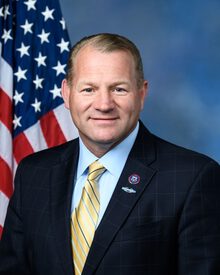
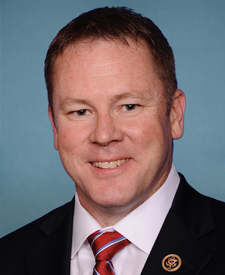
Legislative Progress
In CommitteeMr. Massie (for himself, Mr. Davidson, Mr. McDowell, and Mr. …
Referred to the House Committee on Financial Services.
Introduced in House
Stakeholder Effects
cui bono?How this legislation distributes effects. Mention counts reflect frequency, not effect magnitude.
Federal fiscal watchdogs, GAO, Treasury reserve custodians
Gold-market transparency advocates, Third-party gold custodians
Bill Structure & Actor Mappings
Who is "The Secretary" in each section?
We use a combination of our own taxonomy and classification in addition to large language models to assess meaning and potential beneficiaries. High confidence means strong textual evidence. Always verify with the original bill text.
Learn more about our methodology