To direct the Secretary of Energy to restrict certain grants to any State that has in effect a law prohibiting hydraulic fracturing within such State, and for other purposes.
Analysis under review: This bill has generated analysis that may be too generic or incomplete. Clause-level evidence remains available below.
Summary
What This Bill Does
The "Freedom to Frack Act" amends federal energy law to financially penalize states that ban hydraulic fracturing (fracking). Specifically, it makes states ineligible for federal energy efficiency grants under the Energy Independence and Security Act of 2007 if they prohibit fracking within their borders. This creates a direct conflict between state environmental policy decisions and access to federal funding for energy programs.
Who Benefits and How
The primary beneficiaries are oil and gas extraction companies and hydraulic fracturing service providers (such as Halliburton and Schlumberger). These companies benefit because the bill creates financial pressure on states to avoid enacting fracking bans, thereby maintaining or expanding their market access. States currently without fracking bans also gain a competitive advantage in accessing federal energy grants. The bill essentially uses federal grant leverage to protect the fracking industry from state-level regulations.
Who Bears the Burden and How
States with existing fracking bans (such as New York, Vermont, and Maryland) immediately lose eligibility for federal energy efficiency grants, reducing available funding for state energy programs. State environmental regulatory agencies face a forced choice between environmental policy autonomy and federal funding. Communities and environmental advocacy groups seeking to ban fracking in their states face higher barriers due to the financial penalty. Finally, state energy efficiency programs and their beneficiaries in states with fracking bans lose access to federal grant funding that would have supported energy efficiency initiatives.
Key Provisions
- Amends Section 545(c) of the Energy Independence and Security Act of 2007 to add a new grant ineligibility criterion
- States that "establish or continue to enforce" a prohibition on hydraulic fracturing become ineligible for program grants
- Hydraulic fracturing is defined by reference to federal regulations (40 CFR 60.5430a)
- The provision applies to both new and existing state fracking bans
- No grandfathering or transition period for states with existing bans
Evidence Chain:
This summary is generated from the full bill text using AI analysis. Expand "Detailed Analysis" below for identified beneficiaries/burden bearers.
At a Glance
What This Bill Does
To penalize states that ban hydraulic fracturing by making them ineligible for certain federal energy efficiency grants
Who Benefits
- Oil & gas companies (especially those operating in states with fracking bans or potential bans)
- Hydraulic fracturing service companies
- States without fracking bans (gain competitive advantage for grants)
Who Bears Costs
- States with existing fracking bans (New York, Vermont, Maryland, etc.) - lose federal grant eligibility
- State environmental regulators seeking to restrict fracking
- Environmental advocacy groups
Key Policy Areas
Energy, Federalism, Environmental Regulation
Primary Purpose
To penalize states that ban hydraulic fracturing by making them ineligible for certain federal energy efficiency grants
Policy Domains
Legislative Strategy
"Use federal grant leverage to discourage state-level hydraulic fracturing bans, promoting oil and gas industry interests"
Identified Gains
- Oil & gas companies (especially those operating in states with fracking bans or potential bans)
- Hydraulic fracturing service companies
- States without fracking bans (gain competitive advantage for grants)
Identified Costs
- States with existing fracking bans (New York, Vermont, Maryland, etc.) - lose federal grant eligibility
- State environmental regulators seeking to restrict fracking
- Environmental advocacy groups
- Communities opposed to fracking operations
Legislative Progress
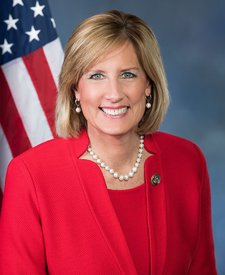
IntroducedMs. Tenney introduced the following bill; which was referred to …
Stakeholder Effects
cui bono?How this legislation distributes effects. Mention counts reflect frequency, not effect magnitude.
States with existing or potential hydraulic fracturing bans (e.g., New York, Vermont, Maryland), States without fracking bans
Positive-direction: States without fracking bans
Negative-direction: States with existing or potential hydraulic fracturing bans (e.g., New York, Vermont, Maryland)
Hydraulic fracturing service providers (e.g., Halliburton, Schlumberger), Oil & gas extraction companies operating in states considering fracking bans
Bill Structure & Actor Mappings
Who is "The Secretary" in each section?
- "the_secretary"
- → Secretary of Energy
Key Definitions
Terms defined in this bill
As defined in section 60.5430a of title 40, Code of Federal Regulations (or any successor regulation)
We use a combination of our own taxonomy and classification in addition to large language models to assess meaning and potential beneficiaries. High confidence means strong textual evidence. Always verify with the original bill text.
Learn more about our methodology