To prohibit the District of Columbia from requiring tribunals in court or administrative proceedings in the District of Columbia to defer to the Mayor of the District of Columbia's interpretation of statutes and regulations, and for other purposes.
Summary
What This Bill Does
This bill bars the District of Columbia from requiring a reviewing tribunal to defer to the Mayor of the District of Columbia or a District agency when reviewing an order, decision, or rule in a District court or administrative proceeding. The prohibition covers agency interpretations of statutes or regulations administered by the Mayor or the agency. The reported text repeals the Review of Agency Action Clarification Amendment Act of 2025, while the introduced text referred to the temporary 2024 version, and restores or revives any law that the repealed District Act had amended or repealed. The practical effect is to make District tribunals decide statutory and regulatory meaning without mandatory deference to the Mayor or District agencies.
Who Benefits and How
Parties challenging District agency decisions benefit because tribunals cannot be required to favor the Mayor's or agency's interpretation. District-regulated businesses benefit from a lower deference barrier when contesting agency orders, rules, or statutory interpretations. District residents in administrative proceedings benefit from more independent tribunal review of agency interpretations. Administrative-law attorneys benefit from clearer Federal limits on District deference rules. Reviewing courts and administrative tribunals benefit from authority to interpret statutes and regulations without a mandatory deference rule.
Who Bears the Burden and How
The Mayor of the District of Columbia loses a deference advantage in judicial and administrative review. District agencies must defend statutory and regulatory interpretations without mandatory tribunal deference. The District Council's Review of Agency Action Clarification Amendment Act of 2025 is repealed, and its changes are undone. District administrative tribunals must adjust review standards and restore prior law. Agency enforcement offices may face more litigation risk when regulated parties challenge orders or rules.
Key Provisions
- Prohibits District tribunals from being required to defer to the Mayor's interpretation of statutes or regulations.
- Prohibits required deference to District agency interpretations in court and administrative proceedings.
- Applies the prohibition to review of orders, decisions, and rules.
- Repeals the District Review of Agency Action Clarification Amendment Act of 2025.
- Restores or revives District law as if the repealed deference Act had not been enacted.
Evidence Chain:
This summary is generated from the full bill text using AI analysis. Expand "Detailed Analysis" below for identified beneficiaries/burden bearers with clause-level evidence links.
At a Glance
What This Bill Does
Prohibits the District of Columbia from requiring courts or administrative tribunals to defer to the Mayor's or a District agency's interpretation of statutes or regulations, and repeals the District law that created that deference rule so prior law is restored.
Key Policy Areas
District of Columbia, Administrative Law, Judicial Review
Primary Purpose
Prohibits the District of Columbia from requiring courts or administrative tribunals to defer to the Mayor's or a District agency's interpretation of statutes or regulations, and repeals the District law that created that deference rule so prior law is restored.
Policy Domains
House resolution provisions
Identified Gains
- Parties challenging District agency decisions
- District-regulated businesses
- District residents in administrative proceedings
- Administrative-law attorneys
- Reviewing courts
Identified Costs
- Mayor of the District of Columbia
- District agencies
- District Council
- District administrative tribunals
- Agency enforcement offices
Sponsors

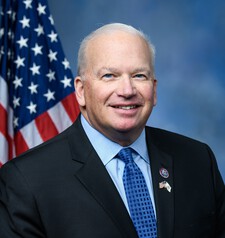
Legislative Progress
ReportedPlaced on the Union Calendar, Calendar No. 565.
Reported (Amended) by the Committee on Oversight and Government Reform. …
Additional sponsor: Mr. Fitzgerald
Reported with an amendment, committed to the Committee of the …
Ordered to be Reported (Amended) by the Yeas and Nays: …
Committee Consideration and Mark-up Session Held
Ms. Hageman introduced the following bill; which was referred to …
Referred to the House Committee on Oversight and Government Reform.
Introduced in House
Stakeholder Effects
cui bono?How this legislation distributes effects. Mention counts reflect frequency, not effect magnitude.
District administrative tribunals, District agencies, Mayor of the District of Columbia
District residents in administrative proceedings, Parties challenging District agency decisions
Bill Structure & Actor Mappings
Who is "The Secretary" in each section?
- "mayor"
- → Mayor of the District of Columbia
- "district_agencies"
- → District of Columbia agencies
We use a combination of our own taxonomy and classification in addition to large language models to assess meaning and potential beneficiaries. High confidence means strong textual evidence. Always verify with the original bill text.
Learn more about our methodology