Don’t Miss Your Flight Act
Summary
What This Bill Does
The Don't Miss Your Flight Act directs the Secretary of Transportation to establish a grant program for airport connection infrastructure. Eligible applicants are states, Indian Tribes, and units of local government, including public agencies that control public airports. Eligible projects must connect to a public airport, make improvements on land on or within five miles of that airport, and reduce congestion, expand capacity, provide access to under-connected areas, or rehabilitate roadway, rail, or transit infrastructure, including bridges, tunnels, and rolling stock. Projects can be highway or bridge projects under title 23, public transportation projects, passenger or freight rail projects, intercity bus projects, or airport access projects. The Secretary must consider whether a project is consistent with an airport master plan, improves passenger or workforce access, reduces congestion, connects under-connected areas, improves resiliency or safety, and can begin construction quickly. The program channels federal infrastructure money toward last-mile airport access rather than runways or terminals alone.
Who Benefits and How
Public airport sponsors benefit from a dedicated grant pathway for access roads, rail links, transit connections, and related infrastructure. Air travelers benefit if projects reduce congestion and missed-flight risk near airports. Airport workers benefit from improved commute access to airport employment centers. Under-connected communities benefit if projects link them to airport transportation networks.
Who Bears the Burden and How
Transportation Department grant staff must create the program, evaluate applications, and monitor project delivery. State transportation agencies must prepare applications and manage federally assisted airport connector projects. Local governments must coordinate land, planning, construction, and maintenance near airports. Federal taxpayers fund grants for eligible airport connection infrastructure.
Key Provisions
- Creates a DOT grant program for airport connection infrastructure.
- Allows states, Tribes, local governments, and airport public agencies to apply.
- Requires projects to connect to a public airport and be on or within five miles of it.
- Funds roadway, bridge, rail, transit, tunnel, rolling-stock, and intercity bus projects.
- Prioritizes congestion relief, capacity, under-connected areas, airport workforce access, safety, resiliency, and construction readiness.
Evidence Chain:
This summary is generated from the full bill text using AI analysis. Expand "Detailed Analysis" below for identified beneficiaries/burden bearers with clause-level evidence links.
At a Glance
What This Bill Does
Creates a Transportation Department grant program for states, Tribes, local governments, and airport public agencies to build or improve roadway, rail, transit, bridge, tunnel, rolling-stock, and connector infrastructure on or within five miles of public airports, prioritizing congestion relief, under-connected areas, airport workforces, and airport master-plan consistency.
Key Policy Areas
Transportation, Airports, Infrastructure
Primary Purpose
Creates a Transportation Department grant program for states, Tribes, local governments, and airport public agencies to build or improve roadway, rail, transit, bridge, tunnel, rolling-stock, and connector infrastructure on or within five miles of public airports, prioritizing congestion relief, under-connected areas, airport workforces, and airport master-plan consistency.
Policy Domains
Resolution provisions
Identified Gains
- Public airport sponsors
- Air travelers
- Airport workers
- Under-connected communities
Identified Costs
- Transportation Department grant staff
- State transportation agencies
- Local governments
- Federal taxpayers
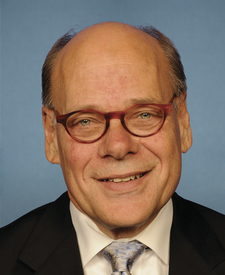
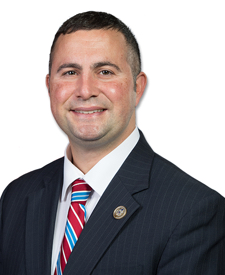
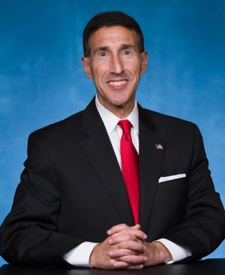
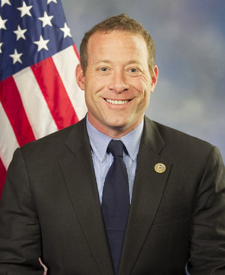
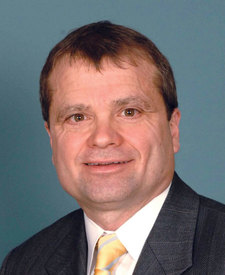
Sponsors
Legislative Progress
In CommitteeReferred to the Subcommittee on Highways and Transit.
Mr. Cohen (for himself and Mr. Kustoff) introduced the following …
Referred to the House Committee on Transportation and Infrastructure.
Introduced in House
Stakeholder Effects
cui bono?How this legislation distributes effects. Mention counts reflect frequency, not effect magnitude.
Local governments, State transportation agencies
Bill Structure & Actor Mappings
Who is "The Secretary" in each section?
We use a combination of our own taxonomy and classification in addition to large language models to assess meaning and potential beneficiaries. High confidence means strong textual evidence. Always verify with the original bill text.
Learn more about our methodology