Small Biotech Innovation Act
Summary
What This Bill Does
The Small Biotech Innovation Act narrows which drugs can be selected for Medicare negotiation. It amends the Social Security Act so that, beginning with initial price applicability year 2029, a qualifying single-source drug is not a negotiation eligible drug if it is made by a research-and-development-intensive small biotech manufacturer. A small biotech manufacturer must have five or fewer qualifying single-source drugs and may not be owned, controlled, directed, or organized under the laws of a covered foreign nation. The manufacturer must invest a portfolio-specific share of average net revenue from the previous three years in R&D: 30 percent for one qualifying drug, 40 percent for two, 50 percent for three, 60 percent for four, and 70 percent for five. If a protected drug's manufacturer is later acquired by a manufacturer that does not meet the small-biotech definition, the exception ends at the start of the next plan year. Manufacturers must apply annually to HHS with net product revenue, R&D expenditures, certification of accuracy, and any other information the Secretary requires, and HHS must create an appeal process that finishes before the selected-drug publication date.
Who Benefits and How
Research-intensive small biotech manufacturers benefit because eligible single-source drugs are excluded from Medicare negotiation starting in 2029. Small biotech investors benefit if protected manufacturers retain pricing flexibility while spending large revenue shares on R&D. Drug development programs with one to five products benefit from a clear R&D-spending test tied to portfolio size. Manufacturers outside covered-nation ownership benefit from an eligibility rule that excludes some foreign-controlled competitors.
Who Bears the Burden and How
HHS drug-pricing staff must review annual applications, verify revenue and R&D data, and run an appeals process before publication deadlines. Medicare beneficiaries and taxpayers may face higher costs for drugs that would otherwise be negotiation eligible. Acquiring drug manufacturers lose the exception for acquired products if they do not meet the small-biotech R&D test. Foreign-controlled biotech manufacturers are excluded from the exception.
Key Provisions
- Excludes qualifying small-biotech drugs from Medicare negotiation beginning in 2029.
- Requires small biotech manufacturers to have five or fewer qualifying single-source drugs.
- Requires R&D spending of 30 to 70 percent of average net revenue depending on portfolio size.
- Bars covered-nation owned or controlled manufacturers from the exception.
- Requires annual HHS applications, certifications, and an appeal process.
- Terminates the exception after acquisition by a nonqualifying manufacturer.
Evidence Chain:
This summary is generated from the full bill text using AI analysis. Expand "Detailed Analysis" below for identified beneficiaries/burden bearers with clause-level evidence links.
At a Glance
What This Bill Does
Creates a Medicare drug-price-negotiation exception beginning in 2029 for single-source drugs made by research-and-development-intensive small biotech manufacturers with no more than five qualifying drugs, no covered-nation ownership, and R&D spending equal to 30 to 70 percent of average prior-year net revenue depending on portfolio size.
Key Policy Areas
Medicare, Biotechnology, Prescription Drugs
Primary Purpose
Creates a Medicare drug-price-negotiation exception beginning in 2029 for single-source drugs made by research-and-development-intensive small biotech manufacturers with no more than five qualifying drugs, no covered-nation ownership, and R&D spending equal to 30 to 70 percent of average prior-year net revenue depending on portfolio size.
Policy Domains
Resolution provisions
Identified Gains
- Research-intensive small biotech manufacturers
- Small biotech investors
- Drug development programs
- Domestic biotech manufacturers
Identified Costs
- HHS drug-pricing staff
- Medicare beneficiaries
- Federal taxpayers
- Foreign-controlled biotech manufacturers
Sponsors
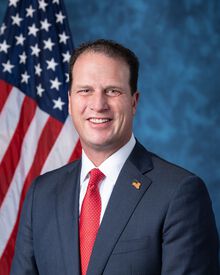
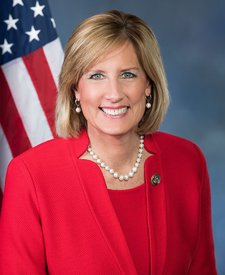
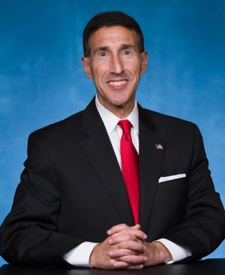

Legislative Progress
In CommitteeMr. Pfluger (for himself and Mr. Kustoff) introduced the following …
Referred to the Committee on Energy and Commerce, and in …
Introduced in House
Stakeholder Effects
cui bono?How this legislation distributes effects. Mention counts reflect frequency, not effect magnitude.
Drug development programs, Foreign-controlled biotech manufacturers, Research-intensive small biotech manufacturers
Positive-direction: Drug development programs, Research-intensive small biotech manufacturers
Negative-direction: Foreign-controlled biotech manufacturers
Bill Structure & Actor Mappings
Who is "The Secretary" in each section?
We use a combination of our own taxonomy and classification in addition to large language models to assess meaning and potential beneficiaries. High confidence means strong textual evidence. Always verify with the original bill text.
Learn more about our methodology