Supporting American Allies Act
Summary
What This Bill Does
The Supporting American Allies Act is a targeted tariff exemption. Duties imposed under the executive order entitled Regulating Imports with a Reciprocal Tariff to Rectify Trade Practices that Contribute to Large and Persistent Annual United States Goods Trade Deficits may not apply to articles imported from Israel or Ukraine. The bill does not revise the full reciprocal tariff framework; it carves out two allied countries from those duties.
Who Benefits and How
Israeli exporters benefit because their goods are exempt from the reciprocal tariff duties covered by the bill. Ukrainian exporters benefit from the same exemption for articles imported from Ukraine. U.S. importers of Israeli goods benefit from lower tariff costs on covered imports. U.S. importers of Ukrainian goods benefit from lower tariff costs on covered imports.
Who Bears the Burden and How
Customs and Border Protection tariff staff must administer country-of-origin exemptions for Israel and Ukraine. Treasury revenue collections decline if duties otherwise owed on Israeli and Ukrainian goods are not collected. Competing foreign exporters not covered by the exemption remain subject to the reciprocal tariff duties. Domestic producers competing with Israeli or Ukrainian imports may face more price competition.
Key Provisions
- Exempts articles imported from Israel from reciprocal tariff duties.
- Exempts articles imported from Ukraine from reciprocal tariff duties.
- Uses the named executive order on reciprocal tariffs as the source of covered duties.
- Limits the bill to country-specific exemptions rather than changing the full tariff program.
Evidence Chain:
This summary is generated from the full bill text using AI analysis. Expand "Detailed Analysis" below for identified beneficiaries/burden bearers with clause-level evidence links.
At a Glance
What This Bill Does
Exempts articles imported from Israel and Ukraine from duties imposed under the executive order on reciprocal tariffs responding to large and persistent U.S. goods trade deficits.
Key Policy Areas
Trade, Tariffs, Foreign Affairs
Primary Purpose
Exempts articles imported from Israel and Ukraine from duties imposed under the executive order on reciprocal tariffs responding to large and persistent U.S. goods trade deficits.
Policy Domains
Resolution provisions
Identified Gains
- Israeli manufacturers
- Ukrainian manufacturers
- United States importers
- Trade associations
Identified Costs
- Customs and Border Protection officers
- Treasury Department staff
- Competing foreign manufacturers
- Domestic manufacturing workers
Sponsors


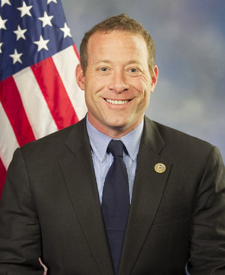

Legislative Progress
In CommitteeMr. Moskowitz (for himself, Mrs. Cherfilus-McCormick, Mr. Gottheimer, and Mr. …
Referred to the House Committee on Ways and Means.
Introduced in House
Stakeholder Effects
cui bono?How this legislation distributes effects. Mention counts reflect frequency, not effect magnitude.
Israeli exporters, U.S. importers of Israeli goods, U.S. importers of Ukrainian goods
Bill Structure & Actor Mappings
Who is "The Secretary" in each section?
We use a combination of our own taxonomy and classification in addition to large language models to assess meaning and potential beneficiaries. High confidence means strong textual evidence. Always verify with the original bill text.
Learn more about our methodology