Do or Dye Act
Summary
What This Bill Does
The Do or Dye Act creates statutory phaseout dates for specified synthetic food color additives. Notwithstanding current FDA listing, certification, or certification exemptions under the color-additive statute, qualified color additives become unsafe for food use on December 31, 2025, and foods containing them are deemed adulterated under the Food, Drug, and Cosmetic Act. Qualified additives are Citrus Red No. 2, Orange B, and substantially similar additives. Covered color additives become unsafe on December 31, 2026, and foods containing them are adulterated. Covered additives are Red No. 40, Yellow No. 5, Yellow No. 6, Green No. 3, Blue No. 1, Blue No. 2, and substantially similar additives. The bill directly changes market legality rather than asking FDA to reconsider each dye case by case.
Who Benefits and How
Consumers concerned about synthetic food dyes benefit from statutory removal of listed color additives from food. Parents and child health advocates benefit if foods marketed to children must be reformulated without the covered dyes. Natural color ingredient suppliers benefit from demand for replacement colors. Food safety organizations benefit from clear adulteration dates for listed additives.
Who Bears the Burden and How
Food manufacturers must reformulate products using Citrus Red No. 2, Orange B, Red No. 40, Yellow dyes, Green No. 3, or Blue dyes. FDA food enforcement staff must treat foods containing listed additives as adulterated after the phaseout dates. Retailers may need to remove or relabel products containing phased-out dyes. Synthetic food dye manufacturers lose food-use markets for the listed color additives.
Key Provisions
- Prohibits qualified color additives in food beginning December 31, 2025.
- Prohibits covered color additives in food beginning December 31, 2026.
- Deems foods containing phased-out additives adulterated under the FDCA.
- Covers Citrus Red No. 2, Orange B, Red No. 40, Yellow No. 5, Yellow No. 6, Green No. 3, Blue No. 1, and Blue No. 2.
Evidence Chain:
This summary is generated from the full bill text using AI analysis. Expand "Detailed Analysis" below for identified beneficiaries/burden bearers with clause-level evidence links.
At a Glance
What This Bill Does
Deems foods containing Citrus Red No. 2 or Orange B unsafe and adulterated beginning December 31, 2025, and foods containing Red No. 40, Yellow No. 5, Yellow No. 6, Green No. 3, Blue No. 1, Blue No. 2, or substantially similar additives unsafe and adulterated beginning December 31, 2026.
Key Policy Areas
Food Safety, FDA, Consumer Products
Primary Purpose
Deems foods containing Citrus Red No. 2 or Orange B unsafe and adulterated beginning December 31, 2025, and foods containing Red No. 40, Yellow No. 5, Yellow No. 6, Green No. 3, Blue No. 1, Blue No. 2, or substantially similar additives unsafe and adulterated beginning December 31, 2026.
Policy Domains
Resolution provisions
Identified Gains
- Consumers concerned about food dyes
- Parents
- Natural color suppliers
- Food safety organizations
Identified Costs
- Food manufacturers
- FDA food enforcement staff
- Retailers
- Synthetic dye manufacturers
Sponsors




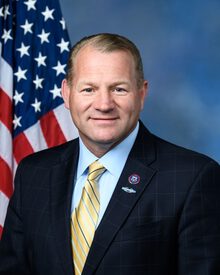
Legislative Progress
In CommitteeMrs. Luna (for herself and Mr. Nehls) introduced the following …
Referred to the House Committee on Energy and Commerce.
Introduced in House
Stakeholder Effects
cui bono?How this legislation distributes effects. Mention counts reflect frequency, not effect magnitude.
Food manufacturers, Natural color suppliers
Positive-direction: Natural color suppliers
Negative-direction: Food manufacturers
Bill Structure & Actor Mappings
Who is "The Secretary" in each section?
We use a combination of our own taxonomy and classification in addition to large language models to assess meaning and potential beneficiaries. High confidence means strong textual evidence. Always verify with the original bill text.
Learn more about our methodology