Restoring American Freedom Act
Summary
What This Bill Does
The Restoring American Freedom Act amends the State Department Basic Authorities Act. The Secretary of State must monitor and ensure that Department employees, officers, agents, grantees, contractors, and entities indirectly receiving State Department funds do not engage in or facilitate conduct that would unconstitutionally abridge the First Amendment-protected speech of U.S. citizens. State Department funds may not be used for such conduct, and the Secretary must take appropriate corrective action for past misconduct by State personnel or funding recipients who facilitated censorship. The bill separately bars State Department funds from being provided to any person or entity that publishes or disseminates an advertising blacklist, or creates, tests, or distributes a censorship tool without safeguards sufficient, as determined by the Under Secretary for Public Diplomacy, to prevent the tool from censoring U.S. citizens' free speech. Advertising blacklist means a curated list used to discourage or prohibit advertisers from supporting a U.S. citizen because of that citizen's speech. Censor includes coercing or contacting a social media company, directly or through an academic institution, to moderate, remove, or suppress protected speech. Within seven days after being notified that State personnel or funding recipients are actually or potentially censoring a U.S. citizen's speech, the Secretary must notify the House Foreign Affairs chair and ranking member, the Senate Foreign Relations chair and ranking member, and the affected U.S. citizen.
Who Benefits and How
United States citizens benefit from restrictions on State Department-funded censorship of First Amendment-protected speech. Online speakers targeted by advertising blacklists benefit from a funding bar aimed at blacklist publishers and disseminators. Congressional foreign affairs leaders benefit from seven-day notice when State-funded actors may be censoring a citizen. Free-speech advocacy organizations benefit from statutory definitions of advertising blacklist, censor, and protected speech.
Who Bears the Burden and How
State Department employees and contractors must avoid unconstitutional censorship and may face corrective action for past misconduct. State Department grantees lose funding eligibility if they publish advertising blacklists or distribute inadequately safeguarded censorship tools. Under Secretary for Public Diplomacy staff must determine whether censorship tools have sufficient safeguards. Social media moderation partners may lose State Department funding if their work suppresses protected U.S. citizen speech.
Key Provisions
- Prohibits State Department-funded censorship of U.S. citizens' protected speech.
- Bars funds for advertising blacklists and inadequately safeguarded censorship tools.
- Requires corrective action for past censorship misconduct by State personnel and funding recipients.
- Defines advertising blacklist, censor, and free speech for the funding restriction.
- Requires notice to congressional leaders and affected citizens within seven days.
Evidence Chain:
This summary is generated from the full bill text using AI analysis. Expand "Detailed Analysis" below for identified beneficiaries/burden bearers with clause-level evidence links.
At a Glance
What This Bill Does
Bars State Department employees, grantees, contractors, and indirect funding recipients from engaging in or facilitating unconstitutional censorship of U.S. citizens' First Amendment-protected speech, prohibits State Department funds for advertising blacklists and inadequately safeguarded censorship tools, requires corrective action for past misconduct, and requires notice to congressional foreign affairs leaders and affected citizens within seven days of censorship notifications.
Key Policy Areas
Civil Rights, Foreign Affairs, Federal Grants
Primary Purpose
Bars State Department employees, grantees, contractors, and indirect funding recipients from engaging in or facilitating unconstitutional censorship of U.S. citizens' First Amendment-protected speech, prohibits State Department funds for advertising blacklists and inadequately safeguarded censorship tools, requires corrective action for past misconduct, and requires notice to congressional foreign affairs leaders and affected citizens within seven days of censorship notifications.
Policy Domains
Resolution provisions
Identified Gains
- United States citizens
- Online speakers
- Congressional foreign affairs leaders
- Free-speech organizations
Identified Costs
- State Department employees
- State Department grantees
- Public Diplomacy staff
- Social media moderation partners
Sponsors
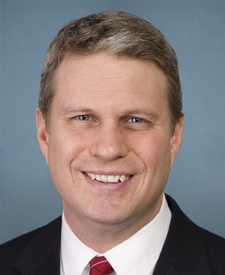

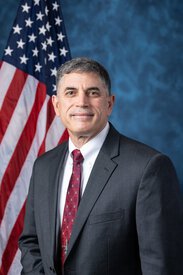


Legislative Progress
In CommitteeMr. Huizenga (for himself, Mr. Burchett, Mr. Shreve, Mr. Self, …
Referred to the House Committee on Foreign Affairs.
Introduced in House
Stakeholder Effects
cui bono?How this legislation distributes effects. Mention counts reflect frequency, not effect magnitude.
Free-speech organizations, United States citizens
Bill Structure & Actor Mappings
Who is "The Secretary" in each section?
We use a combination of our own taxonomy and classification in addition to large language models to assess meaning and potential beneficiaries. High confidence means strong textual evidence. Always verify with the original bill text.
Learn more about our methodology