To reauthorize and amend the Magnuson-Stevens Fishery Conservation and Management Act, and for other purposes.
Summary
What This Bill Does
The bill creates updates the table of contents of the Magnuson-Stevens Act to reflect new section titles and numbering, amends the findings and purposes of the Magnuson-Stevens Act to recognize climate change as a major threat to fisheries and marine ecosystems, including ocean acidification and deoxygenation, and requires fishery management plans to promote resilience to climate change, consider climate impacts, include data for anticipated environmental conditions, assess climate vulnerability, and describe current climate. It relies on compliance mandates, reporting requirements, definition changes, and appropriations. The main policy areas are Fisheries, Agriculture, Science & Space, and Workplace Safety.
Who Benefits and How
Marine conservation organizations could face fewer barriers, Fishing communities could gain revenue opportunities, and Coastal fishing communities could gain revenue opportunities.
Who Bears the Burden and How
Regional Fishery Management Councils would take on compliance duties, NOAA/National Marine Fisheries Service would take on compliance duties, and Secretary of Commerce/NOAA would take on compliance duties.
Key Provisions
- Creates updates the table of contents of the Magnuson-Stevens Act to reflect new section titles and numbering.
- Amends the findings and purposes of the Magnuson-Stevens Act to recognize climate change as a major threat to fisheries and marine ecosystems, including ocean acidification and deoxygenation.
- Requires fishery management plans to promote resilience to climate change, consider climate impacts, include data for anticipated environmental conditions, assess climate vulnerability, and describe current climate...
- Requires Secretary to assess climate vulnerability of all managed fish stocks every 5 years, notify Councils, and requires Councils to publish resilience plans within 1 year of notification.
- Establishes a climate-ready fisheries innovation program requiring NOAA to develop tools and approaches to help fishery management adapt to climate change impacts within one year.
Evidence Chain:
This summary is generated from the full bill text using AI analysis. Expand "Detailed Analysis" below for identified beneficiaries/burden bearers with clause-level evidence links.
At a Glance
What This Bill Does
The bill creates updates the table of contents of the Magnuson-Stevens Act to reflect new section titles and numbering, amends the findings and purposes of the Magnuson-Stevens Act to recognize climate change as a major threat to fisheries and marine ecosystems, including ocean acidification and deoxygenation, and requires fishery management plans to promote resilience to climate change, consider climate impacts, include data for anticipated environmental conditions, assess climate vulnerability, and describe current climate.
Key Policy Areas
Fisheries, Agriculture, Science & Space, Workplace Safety
Primary Purpose
The bill creates updates the table of contents of the Magnuson-Stevens Act to reflect new section titles and numbering, amends the findings and purposes of the Magnuson-Stevens Act to recognize climate change as a major threat to fisheries and marine ecosystems, including ocean acidification and deoxygenation, and requires fishery management plans to promote resilience to climate change, consider climate impacts, include data for anticipated environmental conditions, assess climate vulnerability, and describe current climate.
Policy Domains
Title I - Climate Change and Fisheries Resilience
Identified Gains
- Marine conservation organizations
- Fishing communities
- Coastal fishing communities
- Universities and research institutions
- Commercial fishing industry
Identified Costs
- Regional Fishery Management Councils
- NOAA/National Marine Fisheries Service
- Secretary of Commerce/NOAA
- NOAA/Secretary of Commerce
- NOAA administration
Sponsors
Legislative Progress
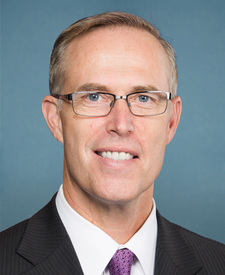
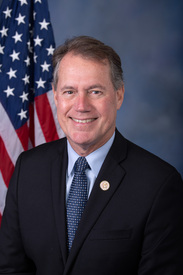
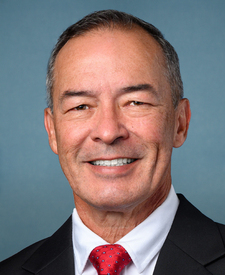
IntroducedMr. Huffman (for himself, Mr. Moylan, and Mr. Case) introduced …
Stakeholder Effects
cui bono?How this legislation distributes effects. Mention counts reflect frequency, not effect magnitude.
Charter fishing businesses, Coastal fishing communities, Commercial fisheries
Positive-direction: Coastal fishing communities, Commercial fishers affected by stock shifts, Commercial fishers operating in multi-region fisheries, Commercial fishing industry, Commercial fishing industry near wind areas, Commercial fishing infrastructure operators, Commercial fishing vessels, Commercial tuna fishing industry, Fishing communities, Fishing communities facing climate impacts, Historically underserved coastal communities, New fishery entrants, Northeast commercial fishing vessel operators, Predator fisheries (tuna, pollock), Recreational fishing industry, Recreational fishing industry (Atlantic tuna), Seafood industry, Short-lived species fisheries (squid, shrimp)
Negative-direction: Commercial fishing industry in overfished fisheries, Commercial fishing operations affecting habitat, Commercial fishing operations in sensitive habitats, Commercial fishing operations with high bycatch, Forage fish fisheries (menhaden, anchovy, sardine), Highly migratory species fisheries (excluding Atlantic tuna), Inshore mobile gear fishing operations (trawlers, dredgers)
Fisheries observers and at-sea monitors, Law enforcement agencies, NOAA
NOAA/National Marine Fisheries Service faces effects in multiple directions
Positive-direction: Fisheries observers and at-sea monitors, Law enforcement agencies, NOAA employees and covered personnel, NOAA employees and fisheries observers, Pacific Insular Area governments (Guam, American Samoa, Northern Marianas), Regional Fishery Management Council staff
Negative-direction: NOAA, NOAA administration, NOAA personnel with merchant mariner credentials, NOAA/Secretary of Commerce, National Marine Fisheries Service, Regional Fishery Management Councils, Secretary of Commerce/NOAA, USDA Agricultural Marketing Service
Climate research community, Climate research consultants, Climate research firms and consultants
Positive-direction: Climate research community, Climate research consultants, Climate research firms and consultants, Climate research organizations, Climate scientists, Climate scientists and ecosystem researchers, Climate vulnerability research organizations, Fisheries research and management contractors, Marine research organizations, Marine scientists specializing in highly migratory species, Shark research organizations
Negative-direction: Scientific and statistical committees
At-sea observer industry, Conservation organizations, Marine conservation organizations
Positive-direction: Conservation organizations, Marine conservation organizations, Marine ecosystem conservation organizations, Marine habitat conservation advocates
Negative-direction: At-sea observer industry
Alaska Federation of Natives, Alaska Native tribes, Indian Tribes
AI and cloud services providers, Autonomous survey technology providers, Data management and technology contractors
Coastal state governments, State fisheries agencies, State fisheries data programs
Positive-direction: Coastal state governments, State fisheries data programs
Negative-direction: State fisheries agencies
Universities and research institutions, Virginia Institute of Marine Science
Bill Structure & Actor Mappings
Who is "The Secretary" in each section?
- "the_council"
- → Regional Fishery Management Councils
- "the_secretary"
- → Secretary of Commerce
- "the_administrator"
- → Administrator of NOAA
- "the_secretary"
- → Secretary of Commerce
- "the_secretary"
- → Secretary of Commerce
- "the_under_secretary"
- → Under Secretary for Oceans and Atmosphere
- "the_secretary"
- → Secretary of Commerce
- "the_administrator"
- → Administrator of NOAA
- "the_assistant_administrator"
- → Assistant Administrator for Fisheries
- "the_council"
- → Regional Fishery Management Councils
- "the_secretary"
- → Secretary of Commerce
Key Definitions
Terms defined in this bill
The Administrator of the National Oceanic and Atmospheric Administration
Fishing in which the fish harvested are intended for customary and traditional uses, including for direct or sharing personal, family, or community consumption, for making handicraft articles, for barter, and for customary trade
Individuals who work with or conduct business on behalf of NOAA including observers, at-sea monitors, catch monitors, and Council staff
Has the meaning given the term in section 3 of the Magnuson-Stevens Fishery Conservation and Management Act (16 U.S.C. 1802) - refers to Regional Fishery Management Councils
The Secretary of Commerce
Waterfront infrastructure supporting commercial fishing, recreational fishing/boating, aquaculture, boatbuilding, or water-dependent coastal business
We use a combination of our own taxonomy and classification in addition to large language models to assess meaning and potential beneficiaries. High confidence means strong textual evidence. Always verify with the original bill text.
Learn more about our methodology