To reauthorize and amend the Magnuson-Stevens Fishery Conservation and Management Act, and for other purposes.
Sponsors
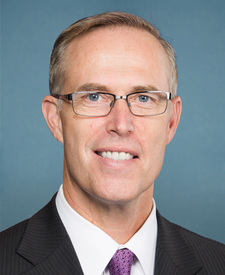
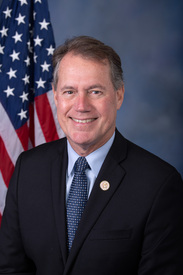
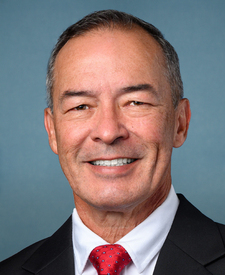
Legislative Progress
IntroducedMr. Huffman (for himself, Mr. Moylan, and Mr. Case) introduced …
Summary
What This Bill Does
This bill reauthorizes and modernizes the Magnuson-Stevens Fishery Conservation and Management Act, the primary law governing U.S. ocean fisheries. It requires federal fisheries management to account for climate change impacts on fish populations, mandates electronic monitoring technologies on fishing vessels, and creates new grant programs for coastal communities. The bill also strengthens protections against sexual harassment for fisheries observers and NOAA personnel.
Who Benefits and How
Commercial and recreational fishing industries benefit from more flexible stock rebuilding timelines, cooperative research programs, and reduced regulatory burdens when climate change (rather than overfishing) causes fish population declines. Coastal communities and working waterfronts receive up to $50 million annually in new grants to preserve fishing infrastructure and waterfront access. Indigenous and subsistence fishing communities gain formal federal recognition and two new tribal seats on the North Pacific Fishery Management Council. Electronic monitoring technology companies benefit from mandated adoption of their systems. NOAA employees and fisheries observers gain stronger sexual harassment reporting and protection mechanisms.
Who Bears the Burden and How
Federal taxpayers fund approximately $700-765 million annually in new appropriations for fisheries management, research programs, and grants. NOAA and the National Marine Fisheries Service must develop new climate vulnerability assessments, data modernization strategies, and monitoring contingency plans within tight deadlines. Regional Fishery Management Councils face new requirements to create climate resilience plans and meet stricter procedural standards. Traditional at-sea observer positions may be displaced as electronic monitoring expands across commercial fisheries.
Key Provisions
- Requires climate change vulnerability assessments for all managed fish stocks every 5 years and mandates that Councils develop climate resilience plans
- Establishes the Working Waterfronts Grant Program providing up to $50 million annually to preserve coastal fishing infrastructure
- Modernizes stock rebuilding rules to account for non-fishing factors like climate change, potentially extending rebuilding timelines
- Expands electronic monitoring requirements and establishes data standards to improve fisheries data collection and reduce reliance on human observers
- Adds two tribal representatives to the North Pacific Fishery Management Council and formally recognizes subsistence fishing rights
- Strengthens sexual harassment prevention policies for NOAA personnel and fisheries observers, including restricted reporting options
Evidence Chain:
This summary is derived from the structured analysis below. See "Detailed Analysis" for per-title beneficiaries/burden bearers with clause-level evidence links.
Primary Purpose
Reauthorizes and substantially amends the Magnuson-Stevens Fishery Conservation and Management Act to integrate climate change considerations into fisheries management, improve data collection and electronic monitoring, support coastal communities and working waterfronts, and modernize rebuilding programs for depleted fish stocks.
Policy Domains
Legislative Strategy
"Modernize the 50-year-old Magnuson-Stevens Act to address climate change impacts on fisheries, improve data collection through electronic technologies, support coastal fishing communities, and reform stock rebuilding requirements to account for non-fishing factors"
Likely Beneficiaries
- Commercial fishing industry (reduced regulatory burden, flexible rebuilding timelines, cooperative management)
- Recreational fishing industry (improved data collection, better stock management)
- Subsistence and Indigenous fishing communities (new federal recognition, protection of traditional practices)
- Coastal communities (Working Waterfronts grants up to \M/year, infrastructure support)
- NOAA employees and observers (sexual harassment protections)
- Electronic monitoring technology companies (mandated use of electronic technologies)
Likely Burden Bearers
- Federal taxpayers (new appropriations for grants, research programs, data modernization)
- NOAA/NMFS (new reporting requirements, climate assessments, guideline development)
- Regional Fishery Management Councils (new climate resilience plans, data standards compliance)
- Traditional at-sea observer industry (potential job displacement from electronic monitoring)
Bill Structure & Actor Mappings
Who is "The Secretary" in each section?
- "the_council"
- → Regional Fishery Management Councils
- "the_secretary"
- → Secretary of Commerce
- "the_administrator"
- → Administrator of NOAA
- "the_secretary"
- → Secretary of Commerce
- "the_secretary"
- → Secretary of Commerce
- "the_under_secretary"
- → Under Secretary for Oceans and Atmosphere
- "the_secretary"
- → Secretary of Commerce
- "the_administrator"
- → Administrator of NOAA
- "the_assistant_administrator"
- → Assistant Administrator for Fisheries
- "the_council"
- → Regional Fishery Management Councils
- "the_secretary"
- → Secretary of Commerce
Key Definitions
Terms defined in this bill
The Administrator of the National Oceanic and Atmospheric Administration
Fishing in which the fish harvested are intended for customary and traditional uses, including for direct or sharing personal, family, or community consumption, for making handicraft articles, for barter, and for customary trade
Individuals who work with or conduct business on behalf of NOAA including observers, at-sea monitors, catch monitors, and Council staff
Has the meaning given the term in section 3 of the Magnuson-Stevens Fishery Conservation and Management Act (16 U.S.C. 1802) - refers to Regional Fishery Management Councils
The Secretary of Commerce
Waterfront infrastructure supporting commercial fishing, recreational fishing/boating, aquaculture, boatbuilding, or water-dependent coastal business
We use a combination of our own taxonomy and classification in addition to large language models to assess meaning and potential beneficiaries. High confidence means strong textual evidence. Always verify with the original bill text.
Learn more about our methodology