To expand and enhance existing adult day programs for younger people with neurological diseases or conditions (such as multiple sclerosis, Parkinson’s disease, traumatic brain injury, or other similar diseases or conditions) to support and improve access to respite services for family caregivers who are taking care of such people, and for other purposes.
Analysis under review: This bill has generated analysis that may be too generic or incomplete. Clause-level evidence remains available below.
Summary
What This Bill Does
This bill, To expand and enhance existing adult day programs for younger people with neurological diseases or conditions (such as multiple sclerosis, Parkinson’s disease, traumatic brain injury, or other similar diseases or conditions) to support and improve access to respite services for family caregivers who are taking care of such people, and for other purposes., changes federal law or congressional policy affecting health care providers and patients. The main policy domain is Healthcare, Social Welfare, Government Operations.
Who Benefits and How
health care providers and patients may benefit from new authority, funding, eligibility, regulatory clarity, or reduced risk created by the bill.
Who Bears the Burden and How
federal implementing agencies, health care providers and patients may take on implementation duties, reporting obligations, compliance costs, or oversight responsibilities.
Key Provisions
- Section H7346C35AFFB344C09A89959C1EC351CD: 1. Short title This Act may be cited as the Adult Day Center Enhancement Act.
- Section H8EA0EE60BA144C649825A8A24358DC8A: 2. Findings The Congress finds the following: One in 6 people in the United States lives with a neurological disease or condition that can often result in...
- Section HB775CA0DB9334D208F37E76DA5FE6BCA: 3. Establishment of adult day programs Not later than 90 days after the date of the enactment of this section, the Assistant Secretary for Aging shall initiate...
Evidence Chain:
This summary is generated from the full bill text using AI analysis. Expand "Detailed Analysis" below for identified beneficiaries/burden bearers with clause-level evidence links.
At a Glance
What This Bill Does
This bill, To expand and enhance existing adult day programs for younger people with neurological diseases or conditions (such as multiple sclerosis, Parkinson’s disease, traumatic brain injury, or other similar diseases or conditions) to support and improve access to respite services for family caregivers who are taking care of such people, and for other purposes., changes federal law or congressional policy affecting health care providers and patients.
Key Policy Areas
Healthcare, Social Welfare, Government Operations
Primary Purpose
This bill, To expand and enhance existing adult day programs for younger people with neurological diseases or conditions (such as multiple sclerosis, Parkinson’s disease, traumatic brain injury, or other similar diseases or conditions) to support and improve access to respite services for family caregivers who are taking care of such people, and for other purposes., changes federal law or congressional policy affecting health care providers and patients.
Policy Domains
Whole bill
Identified Gains
- health care providers and patients
Identified Costs
- federal implementing agencies
- health care providers and patients
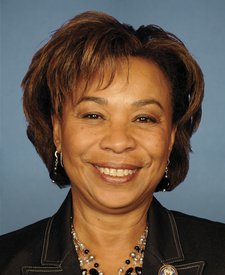
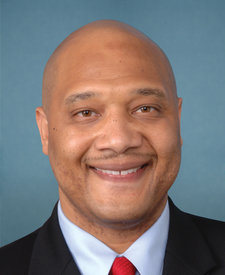
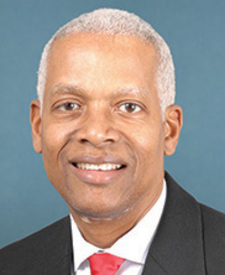
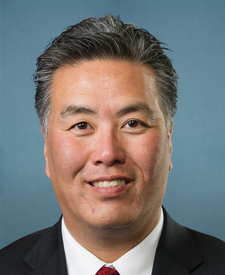
Sponsors
Legislative Progress
IntroducedMs. Lee of California (for herself, Mr. Johnson of Georgia, …
Impact analysis is available but no clear stakeholder effects identified. View clause-level analysis →
Bill Structure & Actor Mappings
Who is "The Secretary" in each section?
- "federal_implementing_agencies"
- → Federal agencies assigned duties by the bill
We use a combination of our own taxonomy and classification in addition to large language models to assess meaning and potential beneficiaries. High confidence means strong textual evidence. Always verify with the original bill text.
Learn more about our methodology