Fair and Equal Housing Act of 2025
Summary
What This Bill Does
The Fair and Equal Housing Act expands federal housing civil-rights text. It adds definitions to the Fair Housing Act stating that protected categories such as race, color, religion, sex including sexual orientation and gender identity, handicap, familial status, and national origin include the protected trait of a person with whom the individual is or was associated, and include a perception or belief about the individual's protected trait even if inaccurate. It defines gender identity as gender-related identity, appearance, mannerisms, or other gender-related characteristics without regard to sex designated at birth, and defines sexual orientation as homosexuality, heterosexuality, or bisexuality. It inserts sex including sexual orientation and gender identity throughout Fair Housing Act provisions on sales, rentals, residential real-estate transactions, brokerage, and HUD-related fair housing functions, and adds the same language to the criminal civil-rights provision in 42 U.S.C. 3631.
Who Benefits and How
LGBTQ home seekers benefit from explicit federal fair housing protection for sexual orientation and gender identity. People discriminated against by association benefit when housing bias is based on a partner, family member, roommate, or associate's protected trait. People targeted by perceived identity benefit because inaccurate assumptions still count under the protected-category definition. Fair housing enforcement organizations benefit from clearer statutory language for complaints and testing.
Who Bears the Burden and How
Landlords and real estate brokers must comply with explicit sexual orientation and gender identity housing protections. Mortgage lenders and residential real-estate firms must account for the expanded fair housing language. HUD fair housing staff must update enforcement materials and complaint analysis. Housing providers that rely on association-based or perception-based discrimination face greater legal risk.
Key Provisions
- Amends Fair Housing Act definitions to include sexual orientation and gender identity.
- Expands protected traits to include association with another person.
- Expands protected traits to include perceived or believed traits even if inaccurate.
- Adds sexual orientation and gender identity language to housing sale, rental, finance, brokerage, and enforcement provisions.
- Amends the criminal housing-interference statute to include sexual orientation and gender identity.
Evidence Chain:
This summary is generated from the full bill text using AI analysis. Expand "Detailed Analysis" below for identified beneficiaries/burden bearers with clause-level evidence links.
At a Glance
What This Bill Does
Amends the Fair Housing Act and criminal housing-interference statute to expressly cover sexual orientation and gender identity, and clarifies that protected traits include association with another person and perceived or believed traits even when inaccurate.
Key Policy Areas
Civil Rights, Housing, LGBTQ Rights
Primary Purpose
Amends the Fair Housing Act and criminal housing-interference statute to expressly cover sexual orientation and gender identity, and clarifies that protected traits include association with another person and perceived or believed traits even when inaccurate.
Policy Domains
Resolution provisions
Identified Gains
- LGBTQ home seekers
- People discriminated against by association
- People targeted by perceived identity
- Fair housing organizations
Identified Costs
- Landlords
- Real estate brokers
- Mortgage lenders
- HUD fair housing staff
Sponsors

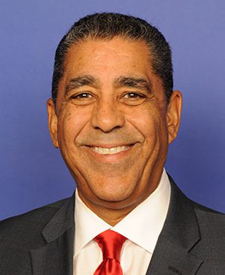



Legislative Progress
In CommitteeMr. Schneider (for himself, Mr. Fitzpatrick, Ms. Davids of Kansas, …
Referred to the House Committee on the Judiciary.
Introduced in House
Stakeholder Effects
cui bono?How this legislation distributes effects. Mention counts reflect frequency, not effect magnitude.
LGBTQ home seekers, Landlords, Real estate brokers
Positive-direction: LGBTQ home seekers
Negative-direction: Landlords, Real estate brokers
Fair housing organizations, People discriminated against by association, People targeted by perceived identity
Bill Structure & Actor Mappings
Who is "The Secretary" in each section?
We use a combination of our own taxonomy and classification in addition to large language models to assess meaning and potential beneficiaries. High confidence means strong textual evidence. Always verify with the original bill text.
Learn more about our methodology