Save America’s Rural Hospitals Act
Summary
What This Bill Does
The Save America's Rural Hospitals Act is a broad Medicare payment stabilization bill for rural providers. It begins from findings that more than 60 million rural residents rely on rural hospitals, that 151 rural hospitals had closed by May 1, 2025, and that 432 hospitals were operating at margins similar to recently closed hospitals. The bill exempts Medicare Part A and Part B payments to critical access hospitals, sole community hospitals, Medicare-dependent small rural hospitals, and rural subsection (d) hospitals from sequestration orders effective 60 days after enactment. It reverses bad-debt reimbursement cuts for rural hospitals and critical access hospitals. It permanently extends low-volume hospital and Medicare-dependent hospital payment levels beyond fiscal year 2025, extends disproportionate-share payment treatment for sole community hospitals and Medicare-dependent hospitals beginning in fiscal year 2026, and rebases target amounts using fiscal year 2024 or post-October 2025 cost reporting periods. It increases wage indexes for hospitals below the 25th percentile, creates a 0.85 inpatient area wage index floor and a 0.85 outpatient department wage adjustment floor with budget-neutral maximums, makes rural ground ambulance payment increases permanent, and makes Medicare telehealth service enhancements permanent for federally qualified health centers and rural health clinics. It also restores state authority to certify certain rural hospitals as necessary providers for critical access hospital designation despite the 35-mile rule, with eligibility tied to sole community, Medicare-dependent, low-volume, fewer-than-50-bed, poverty, health professional shortage area, Medicare/Medicaid patient share, negative operating margins, governance, solvency plans, and an application for CAH certification. HHS must issue final regulations within 120 days. The waiver pathway is capped at 175 facilities nationally and 10 per state.
Who Benefits and How
Critical access hospitals benefit from sequestration relief, bad-debt treatment, telehealth support, and possible designation flexibility. Sole community hospitals benefit from permanent payment extensions, disproportionate-share treatment, and rebased target amounts. Medicare-dependent small rural hospitals benefit from permanent payment levels and target amount rebasing. Rural Medicare beneficiaries benefit if hospitals, ambulances, FQHCs, and rural health clinics remain financially viable and close to home. Rural ambulance providers benefit from permanent increased Medicare payments. FQHCs and rural health clinics benefit from permanent Medicare telehealth payment enhancements.
Who Bears the Burden and How
CMS payment staff must implement sequestration exemptions, bad-debt changes, payment extensions, wage-index floors, and CAH designation rules. State health agencies must certify necessary-provider hospitals and assess governance and solvency plans. Federal taxpayers bear higher Medicare spending from rural provider payment increases and exemptions. Hospitals above budget-neutral wage-index maximums may face offsetting adjustments. HHS rulemaking staff must issue final regulations on the 35-mile waiver pathway within 120 days.
Key Provisions
- Exempts rural hospitals from Medicare sequestration.
- Restores rural hospital and critical access hospital bad-debt reimbursement treatment.
- Permanently extends low-volume hospital and Medicare-dependent hospital payment levels.
- Expands disproportionate-share and target-amount rules for sole community and Medicare-dependent hospitals.
- Creates area wage index and outpatient wage adjustment floors of 0.85 with budget-neutral offsets.
- Makes rural ground ambulance add-on payments and FQHC or rural health clinic telehealth enhancements permanent.
- Restores state authority to waive the 35-mile rule for up to 175 critical access hospital designations.
Evidence Chain:
This summary is generated from the full bill text using AI analysis. Expand "Detailed Analysis" below for identified beneficiaries/burden bearers with clause-level evidence links.
At a Glance
What This Bill Does
Makes a large package of Medicare rural-provider payment changes: exempts rural hospitals from Medicare sequestration, restores rural bad-debt reimbursement treatment, permanently extends low-volume hospital and Medicare-dependent hospital payment levels, adds disproportionate-share treatment for sole community and Medicare-dependent hospitals, rebases target amounts, raises low-wage area index floors, makes rural ambulance add-ons permanent, makes FQHC and rural health clinic telehealth payment enhancements permanent, and restores state authority to waive the 35-mile rule for up to 175 critical access hospital designations.
Key Policy Areas
Rural Health, Medicare, Hospitals
Primary Purpose
Makes a large package of Medicare rural-provider payment changes: exempts rural hospitals from Medicare sequestration, restores rural bad-debt reimbursement treatment, permanently extends low-volume hospital and Medicare-dependent hospital payment levels, adds disproportionate-share treatment for sole community and Medicare-dependent hospitals, rebases target amounts, raises low-wage area index floors, makes rural ambulance add-ons permanent, makes FQHC and rural health clinic telehealth payment enhancements permanent, and restores state authority to waive the 35-mile rule for up to 175 critical access hospital designations.
Policy Domains
Resolution provisions
Identified Gains
- Critical access hospitals
- Sole community hospitals
- Medicare-dependent rural hospitals
- Rural Medicare beneficiaries
- Rural ambulance providers
- Rural health clinics
Identified Costs
- CMS payment staff
- State health agencies
- Federal taxpayers
- Hospitals above wage-index maximums
- HHS rulemaking staff
Sponsors




Legislative Progress
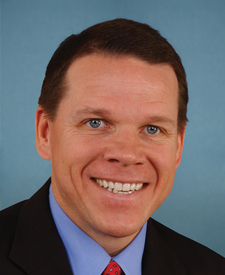
In CommitteeMr. Graves (for himself and Ms. Budzinski) introduced the following …
Referred to the Committee on Ways and Means, and in …
Introduced in House
Stakeholder Effects
cui bono?How this legislation distributes effects. Mention counts reflect frequency, not effect magnitude.
Critical access hospitals, Medicare-dependent rural hospitals, Rural ambulance providers
Bill Structure & Actor Mappings
Who is "The Secretary" in each section?
We use a combination of our own taxonomy and classification in addition to large language models to assess meaning and potential beneficiaries. High confidence means strong textual evidence. Always verify with the original bill text.
Learn more about our methodology