Financial Stability Oversight Council Improvement Act of 2025
Summary
What This Bill Does
The Financial Stability Oversight Council Improvement Act changes the process for designating a U.S. nonbank financial company as systemically important under section 113 of the Financial Stability Act of 2010. Before FSOC may vote on a proposed determination, it must first determine, in consultation with the company and the company's primary financial regulatory agency, that a different action would be impracticable or insufficient to mitigate the threat the company could pose to U.S. financial stability. Alternatives can include action by FSOC, action by the primary regulator such as new or heightened standards under section 120, or a written plan submitted promptly by the company.
Who Benefits and How
U.S. nonbank financial companies benefit because FSOC must consult with them and consider less burdensome alternatives before designation. Insurance companies, asset managers, finance companies, and other nonbank firms benefit from a higher procedural hurdle before Federal Reserve supervision and enhanced prudential standards can apply. Primary financial regulators benefit because their own regulatory actions must be considered before FSOC designation. Company compliance officers benefit because written company plans can be part of the alternative-action analysis. Investors and borrowers may benefit if firms avoid the cost and market stigma of designation when targeted alternatives are enough.
Who Bears the Burden and How
FSOC must conduct and document an alternatives analysis before voting on a proposed nonbank designation. The Treasury Department, as FSOC chair staff, must coordinate company consultation, primary-regulator consultation, and findings about whether alternatives are impracticable or insufficient. Primary financial regulatory agencies must participate in the analysis and may need to develop or apply alternatives. Financial stability advocates may bear a policy burden because designations become harder to complete. The Federal Reserve may receive fewer designated nonbank companies for supervision.
Key Provisions
- Requires FSOC to determine that alternative action is impracticable or insufficient before voting on a proposed nonbank designation.
- Requires consultation with the U.S. nonbank financial company before the vote.
- Requires consultation with the company's primary financial regulatory agency.
- Allows alternatives to include FSOC action, primary-regulator action, section 120 standards, safeguards, or a company-submitted written plan.
- Amends the annual reevaluation cross-reference so the new initial-determination requirement fits the existing section 113 process.
Evidence Chain:
This summary is generated from the full bill text using AI analysis. Expand "Detailed Analysis" below for identified beneficiaries/burden bearers with clause-level evidence links.
At a Glance
What This Bill Does
Requires the Financial Stability Oversight Council to consider and find alternative actions insufficient before voting to designate a U.S. nonbank financial company for Federal Reserve supervision and enhanced prudential standards.
Key Policy Areas
Financial Regulation, Systemic Risk, Banking
Primary Purpose
Requires the Financial Stability Oversight Council to consider and find alternative actions insufficient before voting to designate a U.S. nonbank financial company for Federal Reserve supervision and enhanced prudential standards.
Policy Domains
House resolution provisions
Identified Gains
- U.S. nonbank financial companies
- Insurance company managers
- Asset manager compliance officers
- Primary financial regulators
- Company compliance officers
- Investors and borrowers
Identified Costs
- Financial Stability Oversight Council
- Treasury Department
- Primary financial regulatory agencies
- Financial stability advocates
- Federal Reserve supervisors
Sponsors
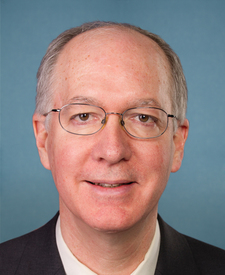
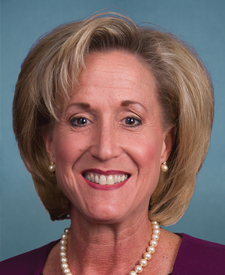
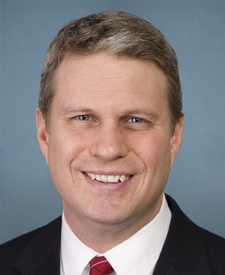
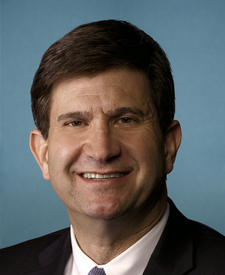
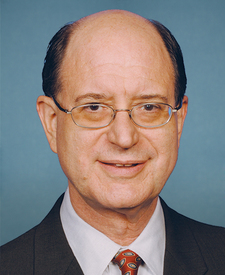
Legislative Progress
ReportedReceived in the Senate and Read twice and referred to …
Received; read twice and referred to the Committee on Banking, …
Motion to reconsider laid on the table Agreed to without …
Motion to reconsider laid on the table Agreed to without …
On motion to suspend the rules and pass the bill, …
Passed/agreed to in House: On motion to suspend the rules …
DEBATE - The House proceeded with forty minutes of debate …
Mr. Hill (AR) moved to suspend the rules and pass …
Additional sponsors: Mr. Gottheimer, Mrs. Kim, Mr. Sherman, Ms. Pettersen, …
Placed on the Union Calendar, Calendar No. 316.
Stakeholder Effects
cui bono?How this legislation distributes effects. Mention counts reflect frequency, not effect magnitude.
Asset manager compliance officers, Insurance company managers, U.S. nonbank financial companies
Financial Stability Oversight Council, Primary financial regulatory agencies
Bill Structure & Actor Mappings
Who is "The Secretary" in each section?
- "fsoc"
- → Financial Stability Oversight Council
- "treasury"
- → Treasury Department
- "federal_reserve"
- → Federal Reserve
We use a combination of our own taxonomy and classification in addition to large language models to assess meaning and potential beneficiaries. High confidence means strong textual evidence. Always verify with the original bill text.
Learn more about our methodology