To amend the Public Health Service Act to authorize certain grants (for youth suicide early intervention and prevention strategies) to be used for school personnel in elementary and secondary schools and students in secondary schools to receive student suicide awareness and prevention training, and for other purposes.
Analysis under review: This bill has generated analysis that may be too generic or incomplete. Clause-level evidence remains available below.
Summary
What This Bill Does
This bill, To amend the Public Health Service Act to authorize certain grants (for youth suicide early intervention and prevention strategies) to be used for school personnel in elementary and secondary schools and students in secondary schools to receive student suicide awareness and prevention training, and for other purposes., changes federal law or congressional policy affecting schools, students, and education providers. The main policy domain is Education, Healthcare, Labor.
Who Benefits and How
schools, students, and education providers may benefit from new authority, funding, eligibility, regulatory clarity, or reduced risk created by the bill.
Who Bears the Burden and How
federal implementing agencies, schools, students, and education providers may take on implementation duties, reporting obligations, compliance costs, or oversight responsibilities.
Key Provisions
- Section HEA067251FFA6460EA36012780E454749: 1. Short title This Act may be cited as the Cady Housh and Gemesha Thomas Student Suicide Prevention Act of 2023.
- Section HE2CC7E56CFFB48E6B67BF211F6422005: 2. Findings Congress finds the following: According to the National Institutes of Health, suicide is the second leading cause of death for young people between...
- Section H0105B58366E1408AA56F53C449914385: 3. Sense of Congress It is the sense of the Congress that— student suicide awareness, prevention training, and response materials should be available to all...
- Section H3EB64B628D6946DEBC4BE39134390D07: 4. Student suicide awareness and prevention training Section 520E(a) of the Public Health Service Act (42 U.S.C. 290bb–36(a)) is amended— in paragraph (4), by...
Evidence Chain:
This summary is generated from the full bill text using AI analysis. Expand "Detailed Analysis" below for identified beneficiaries/burden bearers with clause-level evidence links.
At a Glance
What This Bill Does
This bill, To amend the Public Health Service Act to authorize certain grants (for youth suicide early intervention and prevention strategies) to be used for school personnel in elementary and secondary schools and students in secondary schools to receive student suicide awareness and prevention training, and for other purposes., changes federal law or congressional policy affecting schools, students, and education providers.
Key Policy Areas
Education, Healthcare, Labor
Primary Purpose
This bill, To amend the Public Health Service Act to authorize certain grants (for youth suicide early intervention and prevention strategies) to be used for school personnel in elementary and secondary schools and students in secondary schools to receive student suicide awareness and prevention training, and for other purposes., changes federal law or congressional policy affecting schools, students, and education providers.
Policy Domains
Whole bill
Identified Gains
- schools, students, and education providers
Identified Costs
- federal implementing agencies
- schools, students, and education providers
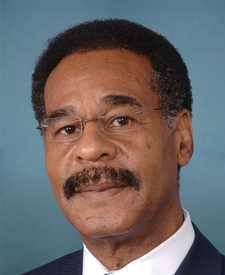
Sponsors




Legislative Progress
IntroducedMr. Cleaver (for himself, Mrs. McBath, Mr. Payne, Mr. Moulton, …
Impact analysis is available but no clear stakeholder effects identified. View clause-level analysis →
Bill Structure & Actor Mappings
Who is "The Secretary" in each section?
- "secretary_of_health_and_human_services"
- → Secretary of Health and Human Services
Key Definitions
Terms defined in this bill
informed by practices that— use the best available research and practice knowledge to guide program design and implementation
We use a combination of our own taxonomy and classification in addition to large language models to assess meaning and potential beneficiaries. High confidence means strong textual evidence. Always verify with the original bill text.
Learn more about our methodology