VET PFAS Act
Summary
What This Bill Does
The VET PFAS Act expands VA health care and disability-benefit rules for PFAS exposure at military installations. Beginning 90 days after enactment, a veteran who served on active duty at a covered military installation where individuals were exposed to PFOA or other PFAS, including through contaminated drinking-water wells, becomes eligible for VA hospital care and medical services for listed diseases even when medical evidence is insufficient to prove attribution. For PFOA, the listed conditions include diagnosed high cholesterol, ulcerative colitis, thyroid disease, testicular cancer, kidney cancer, and pregnancy-induced hypertension. For other PFAS, VA, consulting the Agency for Toxic Substances and Disease Registry, can include diseases with a positive association under the NDAA section 316 study. Specified reserve component service at exposed installations is treated as active duty for this purpose. The bill also creates section 1787A, making family members of covered veterans eligible for VA hospital care and medical services if they resided at the installation or were in utero while the mother resided there, for the same covered conditions, subject to advance appropriations, exclusion of conditions caused by something else under Under Secretary for Health guidelines, and exhaustion of reasonably available third-party payment claims. For three years after the NDAA PFAS study is submitted, VA must report annually to the House and Senate Veterans' Affairs Committees on the number of veterans and family members receiving care, conditions treated, denials and reasons, and pending eligibility decisions. A separate section creates a service-connection presumption for exposed veterans under chapter 11, treating covered diseases as incurred or aggravated in the line of duty and again including specified reserve service.
Who Benefits and How
Veterans exposed to PFAS at covered military installations benefit from VA care without having to prove definitive medical causation. Veterans with PFOA-linked conditions benefit because high cholesterol, ulcerative colitis, thyroid disease, testicular cancer, kidney cancer, and pregnancy-induced hypertension are listed. Family members who lived on contaminated installations benefit from VA care eligibility for covered diseases. Children exposed in utero benefit because the family-member care rule includes prenatal residence exposure. Reserve component members benefit when specified service at covered installations is treated as active service.
Who Bears the Burden and How
VA health care administrators must determine covered installations, eligibility, care delivery, denials, and annual reporting. VA disability claims staff must apply the new PFAS service-connection presumption. Agency for Toxic Substances and Disease Registry staff must consult with VA on positive associations for other PFAS conditions. Family members and providers must exhaust reasonably available third-party payment claims before VA reimbursement. Federal taxpayers bear the cost of expanded care and compensation exposure subject to appropriations.
Key Provisions
- Expands VA care eligibility for veterans exposed to PFOA or other PFAS at covered military installations.
- Lists PFOA-linked conditions including high cholesterol, ulcerative colitis, thyroid disease, testicular cancer, kidney cancer, and pregnancy-induced hypertension.
- Creates VA care eligibility for exposed family members and children exposed in utero.
- Requires third-party payment exhaustion and appropriations for family-member care.
- Creates a service-connection presumption for exposed veterans and treats specified reserve service as active service.
- Requires annual VA reports for three years on care, denials, pending claims, and covered conditions.
Evidence Chain:
This summary is generated from the full bill text using AI analysis. Expand "Detailed Analysis" below for identified beneficiaries/burden bearers with clause-level evidence links.
At a Glance
What This Bill Does
Makes veterans exposed to PFAS or PFOA at covered military installations eligible for VA hospital care and medical services for specified conditions without requiring conclusive medical attribution, extends similar care to exposed family members and children exposed in utero subject to appropriations and third-party exhaustion, creates a service-connection presumption for exposed veterans, treats certain reserve service as active service, and requires annual VA reports for three years.
Key Policy Areas
Veterans, Toxic Exposure, Health Care, PFAS
Primary Purpose
Makes veterans exposed to PFAS or PFOA at covered military installations eligible for VA hospital care and medical services for specified conditions without requiring conclusive medical attribution, extends similar care to exposed family members and children exposed in utero subject to appropriations and third-party exhaustion, creates a service-connection presumption for exposed veterans, treats certain reserve service as active service, and requires annual VA reports for three years.
Policy Domains
Resolution provisions
Identified Gains
- PFAS-exposed veterans
- Veterans with PFOA-linked conditions
- Exposed family members
- Children exposed in utero
- Reserve component members
Identified Costs
- VA health care administrators
- VA disability claims staff
- ATSDR staff
- Family-member care applicants
- Federal taxpayers
Sponsors


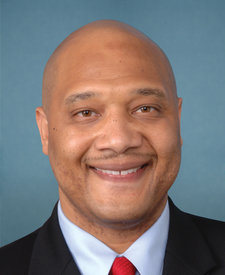


Legislative Progress
In CommitteeReferred to the Subcommittee on Health.
Mr. Lawler (for himself, Mr. Riley of New York, Mr. …
Referred to the House Committee on Veterans' Affairs.
Introduced in House
Stakeholder Effects
cui bono?How this legislation distributes effects. Mention counts reflect frequency, not effect magnitude.
Exposed family members, Family-member care applicants, Reserve component members
Positive-direction: Exposed family members, Reserve component members
Negative-direction: Family-member care applicants
PFAS-exposed veterans, Veterans with PFOA-linked conditions
VA disability claims staff, VA health care administrators
Bill Structure & Actor Mappings
Who is "The Secretary" in each section?
We use a combination of our own taxonomy and classification in addition to large language models to assess meaning and potential beneficiaries. High confidence means strong textual evidence. Always verify with the original bill text.
Learn more about our methodology