To amend title VI of the Civil Rights Act of 1964 to restore the right to individual civil actions in cases involving disparate impact, and for other purposes.
Analysis under review: This bill has generated analysis that may be too generic or incomplete. Clause-level evidence remains available below.
Summary
What This Bill Does
This bill, To amend title VI of the Civil Rights Act of 1964 to restore the right to individual civil actions in cases involving disparate impact, and for other purposes., changes federal law or congressional policy affecting schools, students, and education providers. The main policy domain is Education, Civil Rights, Government Operations.
Who Benefits and How
schools, students, and education providers may benefit from new authority, funding, eligibility, regulatory clarity, or reduced risk created by the bill.
Who Bears the Burden and How
federal implementing agencies, schools, students, and education providers may take on implementation duties, reporting obligations, compliance costs, or oversight responsibilities.
Key Provisions
- Section HE11A188CD5F745D0B63BB0D4697357A7: 1. Short title This Act may be cited as the Equity and Inclusion Enforcement Act of 2025.
- Section HDBDB39177D5140698C70B3F00E127A19: 2. Restoration of right to civil action in disparate impact cases under title VI of the Civil Rights Act of 1964 Title VI of the Civil Rights Act of 1964 (42...
- Section H11FBC0CA0B584EE3920F009369B347EE: 607. The violation of any regulation relating to disparate impact issued under section 602 that was promulgated and in effect on January 19, 2025, shall give...
- Section HE24E6BDF410F470E84FDF906A647949B: 3. Designation of monitors under title VI of the Civil Rights Act of 1964 Title VI of the Civil Rights Act of 1964 (42 U.S.C. 2000d et seq.) is further amended...
- Section H658C1CF584D840D6BD0B67EB99377114: 608. Each recipient shall— designate at least one employee to coordinate its efforts to comply with requirements adopted pursuant to section 602 and carry out...
Evidence Chain:
This summary is generated from the full bill text using AI analysis. Expand "Detailed Analysis" below for identified beneficiaries/burden bearers with clause-level evidence links.
At a Glance
What This Bill Does
This bill, To amend title VI of the Civil Rights Act of 1964 to restore the right to individual civil actions in cases involving disparate impact, and for other purposes., changes federal law or congressional policy affecting schools, students, and education providers.
Key Policy Areas
Education, Civil Rights, Government Operations
Primary Purpose
This bill, To amend title VI of the Civil Rights Act of 1964 to restore the right to individual civil actions in cases involving disparate impact, and for other purposes., changes federal law or congressional policy affecting schools, students, and education providers.
Policy Domains
Whole bill
Identified Gains
- schools, students, and education providers
Identified Costs
- federal implementing agencies
- schools, students, and education providers
Sponsors
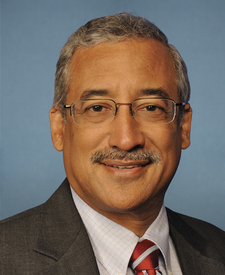




Legislative Progress
IntroducedMr. Scott of Virginia (for himself, Mr. Raskin, Ms. Tlaib, …
Impact analysis is available but no clear stakeholder effects identified. View clause-level analysis →
Bill Structure & Actor Mappings
Who is "The Secretary" in each section?
- "secretary_of_education"
- → Secretary of Education
We use a combination of our own taxonomy and classification in addition to large language models to assess meaning and potential beneficiaries. High confidence means strong textual evidence. Always verify with the original bill text.
Learn more about our methodology