National ACERT Grant Program Authorization Act
Summary
What This Bill Does
The National ACERT Grant Program Authorization Act adds a grant program for adverse childhood experiences response teams to the Omnibus Crime Control and Safe Streets Act. The Attorney General, in coordination with the Health and Human Services Secretary, may award grants to States, local governments, Indian Tribes, and neighborhood or community-based organizations. Funds can establish protocols for children and youth exposed to trauma, create referral partnership agreements with behavioral health treatment, substance-use treatment, and recovery facilities for affected family members, integrate law enforcement, mental health, and crisis services, build comprehensive trauma-informed programs, identify barriers to care, train emergency response providers, victim service providers, child protective service professionals, educational institutions, and community partners, and support cross-system planning among law enforcement, courts, child welfare, reentry, emergency medical services, health, public health, substance-use treatment, and recovery systems. The practical effect is to make ACERT models fundable as a coordinated violence-prevention and trauma-response infrastructure.
Who Benefits and How
Children exposed to trauma benefit from protocols that identify adverse childhood experiences and connect them to services earlier. Families affected by violence or substance-use crises benefit from referral agreements with treatment and recovery providers. Local governments benefit from grant funding to coordinate law enforcement, mental health, child welfare, schools, courts, and EMS. Community-based organizations benefit because they can receive grants and participate in trauma-informed response teams.
Who Bears the Burden and How
Department of Justice grant staff must run the ACERT grant program and coordinate with HHS. Grant recipients must build protocols, partnerships, cross-system plans, training, and service pathways. Behavioral health providers and recovery facilities must coordinate referrals for affected family members. Federal taxpayers bear the cost of the new grant authority.
Key Provisions
- Creates DOJ grants for Adverse Childhood Experiences Response Teams.
- Allows States, local governments, Indian Tribes, and community organizations to receive grants.
- Funds trauma protocols, referral agreements, integrated crisis response, training, and cross-system planning.
- Coordinates law enforcement, behavioral health, child welfare, courts, schools, EMS, and recovery services.
- Uses HHS coordination to connect public-safety response with health and trauma-informed care.
Evidence Chain:
This summary is generated from the full bill text using AI analysis. Expand "Detailed Analysis" below for identified beneficiaries/burden bearers with clause-level evidence links.
At a Glance
What This Bill Does
Authorizes a Justice Department grant program for Adverse Childhood Experiences Response Teams that coordinate law enforcement, behavioral health, child welfare, schools, courts, emergency response, substance-use treatment, recovery services, victim services, and community partners to identify children exposed to trauma and connect families to trauma-informed care.
Key Policy Areas
Public Safety, Child Welfare, Behavioral Health
Primary Purpose
Authorizes a Justice Department grant program for Adverse Childhood Experiences Response Teams that coordinate law enforcement, behavioral health, child welfare, schools, courts, emergency response, substance-use treatment, recovery services, victim services, and community partners to identify children exposed to trauma and connect families to trauma-informed care.
Policy Domains
Resolution provisions
Identified Gains
- Children exposed to trauma
- Families affected by violence
- Local governments
- Community-based organizations
Identified Costs
- Department of Justice grant staff
- Grant recipients
- Behavioral health providers
- Federal taxpayers
Sponsors
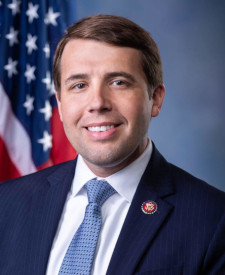


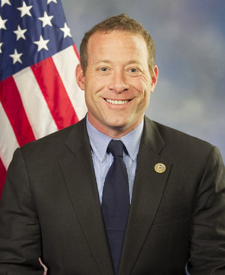

Legislative Progress
In CommitteeMr. Pappas (for himself and Mr. Rutherford) introduced the following …
Referred to the House Committee on the Judiciary.
Introduced in House
Stakeholder Effects
cui bono?How this legislation distributes effects. Mention counts reflect frequency, not effect magnitude.
Families affected by violence, Grant recipients
Positive-direction: Families affected by violence
Negative-direction: Grant recipients
Bill Structure & Actor Mappings
Who is "The Secretary" in each section?
We use a combination of our own taxonomy and classification in addition to large language models to assess meaning and potential beneficiaries. High confidence means strong textual evidence. Always verify with the original bill text.
Learn more about our methodology