Carla Walker Act
Summary
What This Bill Does
The Carla Walker Act adds forensic genetic genealogy grants to the Omnibus Crime Control and Safe Streets Act. The Attorney General may award competitive grants to States, Tribal and local law enforcement agencies, prosecutor offices with forensic laboratory capability, medical examiner offices, and coroner offices to use whole-genome sequencing technology that assesses at least 100,000 genetic markers and can generate profiles searchable in law-enforcement-permitted genealogical databases. The money is aimed at cases where CODIS has not produced a lead, including criminal investigations and unidentified human remains. A separate grant category helps publicly funded accredited labs, medical examiner offices, and coroner offices buy forensic equipment, supplies, reagents, consumables, validation work, and other costs needed for forensic genetic genealogy DNA analysis and searching. The bill authorizes $5 million per year for fiscal years 2024 through 2028 for equipment grants, permits outsourcing to qualified forensic laboratories, requires records that DOJ can audit, requires grantee reports on cases tested, outsourcing, equipment, results, identifications, arrests, and time to identification, and directs DOJ to report on implementation and future funding or regulatory needs.
Who Benefits and How
State law enforcement agencies benefit from grant funding to pursue genetic genealogy leads when CODIS searches fail. Families of unidentified decedents benefit because medical examiner and coroner offices can use searchable DNA profiles to identify remains. Forensic genetic genealogy laboratories benefit from new demand for sequencing, profile generation, validation, and outsourced casework. Prosecutor offices with forensic labs benefit from funding to develop leads in cold cases and violent-crime investigations.
Who Bears the Burden and How
Department of Justice grant staff must write guidance, review applications, audit records, and report on implementation. Grant recipient laboratories must maintain records on outsourcing, sample handling, data disposition, equipment, and case outcomes. Medical examiner offices and coroner offices must track case results and report detailed metrics to DOJ. Federal taxpayers fund the new grant stream and equipment assistance.
Key Provisions
- Creates DOJ grants for whole-genome forensic genetic genealogy when CODIS has not solved a case.
- Authorizes equipment grants for publicly funded forensic labs, medical examiner offices, and coroner offices.
- Allows qualified outsourcing while requiring audit records and compliance with DOJ sample and data controls.
- Requires grantee reports on cases tested, profiles generated, identifications, arrests, and time to identification.
- Directs DOJ to evaluate implementation and future funding or regulatory needs.
Evidence Chain:
This summary is generated from the full bill text using AI analysis. Expand "Detailed Analysis" below for identified beneficiaries/burden bearers with clause-level evidence links.
At a Glance
What This Bill Does
Creates Carla Walker Act Justice Department grants for forensic genetic genealogy DNA analysis, searchable DNA-profile leads, forensic equipment, recordkeeping, grant reporting, and a DOJ review of how publicly funded labs can use the technology when CODIS has not solved a case.
Key Policy Areas
Criminal Justice, Forensics, Public Safety
Primary Purpose
Creates Carla Walker Act Justice Department grants for forensic genetic genealogy DNA analysis, searchable DNA-profile leads, forensic equipment, recordkeeping, grant reporting, and a DOJ review of how publicly funded labs can use the technology when CODIS has not solved a case.
Policy Domains
Resolution provisions
Identified Gains
- State law enforcement agencies
- Families of unidentified decedents
- Forensic genetic genealogy laboratories
- Prosecutor offices
Identified Costs
- Department of Justice grant staff
- Grant recipient laboratories
- Medical examiner offices
- Federal taxpayers
Sponsors
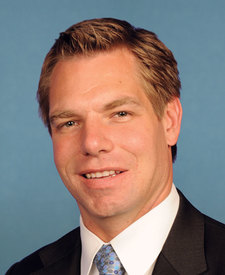
Legislative Progress
In CommitteeMr. Hunt introduced the following bill; which was referred to …
Referred to the House Committee on the Judiciary.
Introduced in House
Stakeholder Effects
cui bono?How this legislation distributes effects. Mention counts reflect frequency, not effect magnitude.
State law enforcement agencies, Tribal law enforcement agencies
Families of unidentified decedents, Medical examiner offices
Forensic genetic genealogy laboratories, Grant recipient laboratories
Positive-direction: Forensic genetic genealogy laboratories
Negative-direction: Grant recipient laboratories
Bill Structure & Actor Mappings
Who is "The Secretary" in each section?
We use a combination of our own taxonomy and classification in addition to large language models to assess meaning and potential beneficiaries. High confidence means strong textual evidence. Always verify with the original bill text.
Learn more about our methodology