FORCE Act
Summary
What This Bill Does
The FORCE Act amends title VII of the Defense Production Act. It requires the President to establish a National Defense Executive Reserve to improve federal preparedness for national defense emergencies by allowing private persons with unique expertise to volunteer, train for, and be temporarily employed in federal positions at agencies with reserve units. The Reserve is intended to augment federal capacity during emergencies without permanently expanding the full-time workforce and to establish controls and oversight before activation to avoid conflicts of interest or other harms. The President must require units at the Department of Commerce, Department of Defense, Department of Homeland Security, and any other appropriate agencies, with the three named agencies establishing units within 180 days after final rules. The President may activate reserve units during a national defense emergency. The bill also revises Defense Production Act voluntary-agreement provisions: presidential authority may be delegated to federal agency heads with delegated DPA authority, Commerce must issue rules after Attorney General approval for voluntary agreements and plans of action, rules must be published at least 30 days before effective date, and multiple references to consultation with or involvement by the Federal Trade Commission are removed or replaced with Commerce.
Who Benefits and How
Federal emergency managers benefit from a pre-trained private-expert reserve for national defense emergencies. Private-sector experts benefit from a formal volunteer pathway into temporary federal emergency service. Commerce Department officials benefit from a larger role in reserve units and voluntary-agreement rulemaking. Defense and Homeland Security agencies benefit from reserve units that can augment emergency capacity.
Who Bears the Burden and How
Participating private experts must comply with conflict-of-interest controls and temporary federal employment rules. Commerce, Defense, and Homeland Security must establish reserve units after final rules. The President must create activation and oversight structures for national defense emergencies. FTC staff lose consultation roles in several voluntary-agreement procedures. Attorney General staff must approve Commerce voluntary-agreement rules.
Key Provisions
- Establishes a National Defense Executive Reserve under the Defense Production Act.
- Requires reserve units at Commerce, Defense, Homeland Security, and other agencies designated by the President.
- Allows private experts to volunteer, train, and temporarily serve in federal positions during national defense emergencies.
- Requires conflict controls and oversight before reserve activation.
- Revises DPA voluntary-agreement procedures and shifts rulemaking responsibility to Commerce with Attorney General approval.
- Removes multiple Federal Trade Commission consultation references from voluntary-agreement provisions.
Evidence Chain:
This summary is generated from the full bill text using AI analysis. Expand "Detailed Analysis" below for identified beneficiaries/burden bearers with clause-level evidence links.
At a Glance
What This Bill Does
Recreates the National Defense Executive Reserve under the Defense Production Act so private experts can volunteer, train for, and temporarily serve in federal positions during national defense emergencies, requires Commerce, Defense, Homeland Security, and other designated agencies to establish reserve units, creates conflict-control rules before activation, and shifts voluntary-agreement procedures toward Commerce and Attorney General-approved rules.
Key Policy Areas
Defense Production Act, Emergency Preparedness, Federal Workforce, Private Sector
Primary Purpose
Recreates the National Defense Executive Reserve under the Defense Production Act so private experts can volunteer, train for, and temporarily serve in federal positions during national defense emergencies, requires Commerce, Defense, Homeland Security, and other designated agencies to establish reserve units, creates conflict-control rules before activation, and shifts voluntary-agreement procedures toward Commerce and Attorney General-approved rules.
Policy Domains
Resolution provisions
Identified Gains
- Federal emergency managers
- Private-sector experts
- Commerce Department officials
- Defense agencies
- Homeland Security agencies
Identified Costs
- Participating private experts
- Commerce reserve units
- Defense reserve units
- Homeland Security reserve units
- FTC staff
- Attorney General staff
Sponsors
Legislative Progress
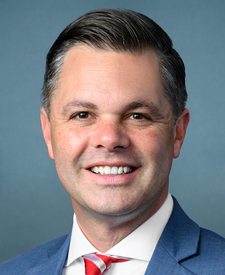
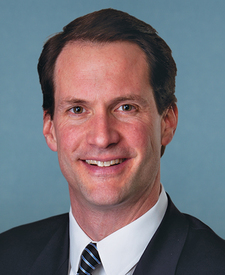
In CommitteeMr. Nunn of Iowa (for himself and Mr. Himes) introduced …
Referred to the House Committee on Financial Services.
Introduced in House
Stakeholder Effects
cui bono?How this legislation distributes effects. Mention counts reflect frequency, not effect magnitude.
Attorney General staff, Commerce Department officials, FTC staff
Positive-direction: Federal emergency managers, Homeland Security agencies
Negative-direction: Attorney General staff
Participating private experts, Private-sector experts
Positive-direction: Private-sector experts
Negative-direction: Participating private experts
Bill Structure & Actor Mappings
Who is "The Secretary" in each section?
We use a combination of our own taxonomy and classification in addition to large language models to assess meaning and potential beneficiaries. High confidence means strong textual evidence. Always verify with the original bill text.
Learn more about our methodology