Veteran Wildland Firefighter Employment Act of 2025
Summary
What This Bill Does
The Veteran Wildland Firefighter Employment Act of 2025 directs the VA Secretary, coordinated with the Agriculture and Interior Secretaries, to establish a pilot program employing veterans in wildland firefighting activities. VA administers the pilot. Agriculture and Interior identify vacant USDA and DOI positions appropriate for participating veterans and, to the extent practicable, employ those veterans. Veterans employed under the pilot are treated as federal employees. VA must create best-practice guidelines for federal programs employing veterans transitioning from the Armed Forces, including lessons from VA's Warrior Training Advancement Course and cost-saving methods. VA, Agriculture, Interior, and DOD may partner to include the pilot in the SkillBridge program. Within 60 days of enactment, VA and the other Secretaries must report to specified agriculture, natural resources, energy, and veterans committees on how the pilot will reduce veteran unemployment and any legislative recommendations. One year after commencement they must report on implementation, and 30 days after conclusion they must report application counts, employment counts, transitions to full-time federal positions, and other effectiveness information. Authority ends two years after the pilot starts.
Who Benefits and How
Veterans transitioning from military service benefit from a pathway into federal wildland firefighting jobs. USDA wildland fire programs benefit from a new veteran hiring pipeline for vacant positions. Interior wildland fire programs benefit from additional firefighter and support staffing capacity. Veterans using SkillBridge benefit if the pilot is connected to transition training.
Who Bears the Burden and How
VA staff must administer the pilot, issue best-practice guidelines, and file three congressional reports. USDA and Interior staff must identify vacancies and employ veterans where practicable. DOD SkillBridge staff may need to coordinate with VA and land management agencies. Federal taxpayers bear the cost of pilot administration and employee compensation.
Key Provisions
- Creates a VA-administered pilot to employ veterans in wildland firefighting activities.
- Requires Agriculture and Interior to identify appropriate vacant positions and employ selected veterans where practicable.
- Treats participating veterans as federal employees.
- Authorizes a SkillBridge partnership and requires VA best-practice guidelines.
- Requires reports within 60 days, after one year, and after pilot conclusion.
- Terminates pilot authority two years after commencement.
Evidence Chain:
This summary is generated from the full bill text using AI analysis. Expand "Detailed Analysis" below for identified beneficiaries/burden bearers with clause-level evidence links.
At a Glance
What This Bill Does
Creates a two-year VA-administered pilot program, coordinated with Agriculture and Interior, to employ veterans in federal wildland firefighting positions, identify USDA and Interior vacancies, potentially connect the pilot to SkillBridge, issue best-practice guidelines for veteran employment programs, and report to Congress before, during, and after implementation.
Key Policy Areas
Veterans, Wildland Fire, Federal Workforce
Primary Purpose
Creates a two-year VA-administered pilot program, coordinated with Agriculture and Interior, to employ veterans in federal wildland firefighting positions, identify USDA and Interior vacancies, potentially connect the pilot to SkillBridge, issue best-practice guidelines for veteran employment programs, and report to Congress before, during, and after implementation.
Policy Domains
Resolution provisions
Identified Gains
- Veterans transitioning from military service
- USDA wildland fire programs
- Interior wildland fire programs
- Veterans using SkillBridge
Identified Costs
- VA workforce staff
- USDA hiring staff
- Interior hiring staff
- DOD SkillBridge staff
- Federal taxpayers
Sponsors

Legislative Progress
In CommitteeReferred to the Subcommittee on Economic Opportunity.
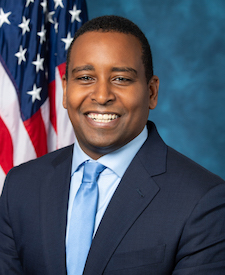
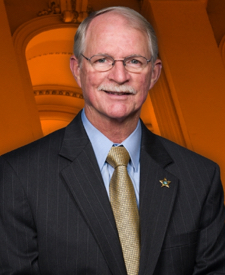
Mr. Neguse (for himself and Mr. Fitzpatrick) introduced the following …
Referred to the Committee on Veterans' Affairs, and in addition …
Introduced in House
Stakeholder Effects
cui bono?How this legislation distributes effects. Mention counts reflect frequency, not effect magnitude.
Interior hiring staff, USDA hiring staff, VA workforce staff
Veterans transitioning from military service, Veterans using SkillBridge
Interior wildland fire programs, USDA wildland fire programs
Bill Structure & Actor Mappings
Who is "The Secretary" in each section?
We use a combination of our own taxonomy and classification in addition to large language models to assess meaning and potential beneficiaries. High confidence means strong textual evidence. Always verify with the original bill text.
Learn more about our methodology