Critical Businesses Preparedness Act
Summary
What This Bill Does
The Critical Businesses Preparedness Act adds new Internal Revenue Code section 45BB. A specified taxpayer receives a qualified disaster preparedness electric generator expenses credit equal to 30 percent of qualified expenses paid or incurred during the taxable year. A specified taxpayer is a trade or business Treasury determines, after consulting FEMA, to be critical after a flood or hurricane; the bill says this must include hospitals, nursing homes, grocery stores, and gas stations. Qualified expenses are amounts paid or incurred for an electric generator, including installation costs, placed in service in a high-risk disaster area and used in the critical business. High-risk disaster areas are areas Treasury determines, after FEMA consultation, to be at high risk of flooding or hurricanes. Expenses receiving the credit cannot also receive another deduction or credit to the extent of the credit, and the property's basis is reduced by the credit amount.
Who Benefits and How
Hospitals in high-risk flood or hurricane areas benefit from a 30 percent credit for generator and installation costs. Nursing homes benefit from tax support for backup power that protects residents during disasters. Grocery stores benefit from lower after-tax costs for generators that keep food and supplies available after storms. Gas stations benefit from generator support that can preserve fuel access after hurricanes or floods.
Who Bears the Burden and How
Treasury tax staff must define critical businesses and high-risk disaster areas after FEMA consultation. FEMA staff must support Treasury determinations about critical businesses and disaster-risk areas. Businesses claiming the credit must track qualified expenses, avoid double benefits, and reduce basis. Federal revenue falls by the amount of allowed generator credits.
Key Provisions
- Creates a 30 percent tax credit for qualified disaster preparedness electric generator expenses.
- Includes generator purchase and installation costs placed in service in high-risk flood or hurricane areas.
- Requires Treasury to determine critical businesses after consulting FEMA and includes hospitals, nursing homes, grocery stores, and gas stations.
- Prohibits double deductions or credits for credited expenses and reduces property basis by the credit amount.
Evidence Chain:
This summary is generated from the full bill text using AI analysis. Expand "Detailed Analysis" below for identified beneficiaries/burden bearers with clause-level evidence links.
At a Glance
What This Bill Does
Creates a 30 percent business tax credit for electric generators, including installation costs, placed in service by critical businesses in high-risk flood or hurricane areas, with Treasury determining eligible critical businesses after FEMA consultation and including hospitals, nursing homes, grocery stores, and gas stations.
Key Policy Areas
Tax, Disaster Preparedness, Small Business, Energy Resilience
Primary Purpose
Creates a 30 percent business tax credit for electric generators, including installation costs, placed in service by critical businesses in high-risk flood or hurricane areas, with Treasury determining eligible critical businesses after FEMA consultation and including hospitals, nursing homes, grocery stores, and gas stations.
Policy Domains
Resolution provisions
Identified Gains
- Hospitals
- Nursing homes
- Grocery stores
- Gas stations
Identified Costs
- Treasury tax staff
- FEMA staff
- Businesses claiming the credit
- Federal revenue
Legislative Progress
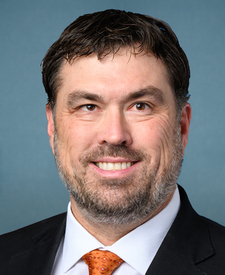
In CommitteeMr. Luttrell introduced the following bill; which was referred to …
Referred to the House Committee on Ways and Means.
Introduced in House
Stakeholder Effects
cui bono?How this legislation distributes effects. Mention counts reflect frequency, not effect magnitude.
Bill Structure & Actor Mappings
Who is "The Secretary" in each section?
We use a combination of our own taxonomy and classification in addition to large language models to assess meaning and potential beneficiaries. High confidence means strong textual evidence. Always verify with the original bill text.
Learn more about our methodology