Wildlife Confiscations Network Act of 2025
Summary
What This Bill Does
The Wildlife Confiscations Network Act of 2025 responds to wildlife trafficking and live-animal seizures at U.S. ports and borders, citing U.S. Fish and Wildlife Service data from 2015 to 2019 involving 834 live-wildlife interdiction cases and 48,793 individual animals. It defines confiscated animals as CITES, threatened, or endangered species seized at or en route to or from a U.S. port or border and placed at a qualified animal care facility. Qualified facilities can include zoological facilities, aquarium facilities, wildlife sanctuaries, animal rescue organizations, animal rehabilitation organizations, nongovernmental organizations, and universities reviewed by the Network committee that already care for CITES or threatened or endangered species or have relevant expertise and recent confiscated-animal care experience. The Interior Secretary, acting through the U.S. Fish and Wildlife Service Director, must establish a voluntary cooperative Wildlife Confiscations Network in partnership with a professional accrediting zoological association with existing capacity and expertise. The Network must create care and welfare response protocols, maintain a database of qualified animal care facilities for triage and long-term care, establish a committee to review and approve or reject applications, and act as the single point of contact for federal wildlife law enforcement agencies needing placement and care. The committee includes representatives from FWS, the accrediting zoological association partner, and participating facility categories. The bill authorizes $5 million for each fiscal year 2026 through 2030.
Who Benefits and How
Federal wildlife law enforcement agencies benefit from a single point of contact for placing seized live wildlife. Confiscated CITES animals benefit from triage, quarantine, long-term housing, and care protocols. Qualified zoos and aquariums benefit from formal network participation and potential support for confiscated-animal care. Wildlife sanctuaries and rescue organizations benefit from a recognized role in federal placement decisions. U.S. Fish and Wildlife Service officers benefit from added capacity beyond port holding facilities.
Who Bears the Burden and How
The U.S. Fish and Wildlife Service must establish the network, participate in the committee, and coordinate placements. Professional zoological association staff must administer the partnership and help assess facility capacity. Applicant facilities must document permits, licenses, credentials, and responsible care capability. Federal taxpayers bear the authorized $5 million per year cost from fiscal 2026 through 2030.
Key Provisions
- Establishes a voluntary cooperative Wildlife Confiscations Network through FWS and a professional zoological association.
- Creates response protocols for care and welfare of confiscated animals.
- Requires a database of qualified facilities for immediate triage and long-term housing.
- Creates a committee to approve or reject applications from sanctuaries, aquariums, zoos, rescue organizations, rehabilitation organizations, universities, and NGOs.
- Makes the Network the single point of contact for federal wildlife law enforcement placement and care assistance.
- Authorizes $5 million per year for fiscal 2026 through 2030.
Evidence Chain:
This summary is generated from the full bill text using AI analysis. Expand "Detailed Analysis" below for identified beneficiaries/burden bearers with clause-level evidence links.
At a Glance
What This Bill Does
Requires the Interior Secretary, through the U.S. Fish and Wildlife Service, to establish a voluntary Wildlife Confiscations Network with a professional accrediting zoological association to place and care for confiscated CITES, threatened, and endangered animals, maintain a database of qualified facilities, review applicants through a network committee, serve as the single point of contact for federal wildlife law enforcement, and authorizes $5 million per year for fiscal 2026 through 2030.
Key Policy Areas
Wildlife, Law Enforcement, Animal Care, Appropriations
Primary Purpose
Requires the Interior Secretary, through the U.S. Fish and Wildlife Service, to establish a voluntary Wildlife Confiscations Network with a professional accrediting zoological association to place and care for confiscated CITES, threatened, and endangered animals, maintain a database of qualified facilities, review applicants through a network committee, serve as the single point of contact for federal wildlife law enforcement, and authorizes $5 million per year for fiscal 2026 through 2030.
Policy Domains
Resolution provisions
Identified Gains
- Federal wildlife law enforcement agencies
- Confiscated CITES animals
- Qualified zoos
- Wildlife sanctuaries
- U.S. Fish and Wildlife Service officers
Identified Costs
- U.S. Fish and Wildlife Service
- Professional zoological association staff
- Applicant facilities
- Federal taxpayers
Sponsors
Legislative Progress
In CommitteeSubcommittee Hearings Held
Referred to the Subcommittee on Water, Wildlife and Fisheries.
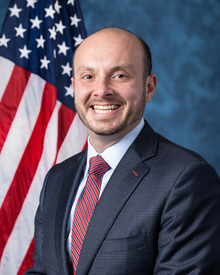
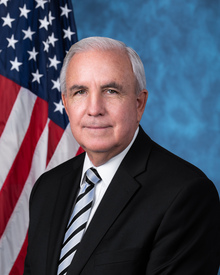
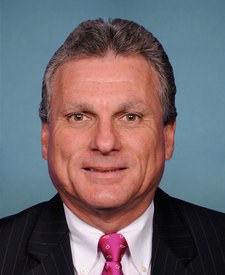
Mr. Garbarino (for himself and Mr. Quigley) introduced the following …
Referred to the House Committee on Natural Resources.
Introduced in House
Stakeholder Effects
cui bono?How this legislation distributes effects. Mention counts reflect frequency, not effect magnitude.
Professional zoological association staff, Qualified zoos
Positive-direction: Qualified zoos
Negative-direction: Professional zoological association staff
U.S. Fish and Wildlife Service, U.S. Fish and Wildlife Service officers
Positive-direction: U.S. Fish and Wildlife Service officers
Negative-direction: U.S. Fish and Wildlife Service
Bill Structure & Actor Mappings
Who is "The Secretary" in each section?
We use a combination of our own taxonomy and classification in addition to large language models to assess meaning and potential beneficiaries. High confidence means strong textual evidence. Always verify with the original bill text.
Learn more about our methodology