Striking and Locked Out Workers Healthcare Protection Act
Summary
What This Bill Does
The Striking and Locked Out Workers Healthcare Protection Act amends NLRA section 8(a). It makes it an unfair labor practice for an employer to terminate or alter an employee's group health plan coverage while the employer is locking out, suspending, or otherwise withholding employment to influence the employee or the employee's representative in collective bargaining before a strike. It also makes it an unfair labor practice to terminate or alter group health coverage while an employee is engaged in a lawful strike. The bill defines group health plan by reference to ERISA section 607(1). It amends NLRA penalties so an employer committing the lockout-related unfair labor practice faces a civil penalty up to $75,000 per violation, doubled up to $150,000 when the violation coincides with discharge or serious economic harm and the employer had a prior section 8(a)(6) violation in the preceding five years. A strike-related coverage violation carries a penalty up to $50,000, doubled up to $100,000 under similar repeat serious-harm conditions. Penalties are in addition to other NLRB remedies. Directors or officers may be personally liable if they directed or committed the violation or knew of it and had authority to prevent it but failed to do so.
Who Benefits and How
Striking workers benefit because lawful strike participation cannot be met with terminated or altered group health coverage. Locked-out workers benefit because employers cannot use health coverage changes to influence collective bargaining. Labor unions benefit from stronger protection against employer pressure during strikes and lockouts. NLRB enforcement staff benefit from explicit penalty authority for health coverage retaliation.
Who Bears the Burden and How
Employers in labor disputes must maintain group health plan coverage during lockouts and lawful strikes. Corporate officers may face personal civil penalties if they direct or knowingly fail to prevent violations. Employer health plan administrators must avoid coverage changes tied to strikes or lockouts. Repeat violators face doubled penalties when violations coincide with discharge or serious economic harm.
Key Provisions
- Adds lockout-related health coverage termination or alteration as an NLRA unfair labor practice.
- Adds lawful-strike health coverage termination or alteration as an NLRA unfair labor practice.
- Sets civil penalties up to $75,000 or $150,000 for lockout-related violations.
- Sets civil penalties up to $50,000 or $100,000 for strike-related violations.
- Authorizes personal liability for directors or officers in specified circumstances.
Evidence Chain:
This summary is generated from the full bill text using AI analysis. Expand "Detailed Analysis" below for identified beneficiaries/burden bearers with clause-level evidence links.
At a Glance
What This Bill Does
Makes it an unfair labor practice under the National Labor Relations Act for employers to terminate or alter group health plan coverage during lockouts, pre-strike employment withholding, or lawful strikes, and adds civil penalties up to $75,000 or $150,000 for lockout-related coverage violations and up to $50,000 or $100,000 for strike-related coverage violations, with possible director or officer liability.
Key Policy Areas
Labor, Health Insurance, Collective Bargaining
Primary Purpose
Makes it an unfair labor practice under the National Labor Relations Act for employers to terminate or alter group health plan coverage during lockouts, pre-strike employment withholding, or lawful strikes, and adds civil penalties up to $75,000 or $150,000 for lockout-related coverage violations and up to $50,000 or $100,000 for strike-related coverage violations, with possible director or officer liability.
Policy Domains
Resolution provisions
Identified Gains
- Striking workers
- Locked-out workers
- Labor unions
- NLRB enforcement staff
Identified Costs
- Employers in labor disputes
- Corporate officers
- Employer health plan administrators
- Repeat violators
Sponsors

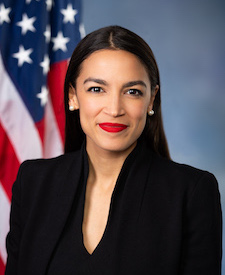
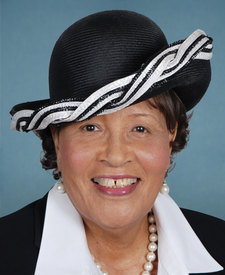

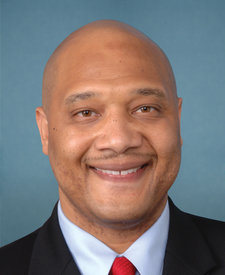
Legislative Progress
In CommitteeMr. Deluzio (for himself and Ms. McBride) introduced the following …
Referred to the House Committee on Education and Workforce.
Introduced in House
Stakeholder Effects
cui bono?How this legislation distributes effects. Mention counts reflect frequency, not effect magnitude.
Employers in labor disputes, Labor unions, Locked-out workers
Positive-direction: Labor unions, Locked-out workers, Striking workers
Negative-direction: Employers in labor disputes
Bill Structure & Actor Mappings
Who is "The Secretary" in each section?
We use a combination of our own taxonomy and classification in addition to large language models to assess meaning and potential beneficiaries. High confidence means strong textual evidence. Always verify with the original bill text.
Learn more about our methodology