Protecting Older Workers Against Discrimination Act of 2025
Summary
What This Bill Does
The Protecting Older Workers Against Discrimination Act of 2025 amends the Age Discrimination in Employment Act and related employment-discrimination statutes. It provides that an unlawful practice is established when the complaining party demonstrates that age, race, color, religion, sex, national origin, disability, or protected activity was a motivating factor for a practice, even though other factors also motivated it. The bill defines demonstrates as meeting the burdens of production and persuasion. If the individual proves the motivating-factor violation but the respondent proves it would have taken the same action without the impermissible factor, the court may grant declaratory relief, certain injunctive relief, and attorney fees and costs directly attributable to the motivating-factor claim, but may not award damages or order admission, reinstatement, hiring, promotion, or payment. The bill applies the framework to federal-sector age claims, Title VII, and other covered employment-discrimination provisions, applies to all claims pending on or after enactment, and includes severability.
Who Benefits and How
Older workers benefit because age need only be shown as a motivating factor, not the exclusive cause, to establish an unlawful practice. Civil rights plaintiffs benefit from the same motivating-factor standard across race, color, religion, sex, national origin, disability, and retaliation claims. Employment-discrimination attorneys benefit from clearer standards for mixed-motive claims and attorney-fee eligibility. Workers with pending claims benefit because the Act applies to claims pending on or after enactment.
Who Bears the Burden and How
Employers defending discrimination claims face greater liability exposure when protected status was one motivating factor. Federal agencies as employers must apply the motivating-factor standard to federal-sector age claims. Courts must apply limited-remedy rules when an employer proves the same-decision defense. Respondents still avoid damages, reinstatement, hiring, promotion, or payment when they prove they would have taken the same action anyway.
Key Provisions
- Amends the ADEA to establish liability when age or protected activity was a motivating factor.
- Extends the motivating-factor approach to other employment-discrimination statutes.
- Limits remedies to declaratory relief, some injunctive relief, and attributable attorney fees when the same-decision defense is proven.
- Applies the Act to claims pending on or after enactment.
Evidence Chain:
This summary is generated from the full bill text using AI analysis. Expand "Detailed Analysis" below for identified beneficiaries/burden bearers with clause-level evidence links.
At a Glance
What This Bill Does
Restores a mixed-motive standard for age and other employment-discrimination claims by making a protected trait or protected activity sufficient when it is a motivating factor, while limiting remedies if the employer proves it would have taken the same action anyway, and applies the changes to claims pending on or after enactment.
Key Policy Areas
Labor, Civil Rights, Employment Discrimination
Primary Purpose
Restores a mixed-motive standard for age and other employment-discrimination claims by making a protected trait or protected activity sufficient when it is a motivating factor, while limiting remedies if the employer proves it would have taken the same action anyway, and applies the changes to claims pending on or after enactment.
Policy Domains
Resolution provisions
Identified Gains
- Older workers
- Civil rights plaintiffs
- Employment-discrimination attorneys
- Workers with pending claims
Identified Costs
- Employers defending discrimination claims
- Federal agencies as employers
- Courts
- Respondents
Sponsors

Legislative Progress
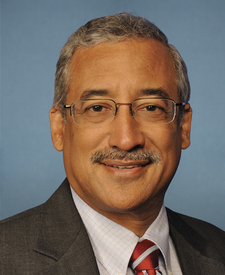
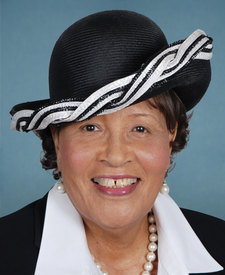
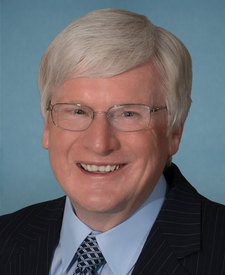
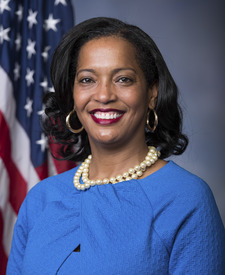
In CommitteeMr. Scott of Virginia (for himself, Mr. Grothman, Ms. Bonamici, …
Introduced in House
Referred to the House Committee on Education and Workforce.
Stakeholder Effects
cui bono?How this legislation distributes effects. Mention counts reflect frequency, not effect magnitude.
Employers defending discrimination claims, Older workers
Positive-direction: Older workers
Negative-direction: Employers defending discrimination claims
Bill Structure & Actor Mappings
Who is "The Secretary" in each section?
We use a combination of our own taxonomy and classification in addition to large language models to assess meaning and potential beneficiaries. High confidence means strong textual evidence. Always verify with the original bill text.
Learn more about our methodology