Social Security Enhancement and Protection Act of 2025
Summary
What This Bill Does
The Social Security Enhancement and Protection Act of 2025 expands benefits and raises payroll tax revenue after 2025. It increases the special minimum benefit for lifetime low earners who become eligible after 2025, tying the annual dollar amount to the 2025 poverty guideline in 2026 and wage-indexing it thereafter, with the payable percentage based on years of work. It creates an increased benefit for beneficiaries who have been eligible for old-age or disability benefits for at least 16 years, with a phased applicable percentage of a full increase amount. It extends child's insurance benefits to unmarried full-time post-secondary students under age 26 and adds transition rules for short gaps before post-secondary attendance. It taxes a phased-in applicable percentage of wages and self-employment income above the Social Security contribution and benefit base after 2025, creating additional revenue from high earners. It adds a new 3 percent benefit-formula factor for average indexed monthly earnings above the contribution and benefit base. It increases OASDI payroll tax rates for employees and employers to 6.25 percent in 2026, 6.30 percent in 2027, 6.35 percent in 2028, 6.40 percent in 2029, 6.45 percent in 2030, and 6.50 percent in 2031 and later, with parallel self-employment tax changes. Any benefit increase caused by the Act is disregarded as income or resources for federal, state, or local means-tested programs financed with federal funds.
Who Benefits and How
Lifetime low earners benefit from a stronger special minimum benefit tied to years of work and poverty-guideline amounts. Long-term Social Security beneficiaries benefit from increased monthly insurance benefits after at least 16 years of eligibility. Full-time post-secondary students under 26 benefit from extended child's insurance benefits. Means-tested benefit recipients benefit because Social Security increases under the Act are disregarded for eligibility and benefit amounts. The Social Security trust funds benefit from new payroll tax revenue above the contribution and benefit base and higher OASDI rates.
Who Bears the Burden and How
High-income workers pay Social Security tax on a phased-in share of wages above the contribution and benefit base after 2025. Employers pay gradually higher OASDI payroll tax rates from 2026 through 2031. Self-employed workers pay higher self-employment OASDI rates and taxes on a phased-in share of earnings above the base. SSA staff must update benefit formulas, student eligibility, long-term eligibility increases, and means-tested disregard coordination. IRS payroll tax administrators must implement new rates and above-base wage and self-employment income rules.
Key Provisions
- Raises the Social Security special minimum benefit for lifetime low earners based on years in the workforce.
- Creates benefit increases for beneficiaries at least 16 years after initial eligibility.
- Extends child's insurance benefits to unmarried full-time post-secondary students under age 26.
- Taxes a phased-in share of wages and self-employment income above the Social Security contribution and benefit base after 2025.
- Adds a 3 percent formula bend point for earnings above the contribution and benefit base.
- Raises employee, employer, and self-employment OASDI tax rates through 2031.
- Disregards Act-related benefit increases for means-tested program eligibility and benefit calculations.
Evidence Chain:
This summary is generated from the full bill text using AI analysis. Expand "Detailed Analysis" below for identified beneficiaries/burden bearers with clause-level evidence links.
At a Glance
What This Bill Does
Enhances Social Security benefits for lifetime low earners, long-term beneficiaries, and full-time post-secondary students under 26, protects the benefit increases from means-tested program counting, and finances the changes by taxing a phased-in share of wages and self-employment income above the contribution and benefit base, adding a 3 percent benefit formula bend point above the base, and increasing employee, employer, and self-employment OASDI tax rates from 2026 through 2031.
Key Policy Areas
Social Security, Payroll Tax, Retirement, Student Benefits
Primary Purpose
Enhances Social Security benefits for lifetime low earners, long-term beneficiaries, and full-time post-secondary students under 26, protects the benefit increases from means-tested program counting, and finances the changes by taxing a phased-in share of wages and self-employment income above the contribution and benefit base, adding a 3 percent benefit formula bend point above the base, and increasing employee, employer, and self-employment OASDI tax rates from 2026 through 2031.
Policy Domains
Resolution provisions
Identified Gains
- Lifetime low earners
- Long-term Social Security beneficiaries
- Full-time post-secondary students
- Means-tested benefit recipients
- Social Security trust funds
Identified Costs
- High-income workers
- Employers
- Self-employed workers
- SSA staff
- IRS payroll tax administrators
Sponsors
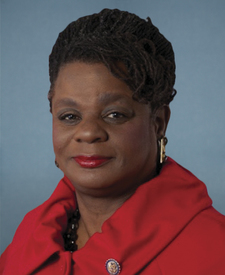
Legislative Progress
In CommitteeMs. Moore of Wisconsin introduced the following bill; which was …
Referred to the House Committee on Ways and Means.
Introduced in House
Stakeholder Effects
cui bono?How this legislation distributes effects. Mention counts reflect frequency, not effect magnitude.
Lifetime low earners, Long-term Social Security beneficiaries, Social Security trust funds
Bill Structure & Actor Mappings
Who is "The Secretary" in each section?
We use a combination of our own taxonomy and classification in addition to large language models to assess meaning and potential beneficiaries. High confidence means strong textual evidence. Always verify with the original bill text.
Learn more about our methodology