End Diaper Need Act of 2025
Summary
What This Bill Does
The End Diaper Need Act of 2025 deems the Social Services Block Grant amount to be $1.9 billion for fiscal years 2026 through 2029 and appropriates $200 million for each of those years for targeted diaper and incontinence assistance. HHS may reserve up to 2 percent for a national nonprofit entity with multi-state experience in basic-need distribution, child care, child development, or parent education to provide technical assistance, training, research, collaboration, and administration, and may reserve up to $3 million in fiscal 2026 for evaluation. States must use the increased funds, in consultation with stakeholders, to distribute funds to eligible entities that reduce unmet need for diapers, diapering supplies, medically necessary diapers, and adult incontinence materials for low-income families, infants, toddlers, medically complex children, low-income adults, and adults with disabilities. Eligible entities include state and local governments, tribes, tribal organizations, diaper banks, and qualified nonprofits with at least one year of relevant experience. Funds can purchase and distribute supplies, integrate distribution with TANF, Medicaid, CHIP, WIC, home visiting, child care, and IDEA Part C, and are limited to 5 percent state administrative costs. Benefits are disregarded for other federal needs-based eligibility. States must report recipient counts, family counts, quantities and types of supplies, ZIP Codes, distribution methods, and other data for fiscal 2026 through 2029. HHS must evaluate health and developmental effects such as diaper dermatitis, urinary tract infections, and depression or anxiety, issue guidance within 180 days, publish evaluation results, and update the evaluation after three years. The bill also amends tax rules so medically necessary diapers and diapering supplies qualify under HSA, Archer MSA, and employer health reimbursement rules.
Who Benefits and How
Low-income families with infants and toddlers benefit from free diapers and diapering supplies. Medically complex children benefit from medically necessary diapers tied to diagnosed conditions. Low-income adults with incontinence needs benefit from adult diapers, briefs, protective underwear, pads, catheters, drainage bags, and related supplies. Diaper banks and qualified nonprofits benefit from state subgrants and technical assistance. HSA and MSA users benefit because medically necessary diapers and diapering supplies become qualified medical expenses.
Who Bears the Burden and How
HHS staff must administer reserves, guidance, technical assistance, evaluations, and congressional reports. States must consult stakeholders, distribute funds, monitor eligible entities, cap administrative costs, and report detailed distribution data. Eligible entities must collect data, document fiscal accountability, distribute supplies, and coordinate with other basic-needs programs. Federal taxpayers bear $200 million per year in appropriations plus SSBG funding increases from fiscal 2026 through 2029.
Key Provisions
- Deems the Social Services Block Grant amount to be $1.9 billion for fiscal years 2026 through 2029.
- Appropriates $200 million per year from fiscal 2026 through 2029 for diaper and adult incontinence assistance.
- Funds purchase, distribution, outreach, and integration with TANF, Medicaid, CHIP, WIC, home visiting, child care, and IDEA Part C.
- Limits state administrative costs to 5 percent and disregards assistance for other needs-based program eligibility.
- Requires annual state reports, HHS guidance within 180 days, and two HHS evaluations.
- Adds medically necessary diapers and diapering supplies as qualified medical expenses under HSA, Archer MSA, and employer health rules.
Evidence Chain:
This summary is generated from the full bill text using AI analysis. Expand "Detailed Analysis" below for identified beneficiaries/burden bearers with clause-level evidence links.
At a Glance
What This Bill Does
Funds diaper, diapering-supply, medically necessary diaper, and adult incontinence-supply assistance through the Social Services Block Grant program from fiscal 2026 through 2029, supports diaper banks and other eligible entities, requires reports and evaluations, disregards benefits for needs-based eligibility, protects the funding from sequestration, and treats medically necessary diapers and supplies as qualified medical expenses.
Key Policy Areas
Human Services, Child Welfare, Disability, Tax
Primary Purpose
Funds diaper, diapering-supply, medically necessary diaper, and adult incontinence-supply assistance through the Social Services Block Grant program from fiscal 2026 through 2029, supports diaper banks and other eligible entities, requires reports and evaluations, disregards benefits for needs-based eligibility, protects the funding from sequestration, and treats medically necessary diapers and supplies as qualified medical expenses.
Policy Domains
Resolution provisions
Identified Gains
- Low-income families with infants
- Medically complex children
- Adults with incontinence needs
- Diaper banks
- HSA users
Identified Costs
- HHS human-services staff
- States
- Eligible nonprofit distributors
- Federal taxpayers
Sponsors
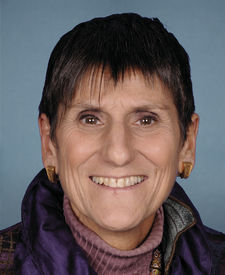
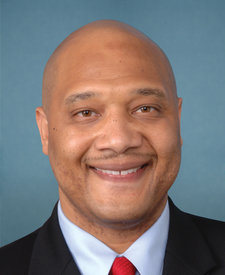
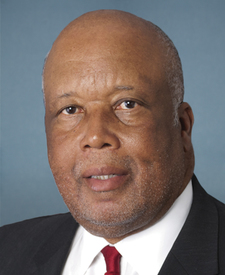


Legislative Progress
In CommitteeMs. DeLauro (for herself, Mrs. Watson Coleman, and Mrs. Foushee) …
Referred to the Committee on Ways and Means, and in …
Introduced in House
Stakeholder Effects
cui bono?How this legislation distributes effects. Mention counts reflect frequency, not effect magnitude.
Adults with incontinence needs, Medically complex children
Bill Structure & Actor Mappings
Who is "The Secretary" in each section?
We use a combination of our own taxonomy and classification in addition to large language models to assess meaning and potential beneficiaries. High confidence means strong textual evidence. Always verify with the original bill text.
Learn more about our methodology