Agent Raul Gonzalez Officer Safety Act
Summary
What This Bill Does
The Agent Raul Gonzalez Officer Safety Act creates a new federal offense in title 18 for operating a motor vehicle within 100 miles of the United States border while intentionally fleeing a pursuing U.S. Border Patrol agent acting under lawful authority, or any pursuing federal, state, or local law-enforcement officer actively assisting or under the command of U.S. Border Patrol. A base offense can bring imprisonment for up to two years and a fine. If serious bodily injury results, the penalty becomes at least five years and not more than twenty years. If death results, the penalty becomes at least ten years and up to life. The bill also adds immigration consequences for the same conduct by making covered violations grounds for inadmissibility and deportability. It requires the Attorney General, together with the Secretary of Homeland Security, to submit annual reports to the House and Senate Judiciary Committees on violations, charges, apprehensions without charges, violations without apprehension, penalties sought, and penalties imposed.
Who Benefits and How
U.S. Border Patrol agents, federal law-enforcement officers assisting Border Patrol, state officers assisting Border Patrol, local officers assisting Border Patrol, border-region communities, federal prosecutors, Department of Homeland Security enforcement staff, and House and Senate Judiciary Committee staff benefit because the bill creates a specific federal charge for high-speed or dangerous border flight, adds sentencing leverage when injury or death results, supports removal or inadmissibility consequences, and creates recurring statistics on charging and sentencing outcomes.
Who Bears the Burden and How
Drivers who flee Border Patrol within 100 miles of the border, noncitizens convicted of the new offense, noncitizens admitting the essential elements of the offense, criminal defense attorneys, immigration defense attorneys, federal public defenders, Department of Justice prosecutors, Department of Homeland Security reporting staff, federal courts, immigration courts, and the Bureau of Prisons bear burdens because the bill creates new criminal exposure, mandatory minimums when injury or death results, immigration bars, removal grounds, annual data collection, prosecution work, court workload, and incarceration costs.
Key Provisions
- Adds title 18 section 40B for evading arrest or detention while operating a motor vehicle within 100 miles of the border.
- Applies the offense to flight from U.S. Border Patrol and from federal, state, or local officers assisting or under Border Patrol command.
- Sets a base penalty of up to two years' imprisonment and a fine.
- Requires five to twenty years' imprisonment if serious bodily injury results.
- Requires ten years to life imprisonment if death results.
- Adds inadmissibility and deportability consequences for covered noncitizens.
- Requires annual DOJ-DHS reports to the House and Senate Judiciary Committees.
Evidence Chain:
This summary is generated from the full bill text using AI analysis. Expand "Detailed Analysis" below for identified beneficiaries/burden bearers with clause-level evidence links.
At a Glance
What This Bill Does
Creates a federal motor-vehicle flight offense for intentionally fleeing U.S. Border Patrol, or officers assisting Border Patrol, within 100 miles of the U.S. border; sets penalties of up to two years, five to twenty years if serious bodily injury results, and ten years to life if death results; adds related immigration consequences; and requires annual DOJ-DHS reports to the Judiciary Committees.
Key Policy Areas
Immigration, Law Enforcement, Criminal Justice
Primary Purpose
Creates a federal motor-vehicle flight offense for intentionally fleeing U.S. Border Patrol, or officers assisting Border Patrol, within 100 miles of the U.S. border; sets penalties of up to two years, five to twenty years if serious bodily injury results, and ten years to life if death results; adds related immigration consequences; and requires annual DOJ-DHS reports to the Judiciary Committees.
Policy Domains
Substantive provisions
Identified Gains
- U.S. Border Patrol agents
- Federal law-enforcement officers assisting Border Patrol
- State officers assisting Border Patrol
- Local officers assisting Border Patrol
- Border-region communities
- Federal prosecutors
- DHS enforcement staff
- House Judiciary Committee staff
- Senate Judiciary Committee staff
Identified Costs
- Drivers who flee Border Patrol
- Noncitizens convicted of the new offense
- Noncitizens admitting offense elements
- Criminal defense attorneys
- Immigration defense attorneys
- Federal public defenders
- Department of Justice prosecutors
- Department of Homeland Security reporting staff
- Federal courts
- Immigration courts
- Bureau of Prisons
Sponsors
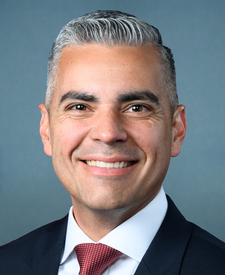


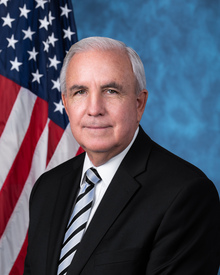
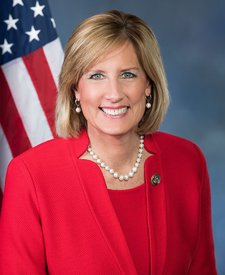
Legislative Progress
Passed HouseReceived; read twice and referred to the Committee on the …
Passed House (inferred from eh version)
Received in the Senate and Read twice and referred to …
Considered under the provisions of rule H. Res. 5. (consideration: …
Passed House (inferred from eh version)
Received in the Senate and Read twice and referred to …
Motion to reconsider laid on the table Agreed to without …
On passage Passed by the Yeas and Nays: 264 - …
Passed/agreed to in House: On passage Passed by the Yeas …
Mr. Ciscomani (for himself, Ms. De La Cruz, Mr. Higgins …
Stakeholder Effects
cui bono?How this legislation distributes effects. Mention counts reflect frequency, not effect magnitude.
Bureau of Prisons, Department of Homeland Security reporting staff, Department of Justice prosecutors
Positive-direction: Federal officers assisting Border Patrol, House Judiciary Committee staff, Senate Judiciary Committee staff, U.S. Border Patrol agents
Negative-direction: Bureau of Prisons, Department of Homeland Security reporting staff, Department of Justice prosecutors, Federal prosecutors
Local officers assisting Border Patrol, State officers assisting Border Patrol
Bill Structure & Actor Mappings
Who is "The Secretary" in each section?
- "section_40b"
- → new title 18 offense for evading arrest or detention while operating a motor vehicle near the border
- "border_patrol"
- → U.S. Border Patrol
We use a combination of our own taxonomy and classification in addition to large language models to assess meaning and potential beneficiaries. High confidence means strong textual evidence. Always verify with the original bill text.
Learn more about our methodology