To impose criminal and immigration penalties for intentionally fleeing a pursuing Federal officer while operating a motor vehicle.
Sponsors




Legislative Progress
Passed HouseReceived; read twice and referred to the Committee on the …
Passed House (inferred from eh version)
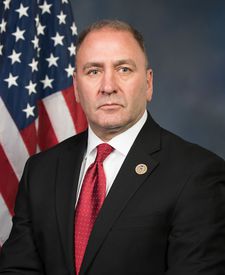
Mr. Ciscomani (for himself, Ms. De La Cruz, Mr. Higgins …
Summary
What This Bill Does
Creates federal crime for fleeing Border Patrol agents within 100 miles of the border, with penalties up to 2 years (base), 5-20 years (serious injury), or 20 years to life (death). Also makes such violations grounds for inadmissibility and deportation.
Who Benefits and How
Border Patrol agents gain legal protection with enhanced penalties for fleeing. Named for Agent Raul Gonzalez.
Who Bears the Burden and How
Individuals fleeing Border Patrol face federal criminal and immigration consequences.
Key Provisions
- Federal crime to flee Border Patrol within 100 miles of border
- Up to 2 years imprisonment (base offense)
- 5-20 years if serious bodily injury results
- 20 years to life if death results
- Inadmissibility and deportability grounds
Evidence Chain:
This summary is derived from the structured analysis below. See "Detailed Analysis" for per-title beneficiaries/burden bearers with clause-level evidence links.
Primary Purpose
Criminalizes fleeing Border Patrol and establishes immigration penalties
Policy Domains
Legislative Strategy
"Deter vehicle flight from Border Patrol"
Bill Structure & Actor Mappings
Who is "The Secretary" in each section?
We use a combination of our own taxonomy and classification in addition to large language models to assess meaning and potential beneficiaries. High confidence means strong textual evidence. Always verify with the original bill text.
Learn more about our methodology