Gerald E. Connolly Esophageal Cancer Awareness Act of 2025
Summary
What This Bill Does
The Gerald E. Connolly Esophageal Cancer Awareness Act directs the Government Accountability Office to study esophageal cancer-related health care costs, outcomes, and federal research activity. The bill's findings state that esophageal cancer has risen sharply in recent decades and that prognosis is poor when diagnosis occurs late.
Who Benefits and How
Esophageal cancer patients, families, clinicians, hospitals, cancer researchers, and public-health advocates benefit from a federal report that can identify gaps in research, diagnosis, prevention, treatment costs, and health outcomes. Congress benefits from GAO analysis that can support later legislation or appropriations decisions.
Who Bears the Burden and How
The Government Accountability Office must conduct the study and submit the report within one year. Federal health agencies, cancer registries, hospitals, clinicians, and researchers may need to provide data or context to support GAO's evaluation.
Key Provisions
- States congressional findings on rising esophageal cancer incidence and poor outcomes from late diagnosis.
- Requires GAO to report to Congress within one year on esophageal cancer-related health care costs and outcomes.
- Directs GAO to evaluate federal research and information relevant to esophageal cancer awareness and treatment.
- Gives Congress a factual basis for future cancer-awareness or research policy.
- Provides Congress with a formal evidence base for future esophageal-cancer awareness, research, or health-care legislation.
Evidence Chain:
This summary is generated from the full bill text using AI analysis. Expand "Detailed Analysis" below for identified beneficiaries/burden bearers with clause-level evidence links.
At a Glance
What This Bill Does
The bill creates congressional findings on esophageal cancer statistics and screening recommendations and requires GAO report on esophageal cancer healthcare spending and screening under FEHB.
Key Policy Areas
Healthcare, Labor
Primary Purpose
The bill creates congressional findings on esophageal cancer statistics and screening recommendations and requires GAO report on esophageal cancer healthcare spending and screening under FEHB.
Policy Domains
whole_bill
Identified Gains
- Esophageal cancer patients
- Cancer treatment providers
- Hospitals treating esophageal cancer
- Cancer researchers
- Public health programs
Identified Costs
- Government Accountability Office
- Federal health agencies
- Cancer registries
- Clinicians providing study data
Sponsors
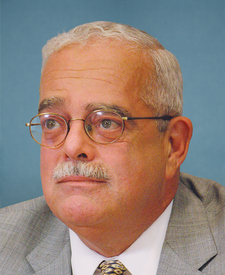
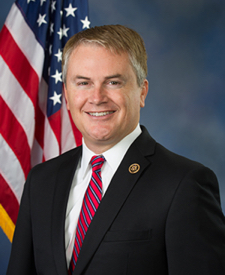
Legislative Progress
Signed into LawSigned by President.
Became Public Law No: 119-96.
Presented to President.
Message on Senate action sent to the House.
Senate Committee on Homeland Security and Governmental Affairs discharged by …
Passed Senate without amendment by Unanimous Consent. (consideration: CR S2397-2398)
Passed/agreed to in Senate: Passed Senate without amendment by Unanimous …
Received in the Senate and Read twice and referred to …
DEBATE - The House proceeded with forty minutes of debate …
Motion to reconsider laid on the table Agreed to without …
Stakeholder Effects
cui bono?How this legislation distributes effects. Mention counts reflect frequency, not effect magnitude.
Bill Structure & Actor Mappings
Who is "The Secretary" in each section?
We use a combination of our own taxonomy and classification in addition to large language models to assess meaning and potential beneficiaries. High confidence means strong textual evidence. Always verify with the original bill text.
Learn more about our methodology