To require the Government Accountability Office to produce a report on esophageal cancer, and for other purposes.
Sponsors
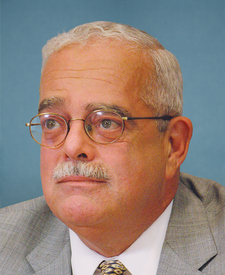

Legislative Progress
Passed HouseMr. Connolly (for himself and Mr. Comer) introduced the following …
Passed House (inferred from eh version)
Summary
What This Bill Does
Requires the Government Accountability Office to produce a report on esophageal cancer, highlighting the rapid increase in cases, low survival rates, and importance of early detection through identification of Barrett's esophagus precursor.
Who Benefits and How
Esophageal cancer patients and at-risk individuals benefit from increased awareness and potential policy changes. Cancer research community benefits from Congressional attention to this fast-growing cancer type.
Who Bears the Burden and How
GAO must allocate resources to produce the required report. No direct costs imposed on private entities.
Key Provisions
- Congressional finding that esophageal cancer has increased 700% in recent decades
- Recognition that early detection dramatically improves survival rates
- Barrett's esophagus can be eliminated with outpatient procedures if detected early
- GAO report requirement on research and detection strategies
Evidence Chain:
This summary is derived from the structured analysis below. See "Detailed Analysis" for per-title beneficiaries/burden bearers with clause-level evidence links.
Primary Purpose
Requires GAO report on esophageal cancer research and early detection
Policy Domains
Legislative Strategy
"Raise awareness and prompt policy review through GAO study"
Bill Structure & Actor Mappings
Who is "The Secretary" in each section?
- "gao"
- → Government Accountability Office
We use a combination of our own taxonomy and classification in addition to large language models to assess meaning and potential beneficiaries. High confidence means strong textual evidence. Always verify with the original bill text.
Learn more about our methodology