Stop Illegal Entry Act of 2025
Summary
What This Bill Does
The Stop Illegal Entry Act of 2025 increases criminal penalties for unlawful entry and unlawful reentry. Section 2 amends INA section 275 by raising the maximum imprisonment term for basic unlawful entry from two years to five years. It also adds a new penalty for a person who enters or attempts to enter at an unauthorized time or place, eludes immigration inspection, or obtains entry through willful false or misleading representation or concealment of a material fact, and is later convicted of a crime punishable by more than one year: that person may be fined and must be imprisoned for at least five years and may receive any term of years or life. Section 3 rewrites INA section 276 for people who were denied admission, excluded, deported, removed, or departed under an outstanding order and later enter, attempt to enter, or are found in the United States without advance Homeland Security consent. It sets a general reentry penalty of up to ten years, creates up to fifteen years for people with three or more drug or person-crime misdemeanors, requires a ten-year consecutive sentence for certain terrorism-related exclusions or title V removals, creates up to ten years for repeated removals, and imposes enhanced penalties for aggravated felonies, other felonies, and crimes punishable by more than one year. It also defines removal to include stipulated-removal agreements and updates Attorney General references to the Secretary of Homeland Security.
Who Benefits and How
DHS immigration enforcement staff, U.S. Border Patrol, ICE officers, federal prosecutors, Homeland Security consent-review staff, federal judges, and communities prioritizing stricter immigration enforcement benefit because the bill gives prosecutors longer sentencing ranges, mandatory minimum exposure for unlawful entry followed by serious crimes, stricter reentry penalties for repeat or criminal-history cases, and clearer statutory consent authority through the Secretary of Homeland Security.
Who Bears the Burden and How
Noncitizens charged with unlawful entry, noncitizens convicted after unlawful entry, previously removed noncitizens, noncitizens with three qualifying misdemeanors, noncitizens with aggravated-felony convictions, noncitizens with other felony convictions, noncitizens removed on terrorism-related grounds, immigration defense attorneys, federal public defenders, federal courts, immigration courts, the Bureau of Prisons, and families of incarcerated noncitizens bear burdens because the bill raises maximum sentences, creates new minimum imprisonment exposure, makes some sentences consecutive, broadens the reentry penalty framework, and increases incarceration and defense consequences.
Key Provisions
- Raises the maximum penalty for unlawful entry under 8 U.S.C. 1325(a) from two years to five years.
- Creates a five-years-to-life penalty for unlawful entry or attempted entry followed by conviction for a crime punishable by more than one year.
- Rewrites 8 U.S.C. 1326 to set a general unlawful-reentry penalty of up to ten years.
- Provides up to fifteen years for reentry after three or more drug or person-crime misdemeanors.
- Requires a ten-year consecutive sentence for certain terrorism-related exclusions or title V removals followed by reentry.
- Adds enhanced reentry penalties for repeated removals, aggravated felonies, other felonies, and crimes punishable by more than one year.
- Defines removal to include stipulated-removal agreements and updates consent authority to the Secretary of Homeland Security.
Evidence Chain:
This summary is generated from the full bill text using AI analysis. Expand "Detailed Analysis" below for identified beneficiaries/burden bearers with clause-level evidence links.
At a Glance
What This Bill Does
Raises unlawful-entry penalties under 8 U.S.C. 1325, adds a five-years-to-life penalty for people who unlawfully enter or attempt entry and are later convicted of a crime punishable by more than one year, rewrites unlawful-reentry penalties under 8 U.S.C. 1326 with higher exposure for prior misdemeanors, terrorism-related exclusions, title V removals, repeated removals, aggravated felonies, and other felonies, and updates Homeland Security consent references.
Key Policy Areas
Immigration, Criminal Justice, Law Enforcement
Primary Purpose
Raises unlawful-entry penalties under 8 U.S.C. 1325, adds a five-years-to-life penalty for people who unlawfully enter or attempt entry and are later convicted of a crime punishable by more than one year, rewrites unlawful-reentry penalties under 8 U.S.C. 1326 with higher exposure for prior misdemeanors, terrorism-related exclusions, title V removals, repeated removals, aggravated felonies, and other felonies, and updates Homeland Security consent references.
Policy Domains
Substantive provisions
Identified Gains
- DHS immigration enforcement staff
- U.S. Border Patrol
- ICE officers
- Federal prosecutors
- Homeland Security consent-review staff
- Federal judges
- Communities prioritizing stricter immigration enforcement
Identified Costs
- Noncitizens charged with unlawful entry
- Noncitizens convicted after unlawful entry
- Previously removed noncitizens
- Noncitizens with qualifying misdemeanors
- Noncitizens with aggravated-felony convictions
- Noncitizens with other felony convictions
- Noncitizens removed on terrorism-related grounds
- Immigration defense attorneys
- Federal public defenders
- Federal courts
- Immigration courts
- Bureau of Prisons
- Families of incarcerated noncitizens
Sponsors
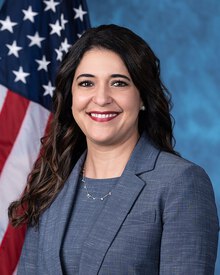


Legislative Progress
Passed HouseReceived in the Senate.
Motion to reconsider laid on the table Agreed to without …
On passage Passed by the Yeas and Nays: 226 - …
Passed/agreed to in House: On passage Passed by the Yeas …
Considered as unfinished business. (consideration: CR H4250)
POSTPONED PROCEEDINGS - At the conclusion of debate on H.R. …
The previous question was ordered pursuant to the rule.
DEBATE - The House proceeded with one hour of debate …
Rule provides for consideration of H.R. 3838 and H.R. 3486. …
Considered under the provisions of rule H. Res. 682. (consideration: …
Stakeholder Effects
cui bono?How this legislation distributes effects. Mention counts reflect frequency, not effect magnitude.
Bureau of Prisons, DHS consent-review staff, DHS immigration enforcement staff
Positive-direction: DHS immigration enforcement staff, ICE officers
Negative-direction: Bureau of Prisons, DHS consent-review staff, Federal courts, Federal prosecutors
Noncitizens charged with unlawful entry, Noncitizens convicted after unlawful entry, Noncitizens removed on terrorism-related grounds
Federal public defenders, Immigration defense attorneys
On Passage
Stop Illegal Entry Act
Bill Structure & Actor Mappings
Who is "The Secretary" in each section?
- "section_275"
- → INA unlawful-entry statute, 8 U.S.C. 1325
- "section_276"
- → INA unlawful-reentry statute, 8 U.S.C. 1326
We use a combination of our own taxonomy and classification in addition to large language models to assess meaning and potential beneficiaries. High confidence means strong textual evidence. Always verify with the original bill text.
Learn more about our methodology