To direct the Secretary of Transportation to require certain air carriers to develop and regularly update an operational resiliency strategy, and for other purposes.
Sponsors
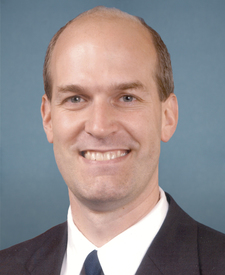
Rick Larsen
D-WA | Primary Sponsor
Legislative Progress
IntroducedMr. Larsen of Washington (for himself and Mr. Cohen) introduced …
Summary
What This Bill Does
This bill requires major airlines to create and maintain formal plans for handling flight disruptions caused by severe weather, technology failures, cybersecurity incidents, and other operational challenges. The goal is to reduce passenger frustration and travel chaos by ensuring airlines have proactive strategies rather than scrambling to respond after disruptions occur.
Who Benefits and How
Airline passengers are the primary beneficiaries, as they would experience fewer cascading delays and cancellations when disruptions occur, and airlines would be better prepared to rebook travelers and communicate during crises. Airlines themselves may also benefit in the long term by having clearer internal planning frameworks that reduce the cost of major operational meltdowns.
Who Bears the Burden and How
Major commercial airlines ("covered carriers" under FAA regulations) face new compliance requirements: they must develop comprehensive resiliency strategies, regularly update them, and submit them to the Department of Transportation. This creates administrative costs for developing plans that address staffing, IT systems, crew scheduling, and cybersecurity. The Government Accountability Office also takes on auditing responsibilities within 3 years.
Key Provisions
- Airlines must develop operational resiliency strategies within 1 year addressing severe weather, technology failures, staffing, and cybersecurity risks
- Plans must describe how carriers will prevent or limit passenger impact during disruptions
- The Department of Transportation must protect confidential and proprietary business information in submitted plans
- The Comptroller General must audit the effectiveness of these strategies and report to Congress
- The bill does not grant the Secretary of Transportation new enforcement powers beyond requiring the plans
Evidence Chain:
This summary is derived from the structured analysis below. See "Detailed Analysis" for per-title beneficiaries/burden bearers with clause-level evidence links.
Primary Purpose
The bill aims to enhance airline operational resilience, reducing flight disruptions' impact on passengers by mandating air carriers to develop comprehensive strategies.
Policy Domains
Bill Structure & Actor Mappings
Who is "The Secretary" in each section?
- "the_secretary"
- → Secretary of Transportation
- "the_administrator"
- → None
We use a combination of our own taxonomy and classification in addition to large language models to assess meaning and potential beneficiaries. High confidence means strong textual evidence. Always verify with the original bill text.
Learn more about our methodology