AI Whistleblower Protection Act
Summary
What This Bill Does
The AI Whistleblower Protection Act defines AI security vulnerabilities, AI violations, artificial intelligence, emerging AI technology, covered individuals, and employers. Covered individuals include current and former employees and independent contractors. Employers are any compensated work recipients engaged in commerce or an industry affecting commerce. Employers may not discharge, demote, suspend, threaten, blacklist, harass, or otherwise discriminate in employment, post-employment, or contractor work terms because a covered individual lawfully reports an AI security vulnerability or AI violation, or reasonably believed vulnerability or violation, to an appropriate regulatory official, the Attorney General, a regulatory or law enforcement agency, Congress, a supervisor, or internal personnel with authority to investigate or address misconduct. Protected activity also includes initiating, testifying in, or assisting investigations or judicial or administrative actions. Aggrieved covered individuals may file Labor Department complaints under AIR21-style procedures or sue in federal district court if Labor has not issued a final decision within 180 days without bad-faith delay. Federal court actions allow jury trials, have six-year, three-year discovery, and 10-year outside limitations periods, and prevailing individuals receive reinstatement, double back pay with interest, compensatory damages including litigation costs, expert witness fees, and attorneys' fees, plus other appropriate remedies. Rights cannot be waived or altered by contracts, arbitration, mediation, policies, or employment conditions.
Who Benefits and How
AI employees benefit because they can report security vulnerabilities or legal violations without employer retaliation. AI contractors benefit because independent contractors and former contractors are covered. Regulators benefit from protected disclosures about AI public safety, public health, national security, and legal risks. Congressional committees benefit because disclosures to members or committees are protected.
Who Bears the Burden and How
AI employers must avoid retaliation against covered individuals who report AI vulnerabilities or violations. Labor Department whistleblower staff must process complaints using AIR21-style procedures. Federal courts may hear AI whistleblower suits when Labor misses the 180-day deadline. Employers that retaliate face reinstatement, double back pay, compensatory damages, litigation costs, expert fees, attorneys' fees, and other remedies.
Key Provisions
- Defines AI security vulnerabilities, AI violations, covered individuals, emerging AI technology, and covered employers.
- Prohibits retaliation for reporting AI vulnerabilities, AI violations, or reasonably believed misconduct to regulators, law enforcement, Congress, supervisors, or authorized internal personnel.
- Allows Labor Department complaints and federal court actions after 180 days without a final Labor decision.
- Provides jury trials, reinstatement, double back pay, compensatory damages, litigation costs, expert fees, attorneys' fees, and other remedies.
- Prohibits waiver or alteration of rights through contracts, arbitration, mediation, policies, or employment conditions.
Evidence Chain:
This summary is generated from the full bill text using AI analysis. Expand "Detailed Analysis" below for identified beneficiaries/burden bearers with clause-level evidence links.
At a Glance
What This Bill Does
Protects employees, former employees, independent contractors, and former contractors from retaliation for reporting AI security vulnerabilities, AI legal violations, or substantial AI dangers to regulators, law enforcement, Congress, supervisors, or authorized internal personnel, with Labor complaints, federal court actions, jury trials, double back pay, compensatory damages, fees, and nonwaivable remedies.
Key Policy Areas
Artificial Intelligence, Whistleblowers, Labor
Primary Purpose
Protects employees, former employees, independent contractors, and former contractors from retaliation for reporting AI security vulnerabilities, AI legal violations, or substantial AI dangers to regulators, law enforcement, Congress, supervisors, or authorized internal personnel, with Labor complaints, federal court actions, jury trials, double back pay, compensatory damages, fees, and nonwaivable remedies.
Policy Domains
Resolution provisions
Identified Gains
- AI employees
- AI contractors
- Regulators
- Congressional committees
Identified Costs
- AI employers
- Labor Department whistleblower staff
- Federal courts
- Employers that retaliate
Sponsors
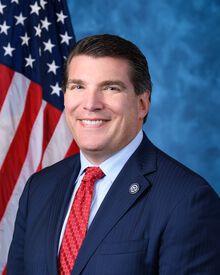

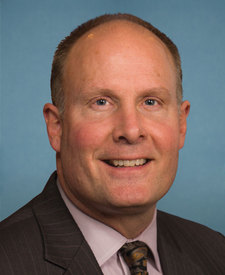
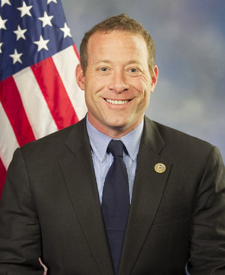
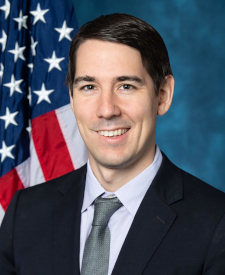
Legislative Progress
In CommitteeMr. Obernolte (for himself and Mr. Lieu) introduced the following …
Referred to the House Committee on Education and Workforce.
Introduced in House
Stakeholder Effects
cui bono?How this legislation distributes effects. Mention counts reflect frequency, not effect magnitude.
AI contractors, AI employees, AI employers
Positive-direction: AI contractors, AI employees
Negative-direction: AI employers
Labor Department whistleblower staff, Regulators
Bill Structure & Actor Mappings
Who is "The Secretary" in each section?
We use a combination of our own taxonomy and classification in addition to large language models to assess meaning and potential beneficiaries. High confidence means strong textual evidence. Always verify with the original bill text.
Learn more about our methodology