Six Assurances to Taiwan Act
Summary
What This Bill Does
The Six Assurances to Taiwan Act states congressional findings on Taiwan's democracy, PRC pressure, the Taiwan Relations Act, the three U.S.-China Joint Communiques, and the Reagan Administration's 1982 Six Assurances. It declares the sense of Congress that peace and stability across the Taiwan Strait are in U.S. political, security, and economic interests; unilateral status quo changes or settlements without both sides' consent are unacceptable; Taiwan's future must be determined peacefully; and the Six Assurances are a stabilizing part of U.S. policy. The policy section reaffirms that the United States did not agree to set a date for ending arms sales to Taiwan, did not agree to consult the PRC on those arms, did not and will not agree to mediate, did not agree to revise the Taiwan Relations Act, did not take a sovereignty position, and will not pressure Taiwan to negotiate with the PRC. Before taking covered actions, the President must notify appropriate committees and congressional leadership, describe reasons, state whether the action significantly alters policy, and for significant alterations explain effects on U.S. economic and national-security interests and Taiwan sovereignty. A 30-calendar-day review period follows notification.
Who Benefits and How
Taiwan benefits from statutory reaffirmation of U.S. arms-sales, no-mediation, no-pressure, and no-sovereignty-position assurances. Congressional foreign affairs committees benefit from notice and review before covered Taiwan-policy changes. U.S. defense exporters benefit from a policy statement against setting an end date for defensive arms sales to Taiwan. Indo-Pacific security planners benefit from clearer U.S. policy continuity around the Taiwan Strait.
Who Bears the Burden and How
The President must notify Congress and wait through a 30-day review process before covered actions. State Department Taiwan policy staff must document reasons and policy effects for covered actions. PRC diplomats lose leverage from any expectation that the United States will consult Beijing on Taiwan arms sales or pressure Taiwan to negotiate. Executive branch negotiators face statutory constraints on mediation or sovereignty-policy changes.
Key Provisions
- Reaffirms the Six Assurances as U.S. policy toward Taiwan.
- States that U.S. policy does not include ending arms sales by date, consulting China on arms sales, mediating sovereignty, revising the Taiwan Relations Act, taking a sovereignty position, or pressuring Taiwan to negotiate.
- Requires presidential notice before covered Taiwan-policy actions.
- Requires extra explanation for actions intended to significantly alter U.S. policy toward Taiwan or China.
- Creates a 30-calendar-day congressional review period after notification.
Evidence Chain:
This summary is generated from the full bill text using AI analysis. Expand "Detailed Analysis" below for identified beneficiaries/burden bearers with clause-level evidence links.
At a Glance
What This Bill Does
Codifies the Six Assurances as U.S. policy toward Taiwan and requires presidential notice plus a 30-day congressional review period before actions that would pause Taiwan defensive arms, consult China on those arms, mediate sovereignty, change U.S. sovereignty posture, or pressure Taiwan to negotiate with China.
Key Policy Areas
Foreign Affairs, Taiwan, Congressional Oversight, Defense
Primary Purpose
Codifies the Six Assurances as U.S. policy toward Taiwan and requires presidential notice plus a 30-day congressional review period before actions that would pause Taiwan defensive arms, consult China on those arms, mediate sovereignty, change U.S. sovereignty posture, or pressure Taiwan to negotiate with China.
Policy Domains
Resolution provisions
Identified Gains
- Taiwan
- Congressional foreign affairs committees
- U.S. defense exporters
- Indo-Pacific security planners
Identified Costs
- President
- State Department Taiwan policy staff
- PRC diplomats
- Executive branch negotiators
Sponsors



Legislative Progress
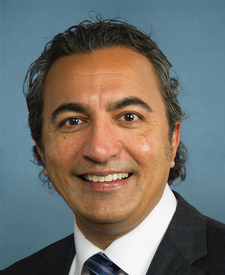
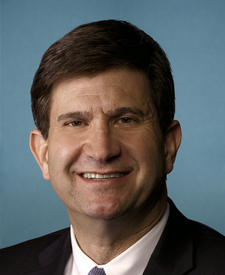
In CommitteeMr. Krishnamoorthi (for himself, Mr. Meeks, Mr. Stanton, Mrs. Kim, …
Referred to the Committee on Foreign Affairs, and in addition …
Introduced in House
Stakeholder Effects
cui bono?How this legislation distributes effects. Mention counts reflect frequency, not effect magnitude.
President, State Department Taiwan policy staff
Bill Structure & Actor Mappings
Who is "The Secretary" in each section?
We use a combination of our own taxonomy and classification in addition to large language models to assess meaning and potential beneficiaries. High confidence means strong textual evidence. Always verify with the original bill text.
Learn more about our methodology