Fire Department Repayment Act of 2025
Summary
What This Bill Does
The Fire Department Repayment Act addresses reimbursement delays under Federal fire suppression cost-share agreements. Within one year, the Secretaries of Agriculture, the Interior, Homeland Security, and Defense must establish standard operating procedures for payment timelines under agreements governed by the Reciprocal Fire Protection Act. They must review each existing fire suppression cost-share agreement and modify agreements as needed to comply with the new procedures. The procedures must align each cost-share agreement with applicable cooperative fire protection agreements and require the Federal paying entity to reimburse a local fire department when the department submits an invoice under cost settlement procedures. Congress also states that repayments to local fire suppression organizations should occur as soon as practicable after fire suppression and no later than one year after suppression.
Who Benefits and How
Local fire departments benefit because Federal paying entities must reimburse eligible invoices under cost settlement procedures. Local fire suppression organizations benefit from congressional pressure for repayment within one year after suppression. Municipal fire agencies benefit from clearer Federal payment timelines and better alignment between cost-share agreements and cooperative fire protection agreements. Communities served by local fire departments benefit if faster reimbursement protects local emergency-response budgets. Federal land and facility managers benefit from clearer shared procedures when they rely on local fire suppression support.
Who Bears the Burden and How
The USDA Forest Service, Department of the Interior wildfire offices, Department of Homeland Security fire offices, and Department of Defense installation fire offices must create procedures, review existing agreements, and modify agreements within one year. Federal paying entities must process reimbursements when invoices satisfy cost settlement procedures. Agency budget and finance staff must track payment timelines. Federal program managers must align reciprocal fire suppression agreements with cooperative fire protection agreements. Congressional oversight committees may review whether payments occur within the stated one-year window.
Key Provisions
- Requires the Agriculture, Interior, Homeland Security, and Defense Secretaries to establish fire-suppression payment-timeline procedures within one year.
- Requires review and modification of existing Federal fire suppression cost-share agreements.
- Directs the procedures to align cost-share agreements with applicable cooperative fire protection agreements.
- Requires Federal paying entities to reimburse local fire departments that submit invoices under cost settlement procedures.
- Provides a sense of Congress that repayments to local fire suppression organizations should occur as soon as practicable and within one year.
Evidence Chain:
This summary is generated from the full bill text using AI analysis. Expand "Detailed Analysis" below for identified beneficiaries/burden bearers with clause-level evidence links.
At a Glance
What This Bill Does
Requires the Agriculture, Interior, Homeland Security, and Defense Secretaries to establish standard operating procedures for reimbursing local fire departments under Federal fire suppression cost-share agreements, review and modify existing agreements, align them with cooperative fire protection agreements, and make repayments as soon as practicable and within one year after fire suppression.
Key Policy Areas
Wildfire, Emergency Response, Federal Spending
Primary Purpose
Requires the Agriculture, Interior, Homeland Security, and Defense Secretaries to establish standard operating procedures for reimbursing local fire departments under Federal fire suppression cost-share agreements, review and modify existing agreements, align them with cooperative fire protection agreements, and make repayments as soon as practicable and within one year after fire suppression.
Policy Domains
House resolution provisions
Identified Gains
- Local fire departments
- Local fire suppression organizations
- Municipal fire agencies
- Communities served by local fire departments
- Federal land managers
Identified Costs
- USDA Forest Service
- Department of the Interior wildfire offices
- Department of Homeland Security fire offices
- Department of Defense installation fire offices
- Federal paying entities
Sponsors
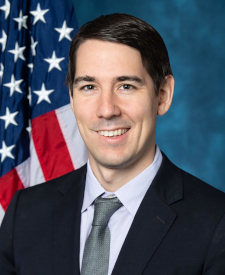


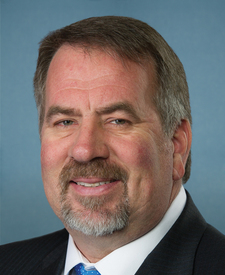

Legislative Progress
ReportedOrdered to be Reported (Amended) by Unanimous Consent.
Committee Consideration and Mark-up Session Held
Referred to the Subcommittee on Forestry and Horticulture.
Mr. Harder of California (for himself and Mr. LaMalfa) introduced …
Referred to the Committee on Natural Resources, and in addition …
Introduced in House
Stakeholder Effects
cui bono?How this legislation distributes effects. Mention counts reflect frequency, not effect magnitude.
Department of Defense installation fire offices, Department of Homeland Security fire offices, Department of the Interior wildfire offices
Local fire departments, Local fire suppression organizations
Bill Structure & Actor Mappings
Who is "The Secretary" in each section?
- "secretaries"
- → Secretaries of Agriculture, the Interior, Homeland Security, and Defense
We use a combination of our own taxonomy and classification in addition to large language models to assess meaning and potential beneficiaries. High confidence means strong textual evidence. Always verify with the original bill text.
Learn more about our methodology