Stronger Communities through Better Transit Act
Summary
What This Bill Does
The Stronger Communities through Better Transit Act adds a new 49 U.S.C. 5308 operating support program. DOT may make grants to eligible urbanized areas, states, and Indian Tribes to enhance mobility and improve environmental sustainability through public transportation service improvements. Each fiscal year, initial apportionments equal 50 percent of the relevant urbanized area's average annual operating costs, 50 percent of section 5311 subrecipient average operating costs in a state, or 50 percent of an Indian Tribe's average operating costs, using National Transit Database data from the prior three-year period. Remaining funds are apportioned based on each recipient's share of all reported operating costs, but no recipient may receive more than 80 percent of its average operating costs. Recipients may use funds for operating costs tied to public transportation service improvements. The bill also amends section 5311 so rural operating assistance grants may cover up to 80 percent of net operating costs.
Who Benefits and How
Urban transit agencies benefit from formula operating support based on recent operating costs. Rural transit providers benefit because section 5311 operating assistance can cover up to 80 percent of net operating costs. Indian Tribe transit programs benefit from direct operating-cost apportionments based on National Transit Database data. Transit riders benefit if operating support improves frequency, reliability, coverage, or service hours.
Who Bears the Burden and How
DOT transit grant staff must administer a new operating support formula and enforce the 80 percent cap. Eligible recipients must report and rely on National Transit Database operating cost data. Federal taxpayers bear the cost of larger transit operating subsidies. Transit agencies must manage grants for eligible public transportation service improvements rather than unrelated capital uses.
Key Provisions
- Creates a high-quality transit operating support program in 49 U.S.C. 5308.
- Provides initial apportionments equal to 50 percent of average operating costs for eligible urbanized areas, states, and Indian Tribes.
- Caps annual apportionments at 80 percent of average operating costs.
- Allows funds to support operating costs for public transportation service improvements.
- Raises the rural section 5311 operating assistance federal share to 80 percent of net operating costs.
Evidence Chain:
This summary is generated from the full bill text using AI analysis. Expand "Detailed Analysis" below for identified beneficiaries/burden bearers with clause-level evidence links.
At a Glance
What This Bill Does
Creates a high-quality transit operating support grant program that apportions funding to urbanized areas, states, and Indian Tribes based on National Transit Database operating costs, caps annual awards at 80 percent of average operating costs, and raises the rural operating assistance federal share to 80 percent.
Key Policy Areas
Public Transit, Transportation Grants, Climate
Primary Purpose
Creates a high-quality transit operating support grant program that apportions funding to urbanized areas, states, and Indian Tribes based on National Transit Database operating costs, caps annual awards at 80 percent of average operating costs, and raises the rural operating assistance federal share to 80 percent.
Policy Domains
Resolution provisions
Identified Gains
- Urban transit agencies
- Rural transit providers
- Indian Tribe transit programs
- Transit riders
Identified Costs
- DOT transit grant staff
- Eligible recipients
- Federal taxpayers
- Transit agencies
Sponsors


Legislative Progress
In CommitteeReferred to the Subcommittee on Highways and Transit.
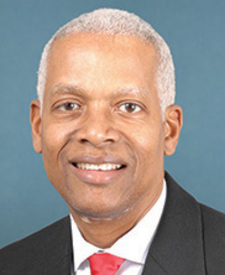
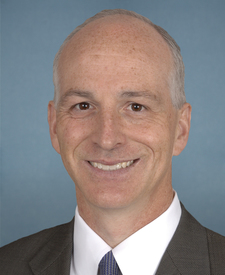
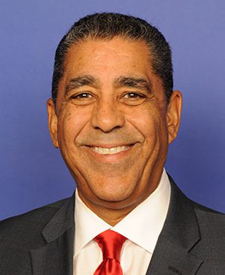
Mr. Johnson of Georgia (for himself, Mr. Cohen, Ms. McClellan, …
Referred to the House Committee on Transportation and Infrastructure.
Introduced in House
Stakeholder Effects
cui bono?How this legislation distributes effects. Mention counts reflect frequency, not effect magnitude.
Rural transit providers, Transit riders, Urban transit agencies
Bill Structure & Actor Mappings
Who is "The Secretary" in each section?
We use a combination of our own taxonomy and classification in addition to large language models to assess meaning and potential beneficiaries. High confidence means strong textual evidence. Always verify with the original bill text.
Learn more about our methodology