Words Matter Act of 2025
Summary
What This Bill Does
The Words Matter Act modernizes disability terminology across a large set of Federal laws. It replaces terms such as mental retardation, mentally retarded, and related phrases with intellectual disability, intellectual disabilities, or individuals with intellectual disabilities. The amendments touch title 10 military health care, the National Housing Act, Federal death-penalty law, the Indian Health Care Improvement Act, the Omnibus Crime Control and Safe Streets Act, title 40 property law, the Public Health Service Act, the Social Security Act, the Affordable Care Act, the Richard B. Russell National School Lunch Act, the Child Nutrition Act, the Civil Rights of Institutionalized Persons Act, and the Developmental Disabilities Assistance and Bill of Rights Act. The bill also creates a regulatory transition rule: before regulations are formally amended, references to the old terms are treated as references to intellectual disability, and when agencies amend regulations they must clearly state the former terminology. A rule of construction says the bill removes terminology without changing coverage, eligibility, rights, responsibilities, definitions, or requiring States to change State-law terminology.
Who Benefits and How
Individuals with intellectual disabilities benefit because Federal law would use more current and respectful terminology without changing legal coverage. Disability rights organizations benefit from statutory language that better matches modern advocacy, clinical, and civil-rights usage. Medicaid beneficiaries in intermediate care facilities benefit from updated terminology in facility provisions while eligibility remains preserved. Indian Health Service patients benefit from terminology changes in Indian health definitions and programs. People affected by criminal justice mental-health and intellectual-disability provisions benefit from updated language in Federal justice and institutional-rights laws.
Who Bears the Burden and How
Federal agency rulemaking offices must update regulations and ensure transition language explains the old and new terminology. HHS Medicaid offices must account for changes across Social Security Act nursing facility, intermediate care facility, and waiver provisions. Department of Justice grant offices must update criminal-justice program references. Department of Defense health program offices must update title 10 terminology. State program administrators are not compelled to change State law, but they may need to align guidance and forms that cite amended Federal provisions.
Key Provisions
- Amends title 10, housing, criminal justice, Indian health, public health, Social Security, nutrition, civil-rights, and developmental-disability statutes to replace outdated terminology.
- Replaces references to mental retardation with intellectual disability or intellectual disabilities.
- Requires old regulatory references to be treated as references to intellectual disability before regulations are updated.
- Directs Federal agencies to state the former terminology when amending regulations to implement the Act.
- Provides that the Act does not change coverage, eligibility, rights, responsibilities, or definitions in the amended provisions.
- Provides that the Act does not compel States to change terminology in State laws.
Evidence Chain:
This summary is generated from the full bill text using AI analysis. Expand "Detailed Analysis" below for identified beneficiaries/burden bearers with clause-level evidence links.
At a Glance
What This Bill Does
Replaces outdated Federal statutory terms such as mental retardation and mentally retarded with intellectual disability and individuals with intellectual disabilities across defense health care, housing, criminal justice, Indian health, public health, Social Security, nutrition, civil-rights, and developmental-disability laws, while preserving existing coverage and eligibility rules.
Key Policy Areas
Disability Rights, Federal Statutes, Health Care, Civil Rights
Primary Purpose
Replaces outdated Federal statutory terms such as mental retardation and mentally retarded with intellectual disability and individuals with intellectual disabilities across defense health care, housing, criminal justice, Indian health, public health, Social Security, nutrition, civil-rights, and developmental-disability laws, while preserving existing coverage and eligibility rules.
Policy Domains
House resolution provisions
Identified Gains
- Individuals with intellectual disabilities
- Disability rights organizations
- Medicaid beneficiaries
- Indian Health Service patients
- Criminal justice program participants
Identified Costs
- Federal agency rulemaking offices
- HHS Medicaid offices
- Department of Justice grant offices
- Department of Defense health program offices
- State program administrators
Sponsors

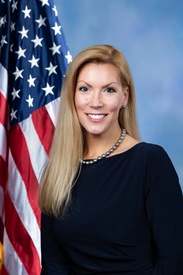



Legislative Progress
ReportedOrdered to be Reported (Amended) by Voice Vote.
Committee Consideration and Mark-up Session Held
Mr. Sessions (for himself, Mr. Pocan, Ms. Norton, Mr. Hudson, …
Referred to the House Committee on the Judiciary.
Introduced in House
Stakeholder Effects
cui bono?How this legislation distributes effects. Mention counts reflect frequency, not effect magnitude.
Department of Defense health program offices, Department of Justice grant offices, HHS Medicaid offices
Bill Structure & Actor Mappings
Who is "The Secretary" in each section?
- "dod"
- → Department of Defense
- "doj"
- → Department of Justice
- "hhs"
- → Department of Health and Human Services
We use a combination of our own taxonomy and classification in addition to large language models to assess meaning and potential beneficiaries. High confidence means strong textual evidence. Always verify with the original bill text.
Learn more about our methodology