Websites and Software Applications Accessibility Act of 2025
Summary
What This Bill Does
The Websites and Software Applications Accessibility Act defines accessible web content and applications as perceivable, operable, understandable, and robust enough for people with disabilities to access the same information, interactions, transactions, communications, services, privacy, independence, and ease of use as people without disabilities. Covered entities include employment entities, public entities, public accommodations, and testing entities; commercial providers include entities that design, develop, construct, alter, modify, or add covered web content or applications for covered use. Section 4 requires covered entities to ensure covered web content and applications are accessible and to communicate with applicants, employees, participants, customers, and the public with disabilities as effectively as with others. Commercial providers may not provide inaccessible covered web content or applications, subject to undue-burden and fundamental-alteration defenses. DOJ and EEOC must issue and update accessibility regulations, review complaints and enforcement actions, and report to congressional committees. DOJ may investigate complaints by individuals with disabilities, classes, representatives, or covered entities and conduct compliance reviews. The bill creates technical assistance through grants, contracts, or cooperative agreements coordinated with EEOC, Education, the Access Board, and other agencies, supports small-entity grants for auditing, remediation, procurement, and replacement of inaccessible content or applications, preserves stronger disability-rights laws, authorizes $35.15 million annually for fiscal 2026 through 2035, and makes most provisions effective six months after enactment with section 4 duties after 12 months.
Who Benefits and How
Individuals with disabilities benefit because covered websites and applications must provide equal access, communication, privacy, independence, and ease of use. Blind users and low-vision users benefit from accessibility rules for web content, applications, kiosks, software, videos, and electronic documents. Job applicants with disabilities benefit because employment-related digital tools are covered. Small entities benefit from grants that can fund audits, testing, remediation, procurement, or replacement of inaccessible web content and applications. Technical assistance providers benefit from competitive DOJ awards to build training and resources.
Who Bears the Burden and How
Covered employers must make employment-related web content and applications accessible unless an undue-burden or fundamental-alteration defense applies. Public accommodations must make digital goods, services, facilities, privileges, and accommodations accessible. Commercial web providers must avoid designing or providing inaccessible covered content or applications. DOJ disability rights staff and EEOC staff must issue regulations, investigate complaints, conduct reviews, award technical assistance, and report to Congress. Software developers must build accessibility into covered applications, web content, and related information technology.
Key Provisions
- Requires covered entities to make web content and applications accessible for covered employment, public, accommodation, and testing uses.
- Prohibits commercial providers from designing or supplying inaccessible covered web content or applications.
- Directs DOJ and EEOC regulations, complaint review, enforcement review, congressional reports, and triennial updates.
- Creates DOJ investigations, compliance reviews, administrative enforcement, and private rights of action.
- Funds technical assistance and small-entity accessibility grants and authorizes $35.15 million annually through fiscal 2035.
- Preserves stronger disability-rights laws and delays section 4 compliance duties for 12 months after enactment.
Evidence Chain:
This summary is generated from the full bill text using AI analysis. Expand "Detailed Analysis" below for identified beneficiaries/burden bearers with clause-level evidence links.
At a Glance
What This Bill Does
Requires covered employers, public entities, public accommodations, testing entities, and commercial providers to make web content and software applications accessible to people with disabilities, with DOJ and EEOC regulations, complaint investigations, private rights of action, advisory review, technical assistance, small-entity grants, and $35.15 million annually through fiscal 2035.
Key Policy Areas
Disability Rights, Technology, Civil Rights, Employment
Primary Purpose
Requires covered employers, public entities, public accommodations, testing entities, and commercial providers to make web content and software applications accessible to people with disabilities, with DOJ and EEOC regulations, complaint investigations, private rights of action, advisory review, technical assistance, small-entity grants, and $35.15 million annually through fiscal 2035.
Policy Domains
Resolution provisions
Identified Gains
- Individuals with disabilities
- Blind users
- Job applicants with disabilities
- Small entities
- Technical assistance providers
- Low-vision users
Identified Costs
- Covered employers
- Public accommodations
- Commercial web providers
- DOJ disability rights staff
- EEOC staff
- Software developers
Sponsors
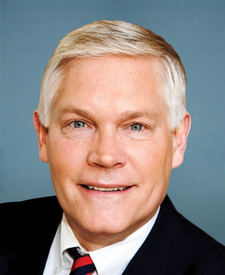
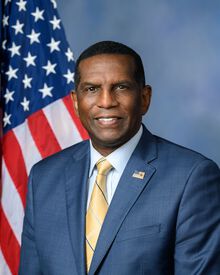
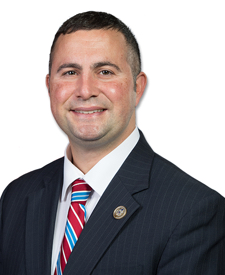


Legislative Progress
In CommitteeMr. Sessions (for himself and Mr. Hoyer) introduced the following …
Referred to the Committee on Education and Workforce, and in …
Introduced in House
Stakeholder Effects
cui bono?How this legislation distributes effects. Mention counts reflect frequency, not effect magnitude.
Blind users, Individuals with disabilities, Public accommodations
Positive-direction: Blind users, Individuals with disabilities
Negative-direction: Public accommodations
Covered employers, Job applicants with disabilities
Positive-direction: Job applicants with disabilities
Negative-direction: Covered employers
Bill Structure & Actor Mappings
Who is "The Secretary" in each section?
We use a combination of our own taxonomy and classification in addition to large language models to assess meaning and potential beneficiaries. High confidence means strong textual evidence. Always verify with the original bill text.
Learn more about our methodology